Understanding the Properties of Thin Wall Silicone Tubing
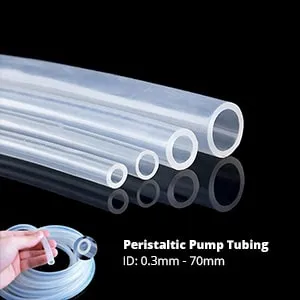
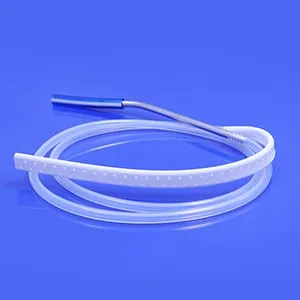
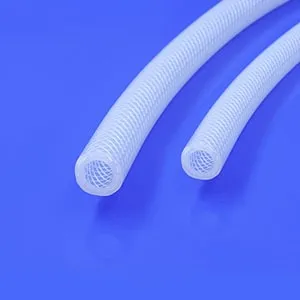
Thin wall silicone tubing is widely used in medical, pharmaceutical, laboratory, and industrial applications where flexibility, material stability, and precise fluid control are important. Its unique thin-wall design allows manufacturers to develop lightweight and flexible tubing solutions while maintaining the reliable performance of silicone materials. From medical devices and pharmaceutical equipment to laboratory systems, electronics, and industrial applications, thin wall silicone tubing provides unique advantages that traditional tubing materials often cannot achieve.
With the increasing use of compact medical devices, laboratory equipment, and precision fluid systems, thin wall silicone tubing has become an important choice for applications that require flexibility, reliability, and efficient space utilization. Selecting the right tubing requires careful consideration of factors such as material properties, wall thickness, operating conditions, and application requirements. This article discusses the performance characteristics, manufacturing process, and typical applications of thin wall silicone tubing to provide practical guidance for engineers and purchasing teams.
What Is Thin Wall Silicone Tubing?
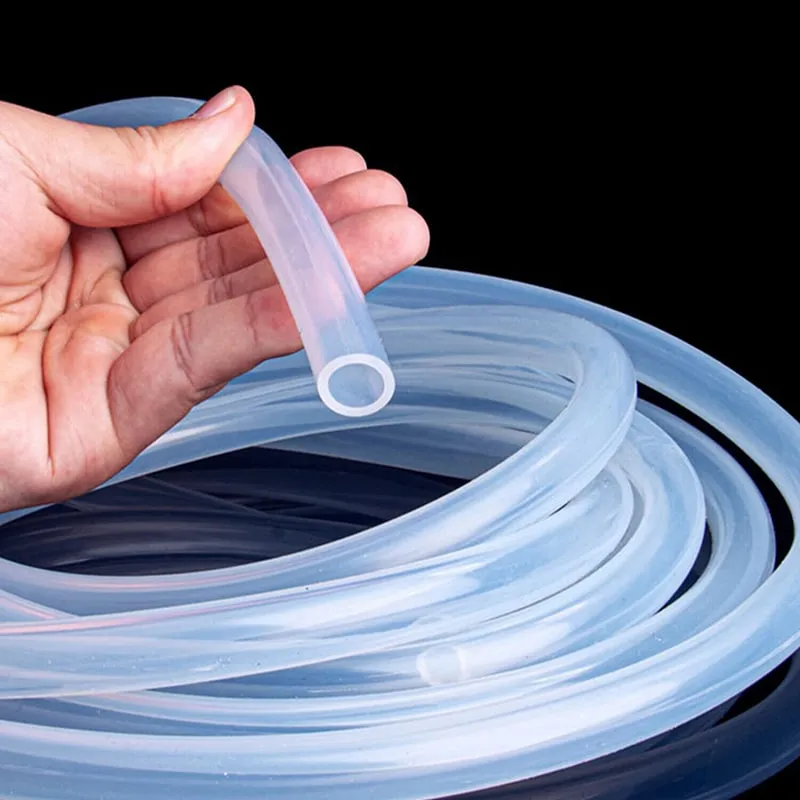
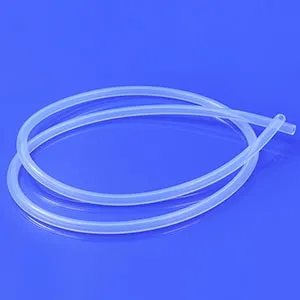
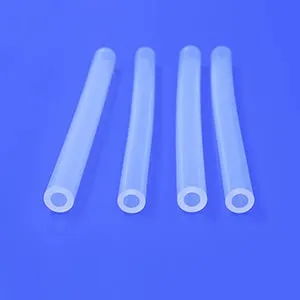
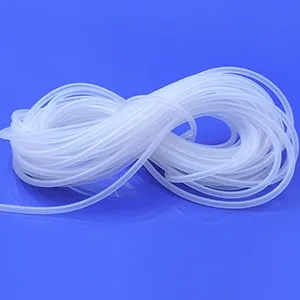
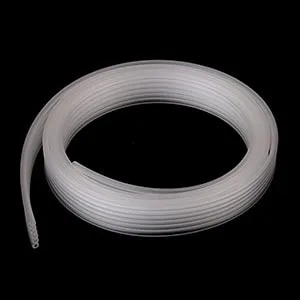
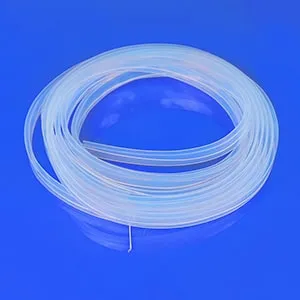
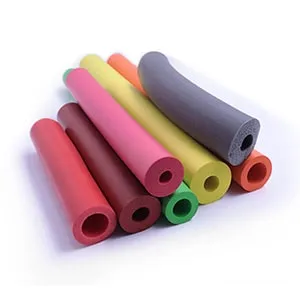
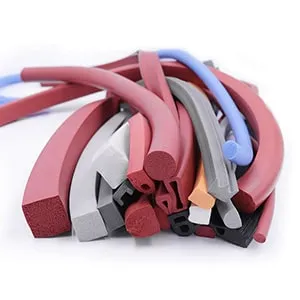
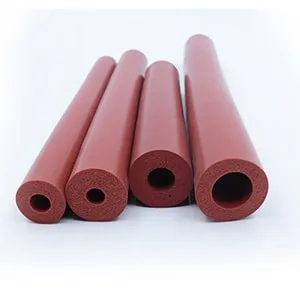
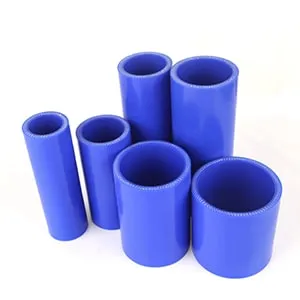
Thin wall silicone tubing refers to silicone tubing manufactured with a relatively small wall thickness compared with its overall diameter. Unlike standard silicone tubes designed for higher pressure resistance or heavy-duty applications, thin wall silicone tubing focuses on flexibility, lightweight construction, and space-saving performance.
Silicone itself is a synthetic elastomer made primarily from silicon, oxygen, carbon, and hydrogen. Due to its unique molecular structure, silicone combines the elasticity of rubber with excellent resistance to extreme temperatures, aging, and environmental factors. When produced with a thin wall design, these inherent silicone properties are maintained while providing additional benefits such as improved flexibility and reduced material consumption.
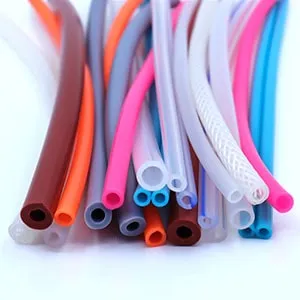
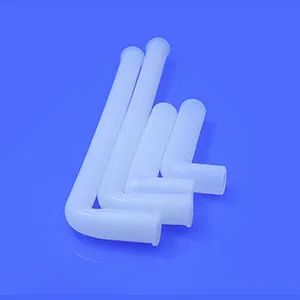
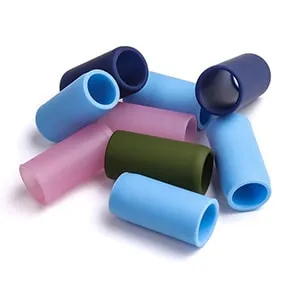
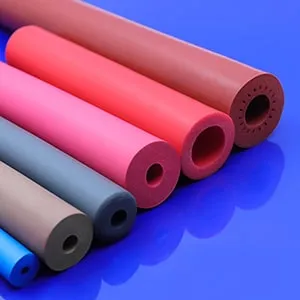
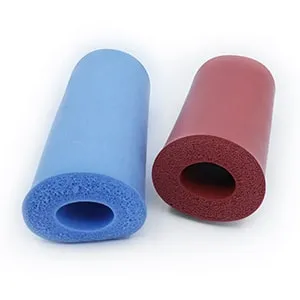
Thin wall silicone tubing is available in a wide range of inner diameters, outer diameters, and wall thicknesses. Manufacturers can also customize the tubing according to specific requirements, including hardness, transparency, color, reinforcement, sterilization compatibility, and surface characteristics.
Properties of Thin Wall Silicone Tubes
Excellent Flexibility and Elasticity
A key advantage of thin wall silicone tubing is its ability to maintain flexibility while providing reliable performance in compact and complex systems. The reduced wall thickness allows the tubing to bend easily, making it ideal for applications where space limitations or frequent movement are involved.
Compared with thicker silicone tubing, thin wall versions require less force to bend and can adapt more easily to complex installation environments. This flexibility helps reduce stress on connected components and minimizes the risk of damage caused by repeated bending or vibration.
In medical equipment, for example, flexible tubing is often required to connect sensors, pumps, catheters, and fluid delivery systems. A tube that is too rigid may create unnecessary mechanical stress, while thin wall silicone tubing can provide smoother movement and better patient comfort.
The elastic recovery of silicone is another important advantage. After being stretched, compressed, or bent, silicone tubing can return close to its original shape. This property ensures consistent performance during long-term use, especially in applications involving repeated cycles.
Although thin wall silicone tubing provides excellent flexibility, it may not be suitable for applications requiring high pressure resistance or heavy mechanical loads. In these situations, engineers may need to consider thicker wall designs or reinforced tubing structures.
Superior Temperature Resistance
Thin wall silicone tubing maintains the excellent temperature resistance that makes silicone different from many other elastomer materials. High-quality silicone tubing can typically operate across a wide temperature range, often from approximately -60°C to 200°C, depending on the silicone formulation and application requirements.
This temperature stability allows thin wall silicone tubing to perform reliably in environments with extreme heat or cold. Unlike materials such as PVC or certain thermoplastic elastomers, silicone does not easily become brittle at low temperatures or lose mechanical properties under high temperatures.
Medical thin wall silicone tubing is commonly designed for repeated steam sterilization cycles at 121°C or 134°C. However, tubing performance depends on silicone formulation, curing method, and dimensional stability after repeated exposure.
In industrial applications, temperature resistance allows silicone tubing to be used in heating systems, laboratory equipment, food processing machinery, and other environments where temperature fluctuations are common.
Excellent Biocompatibility for Medical Applications
One of the major reasons thin wall silicone tubing is widely used in healthcare is its excellent biocompatibility. Medical-grade silicone is chemically stable, non-toxic, and resistant to biological reactions when properly manufactured according to regulatory requirements.
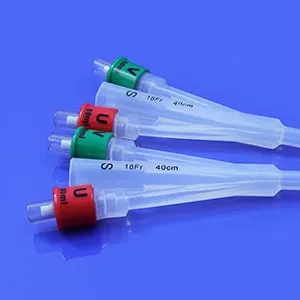
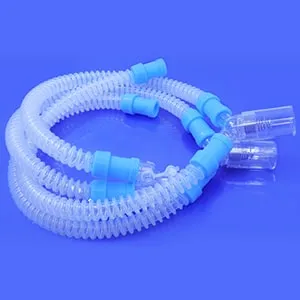
This makes thin wall silicone tubing suitable for applications such as medical pumps, drainage systems, respiratory equipment, fluid management devices, and other healthcare products.
Medical silicone tubing must meet strict requirements regarding material purity, cleanliness, and performance consistency. Professional manufacturers typically use medical-grade silicone materials and conduct inspections to ensure the tubing meets standards such as ISO 10993 biological evaluation requirements and relevant medical device regulations.
The smooth inner surface of silicone tubing also helps reduce fluid resistance and prevents unwanted accumulation of contaminants. This characteristic is particularly valuable in applications requiring high hygiene standards.
High Chemical and Environmental Resistance
Another key property of thin wall silicone tubing is its resistance to many chemicals, moisture, and environmental conditions. Silicone is naturally stable when exposed to many fluids, gases, and cleaning agents.
This chemical resistance makes thin wall silicone tubing suitable for laboratory equipment, pharmaceutical systems, and industrial fluid transfer applications. It can handle various liquids without significant degradation, swelling, or loss of flexibility.
Silicone also demonstrates excellent resistance to ozone, ultraviolet radiation, and weathering. Unlike some rubber materials that deteriorate when exposed to sunlight or oxygen over time, silicone maintains its performance for extended periods.
This long-term stability reduces maintenance requirements and improves the reliability of equipment using silicone tubing.
Transparency and Visual Monitoring Capability
Many thin wall silicone tubes are manufactured with high transparency, which provides another important advantage. Transparent tubing allows operators to visually monitor fluid flow, detect air bubbles, and identify potential blockages without interrupting the system.
In medical and laboratory applications, this visibility can improve safety and efficiency. Healthcare professionals can quickly observe whether fluids are flowing properly, while laboratory technicians can monitor experimental processes more conveniently.
The clarity of silicone tubing depends on raw material quality, manufacturing processes, and additives. High-quality silicone tubing can achieve excellent optical transparency while maintaining mechanical performance.
Lightweight Design and Space Efficiency
The thin wall structure naturally reduces the weight and material usage of silicone tubing. This is especially beneficial in applications where minimizing overall equipment size and weight is important.
Portable medical devices, wearable technologies, and compact electronic systems increasingly require lightweight components. Thin wall silicone tubing helps engineers achieve smaller and more efficient designs without sacrificing reliability.
The reduced material thickness also allows manufacturers to produce more cost-effective solutions for large-volume applications. However, proper balance between wall thickness and mechanical performance is essential. Extremely thin walls may affect pressure resistance, durability, and handling characteristics, so professional engineering evaluation is necessary.
Manufacturing Precision of Thin Wall Silicone Tubing
Producing high-quality thin wall silicone tubing requires advanced manufacturing technology and strict process control. Because the wall thickness is smaller, even minor variations during production can affect product performance.
During production, maintaining uniform wall thickness is one of the biggest challenges for thin wall silicone tubing. Even small variations can affect flow accuracy in pump systems and sealing performance in medical devices.
At JESilicone, thin wall silicone tubing is manufactured using platinum-cured medical silicone under ISO 13485 controlled conditions, with dimensional tolerances controlled according to customer drawings. During extrusion, liquid silicone rubber or high-consistency silicone rubber is processed through specialized equipment to create continuous tubing profiles with consistent quality and reliable performance.
After extrusion, silicone tubing usually undergoes curing processes to achieve the desired mechanical properties. Additional treatments, such as cleaning, cutting, surface modification, or sterilization preparation, may also be applied depending on the final application.
Quality inspection is a critical part of production. Manufacturers typically evaluate dimensions, tensile strength, elongation, hardness, appearance, cleanliness, and pressure performance to ensure each batch meets customer requirements.
For thin wall silicone tubing, production consistency is especially important because small dimensional changes can affect assembly performance and end-product reliability. Many customers request inspection reports, dimensional records, and batch traceability before approving a supplier.
For medical applications, manufacturing environments must also meet strict hygiene standards to prevent contamination and ensure product safety.
Applications of Thin Wall Silicone Tubing
Thin wall silicone tubing is used across a wide range of industries because of its unique combination of flexibility, durability, and chemical stability.
In the medical field, it is commonly used in fluid management systems, laboratory equipment, surgical devices, and customized medical components. For example, in peristaltic pump systems, thin wall silicone tubing must maintain consistent inner diameter and elasticity to ensure accurate fluid delivery. Variations in tubing dimensions may influence pump performance and flow stability. Its softness and biocompatibility make it suitable for applications where patient safety and comfort are important.
In pharmaceutical and biotechnology industries, thin wall silicone tubing is often used for transferring sensitive fluids because silicone does not easily react with many substances. Its smooth surface and sterilization compatibility make it suitable for controlled environments.
Laboratory applications also benefit from the precision and transparency of silicone tubing. Researchers use it in pumps, analytical instruments, and experimental systems where reliable fluid control is required.
Beyond healthcare, thin wall silicone tubing is used in electronics, food processing, automotive systems, and industrial equipment. Its ability to withstand challenging environments makes it a versatile solution for many engineering challenges.
How to Choose the Right Thin Wall Silicone Tubing
Selecting the right thin wall silicone tubing requires more than choosing the correct inner diameter and outer diameter. Engineers and purchasing teams usually need to evaluate several technical factors, including dimensional accuracy, material grade, wall thickness tolerance, sterilization requirements, and long-term performance.
Before placing an order, customers should pay attention to several key specifications. Inner diameter and outer diameter tolerance directly affect fluid flow accuracy and connection compatibility. Wall thickness consistency is also important, especially for pump systems where unstable dimensions may influence flow control and sealing performance.
Material selection is another critical factor. For medical applications, buyers should confirm whether the silicone tubing meets requirements such as biocompatibility testing, sterilization compatibility, and applicable medical standards. Different silicone formulations may also affect transparency, hardness, elasticity, and chemical resistance.
Working with an experienced silicone tubing manufacturer can help ensure the final product meets both technical and regulatory requirements. Many manufacturers provide customized solutions, including special sizes, colors, hardness levels, and packaging options.
The Future Development of Thin Wall Silicone Tubing
The development of smaller medical devices, portable diagnostic equipment, and precision fluid management systems is creating new requirements for thin wall silicone tubing. Future improvements will focus not only on material performance but also on tighter dimensional control, cleaner manufacturing processes, and application-specific customization.
For silicone tubing manufacturers, maintaining consistent wall thickness, improving extrusion accuracy, and developing specialized silicone formulations will be key factors in meeting the needs of next-generation products. As device designs become more compact and complex, thin wall silicone tubing will continue to be optimized for better reliability, easier integration, and improved performance in demanding applications.
Conclusion
Thin wall silicone tubing provides a practical solution for applications that require flexibility, precise dimensions, and stable material performance. Its thin-wall structure allows engineers to achieve compact designs while maintaining the durability and reliability expected from silicone materials.
However, selecting suitable tubing requires careful evaluation of factors such as wall thickness, dimensional tolerance, material grade, sterilization requirements, and operating conditions. Working with an experienced silicone tubing manufacturer can help ensure the final product meets both technical specifications and application needs.
As medical devices and precision equipment continue to evolve, the demand for customized and high-performance silicone tubing solutions will continue to increase. Manufacturers with strong material knowledge and production capabilities will play an important role in helping customers develop safer and more reliable products.