Silicone Manufacturing Frequently Asked Questions
JESilicone provides custom silicone manufacturing services for OEM and ODM projects, including silicone molding, liquid silicone rubber (LSR) molding, silicone extrusion, silicone tubing, medical silicone components, and custom silicone products. Our manufacturing process can start from a 2D drawing, 3D CAD file, physical sample, or product concept. This FAQ explains the most common questions about custom silicone products, including material selection, silicone hardness, LSR injection molding, compression molding, extrusion, tooling, tolerances, certifications, MOQ, lead times, and cost.
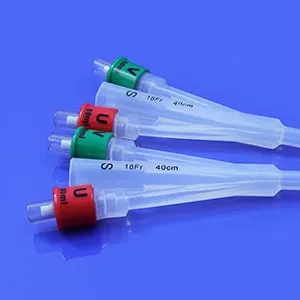
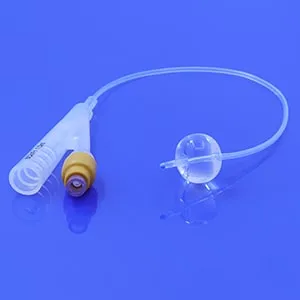
How are silicone medical catheters manufactured?
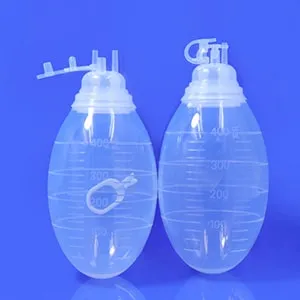
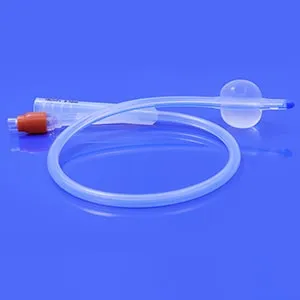
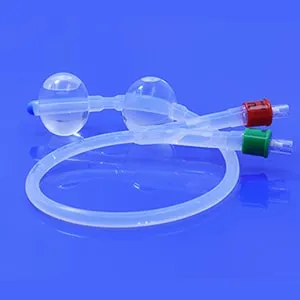
Silicone medical catheters are typically produced using precision silicone extrusion, molding, or a combination of processes depending on the catheter design. The manufacturing process may include tube extrusion, molding of specialized features, cutting, bonding, assembly, and surface treatment. Medical catheter production also requires strict control of dimensions, cleanliness, material traceability, and applicable quality and regulatory requirements.
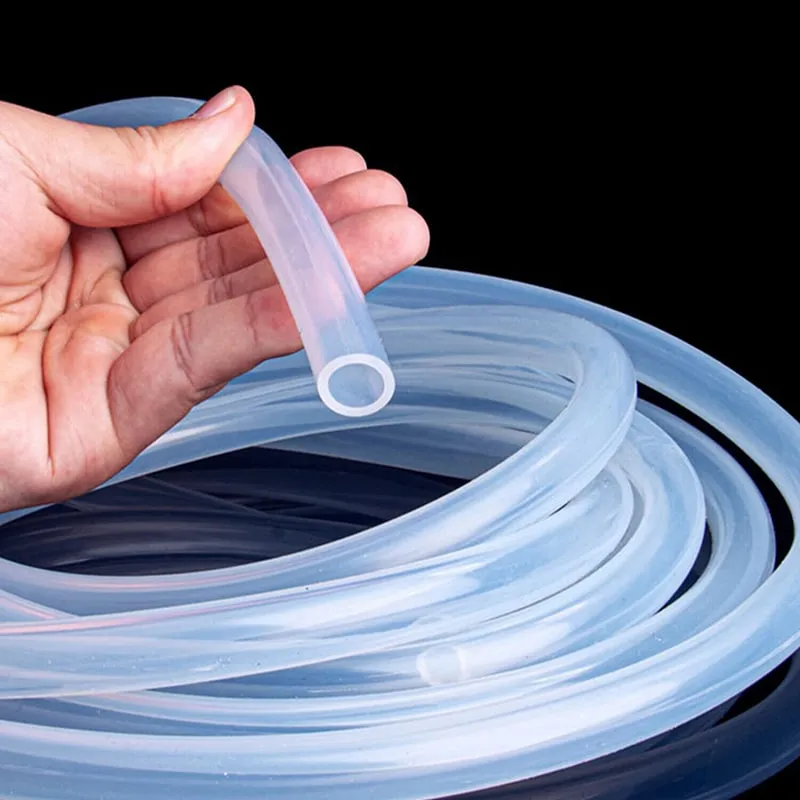
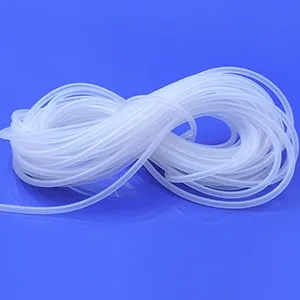
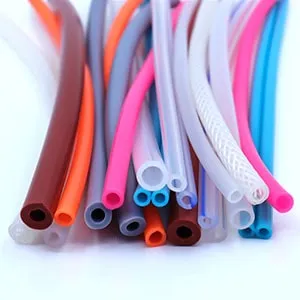
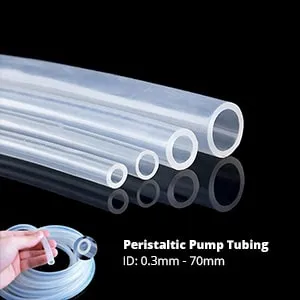
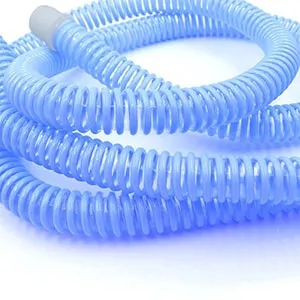
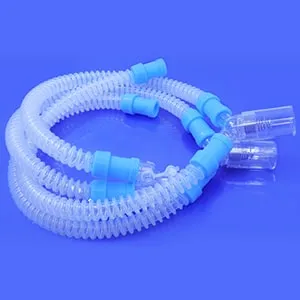
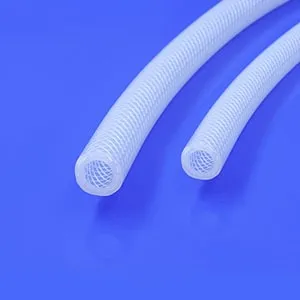
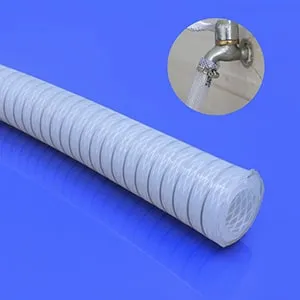
How is silicone tubing manufactured?
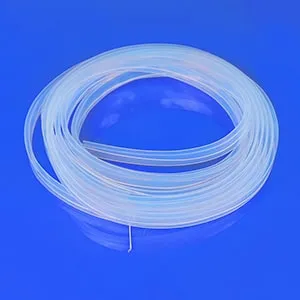
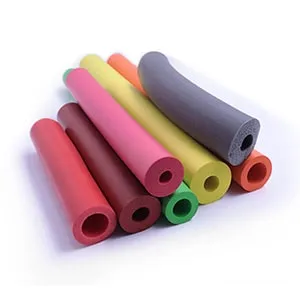
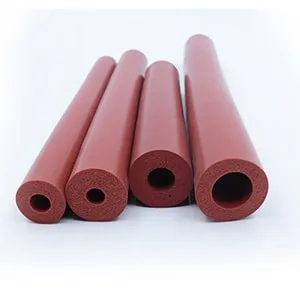
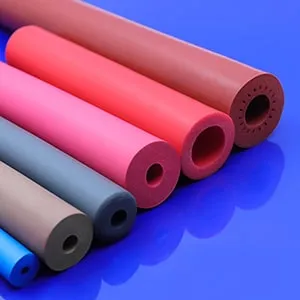
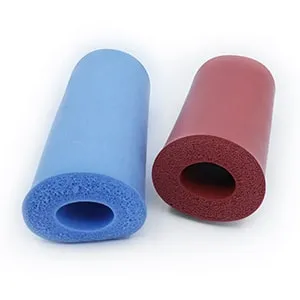
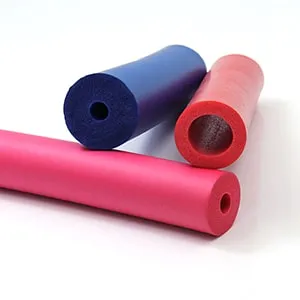
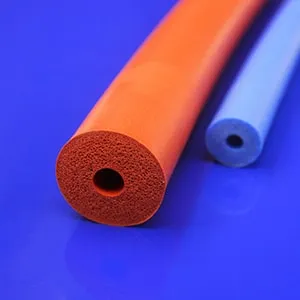
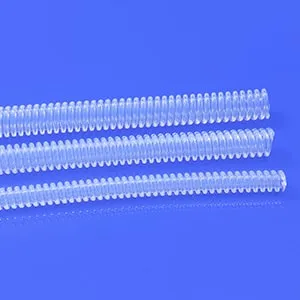
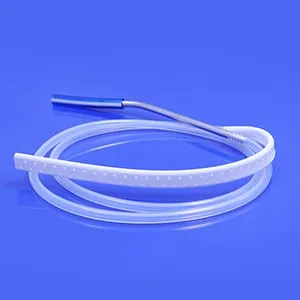
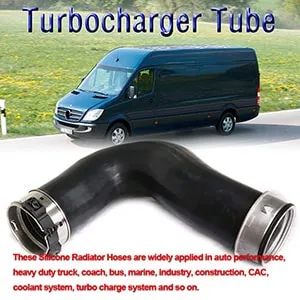
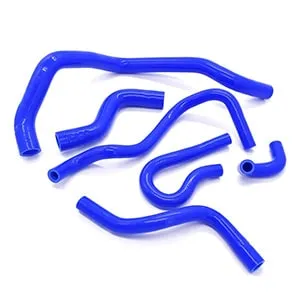
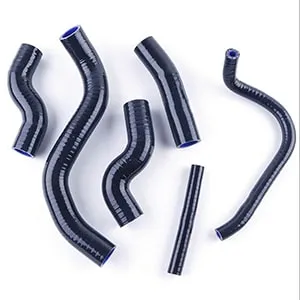
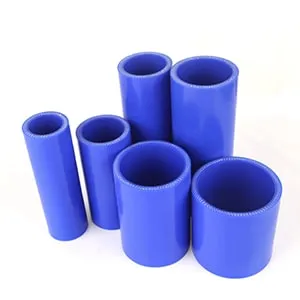
Silicone tubing is commonly manufactured through an extrusion process in which silicone material is continuously pushed through a precision die to form the required tube diameter and wall thickness. After extrusion, the tubing is cured, cooled, cut to length, and inspected. Depending on the application, additional processes such as post-curing, printing, cutting, bonding, or assembly may also be required.
What is food-grade silicone?
Food-grade silicone is silicone formulated and manufactured to meet applicable requirements for food-contact applications. It is commonly used for products such as food containers, kitchenware, baking products, seals, and tubing. The specific regulatory requirements depend on the intended market and application, so manufacturers should provide appropriate material documentation and compliance information for the target region.
What is platinum-cured silicone?
Platinum-cured silicone is silicone rubber cured using a platinum catalyst rather than a peroxide curing system. It is widely used for applications requiring high purity, low extractables, excellent stability, and good biocompatibility characteristics. Platinum-cured silicone is commonly used in medical, healthcare, food-contact, and other demanding applications where material cleanliness is important.
What certifications should medical silicone products have?
Medical silicone products may require different certifications and regulatory documentation depending on their intended use, target market, product classification, and level of patient contact. Requirements can include material documentation, biocompatibility testing, quality management systems, and regulatory compliance such as ISO 13485 or applicable regional medical-device requirements. The exact requirements should be determined based on the final application and destination market rather than assuming that one certification applies to every medical silicone product.
How do I choose a silicone manufacturer in China?
When choosing a silicone manufacturer in China, evaluate its experience with your type of product, engineering capabilities, material knowledge, tooling expertise, quality control system, certifications, production capacity, and ability to support the entire development process. It is also important to review previous projects, communication efficiency, inspection procedures, and experience with international customers. A capable manufacturer should be able to provide engineering support from design and mold development through mass production.
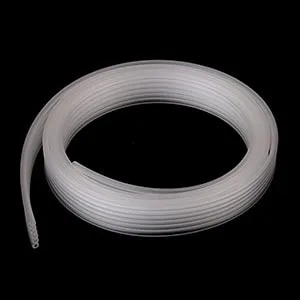
What is the difference between silicone extrusion and molding?
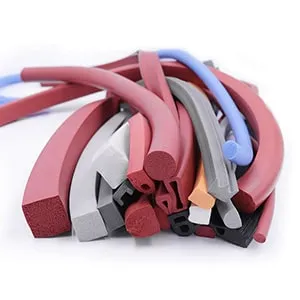
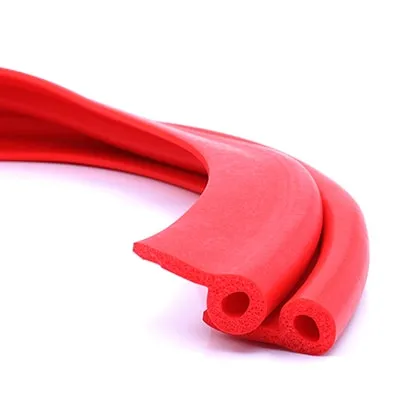
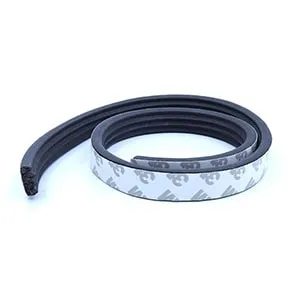
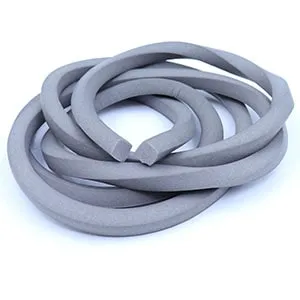
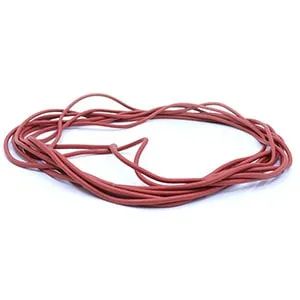
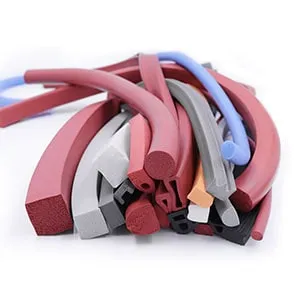
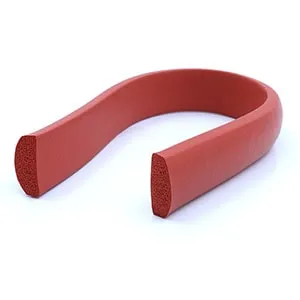
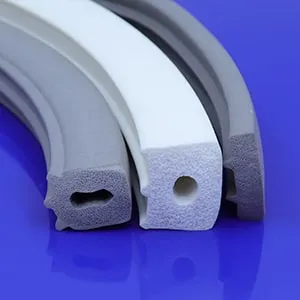
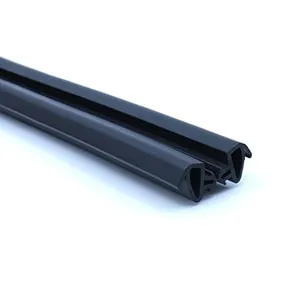
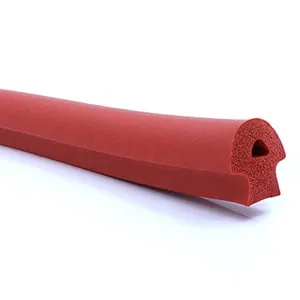
Silicone extrusion produces continuous profiles such as tubing, seals, gaskets, cords, and strips by pushing silicone through a shaped die. Silicone molding produces individual three-dimensional parts using a mold, making it suitable for products with defined shapes and complex geometries. The manufacturing process should be selected according to the product's cross-section, length, geometry, and functional requirements.
What is the difference between LSR and solid silicone rubber?
LSR, or Liquid Silicone Rubber, is a two-component liquid material that is typically injection molded, while solid silicone rubber is supplied as a high-consistency silicone compound and is commonly compression or transfer molded. LSR is well suited to automated, high-volume production and complex precision parts, while solid silicone rubber offers broad flexibility in product size, hardness, and manufacturing applications. The right material depends on product design, production volume, tolerances, and performance requirements.
What silicone hardness should I choose?
The appropriate silicone hardness depends on how the finished product will be used. Softer silicone is generally suitable for products requiring flexibility, cushioning, sealing, or skin contact, while harder silicone can provide greater structural support and resistance to deformation. Silicone hardness is commonly specified using Shore A, and the final selection should consider the product's geometry, compression requirements, operating environment, and intended function.
What information is required for a silicone manufacturing quotation?
A silicone manufacturing quotation normally requires the product drawing or 3D CAD file, dimensions, material requirements, silicone hardness, color, estimated order quantity, and any special performance or certification requirements. If available, a physical sample, application description, and expected annual volume can also help the manufacturer provide a more accurate quotation.
What information is required for a silicone manufacturing quotation?
A silicone manufacturing quotation normally requires the product drawing or 3D CAD file, dimensions, material requirements, silicone hardness, color, estimated order quantity, and any special performance or certification requirements. If available, a physical sample, application description, and expected annual volume can also help the manufacturer provide a more accurate quotation.
What information is required for a silicone manufacturing quotation?
A silicone manufacturing quotation normally requires the product drawing or 3D CAD file, dimensions, material requirements, silicone hardness, color, estimated order quantity, and any special performance or certification requirements. If available, a physical sample, application description, and expected annual volume can also help the manufacturer provide a more accurate quotation.
Can you manufacture silicone products from a 3D CAD file?
Yes, 3D CAD files are commonly used for custom silicone product development. Formats such as STEP, STP, IGES, and similar engineering files can provide the dimensional information needed for mold design and manufacturing evaluation. The manufacturer can also review the CAD model for wall thickness, draft angles, parting lines, tolerances, and other production considerations before tooling begins.
Can silicone manufacturers work from samples?
Yes, experienced silicone manufacturers can often develop products from physical samples. The sample can be measured, analyzed, and used as a reference for creating a 2D drawing or 3D CAD model before mold development. Reverse engineering is particularly useful when the original drawings or CAD files are unavailable.
How long does silicone mold development take?
Silicone mold development typically takes several weeks, depending on the product's size, geometry, cavity configuration, tooling complexity, and design revisions. Simple molds can usually be completed faster, while complex multi-cavity or high-precision molds require more engineering and testing. A well-prepared 3D CAD model can help reduce development time.
What is the MOQ for custom silicone products?
The MOQ for custom silicone products varies according to the product design, manufacturing process, tooling requirements, and production volume. Many custom silicone manufacturers can support both prototype quantities and large-scale production. The appropriate MOQ is usually determined after reviewing the product structure, material requirements, and expected annual demand.
How much does custom silicone molding cost?
The cost of custom silicone molding depends on the product design, dimensions, material, mold complexity, required tolerances, production volume, and finishing requirements. Tooling is usually a significant part of the initial investment, while the unit cost generally decreases as production volume increases. For an accurate quotation, a silicone manufacturer normally needs a 2D drawing, 3D CAD file, sample, or detailed product specifications.