
Custom liquid silicone rubber molding for precision, high-volume and demanding applications. JESilicone develops and manufactures custom LSR components for medical, automotive, consumer and industrial products.
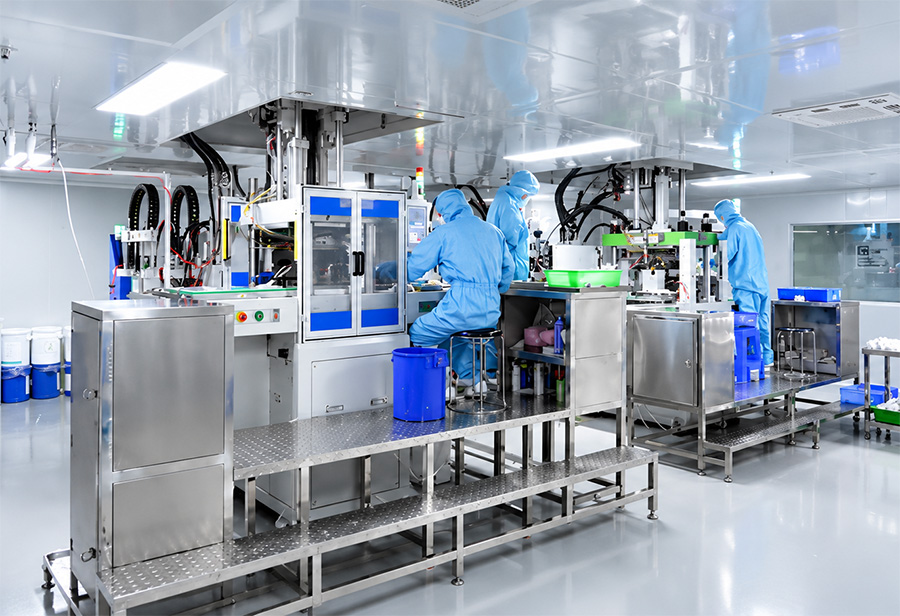
JESilicone is an LSR injection molding manufacturer specializing in custom liquid silicone rubber parts.
LSR injection molding uses a two-component liquid silicone material that is precisely metered, mixed and injected into a heated mold. The process provides repeatable part quality, efficient automation and excellent suitability for complex silicone components produced at scale.
For more than two decades, we have provided complete turnkey solutions for the global leaders in the medical, healthcare, mobility, consumer, and industrial industries. With оur fully-automated advanced LSR injection molding technologies, we offer our customers value-added custom solutions and comprehensive support from concept through high-volume production.
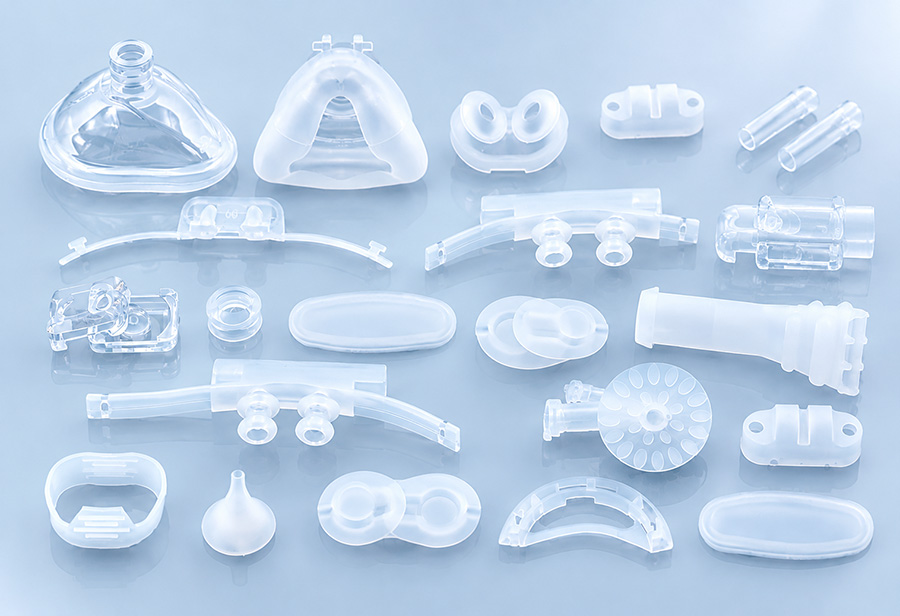
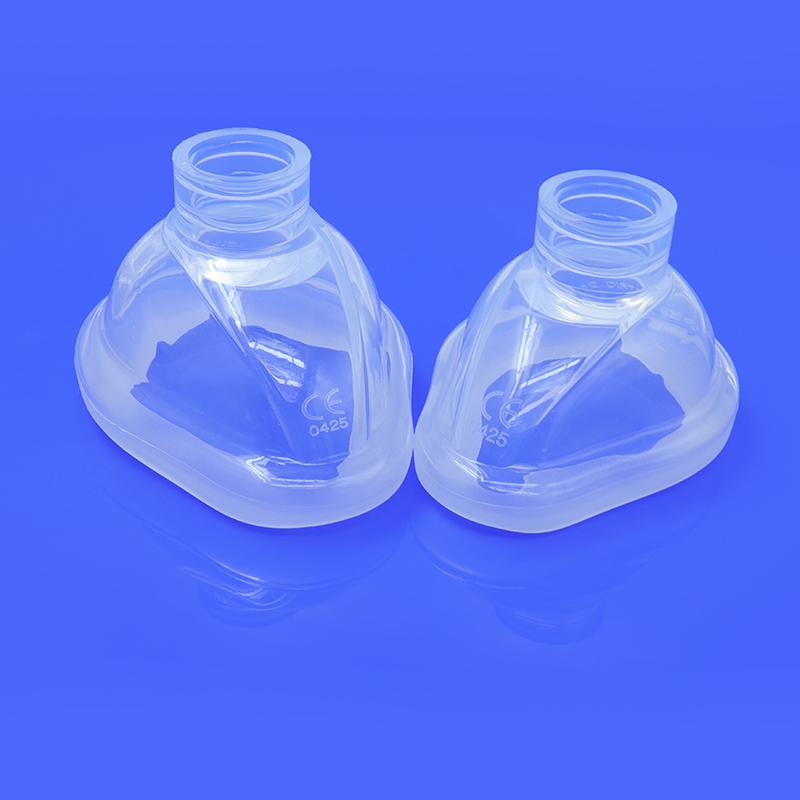
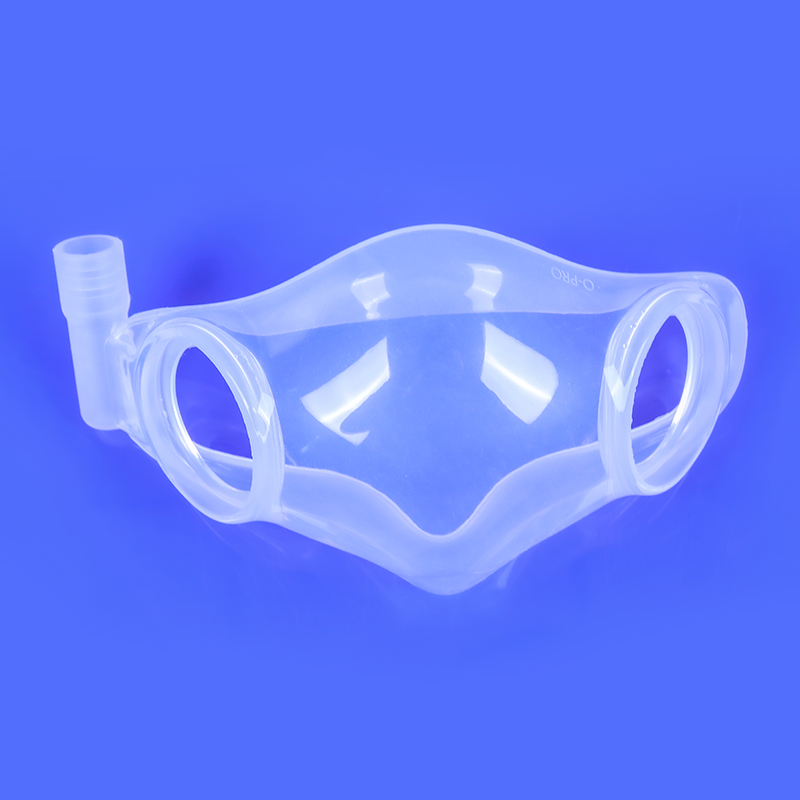
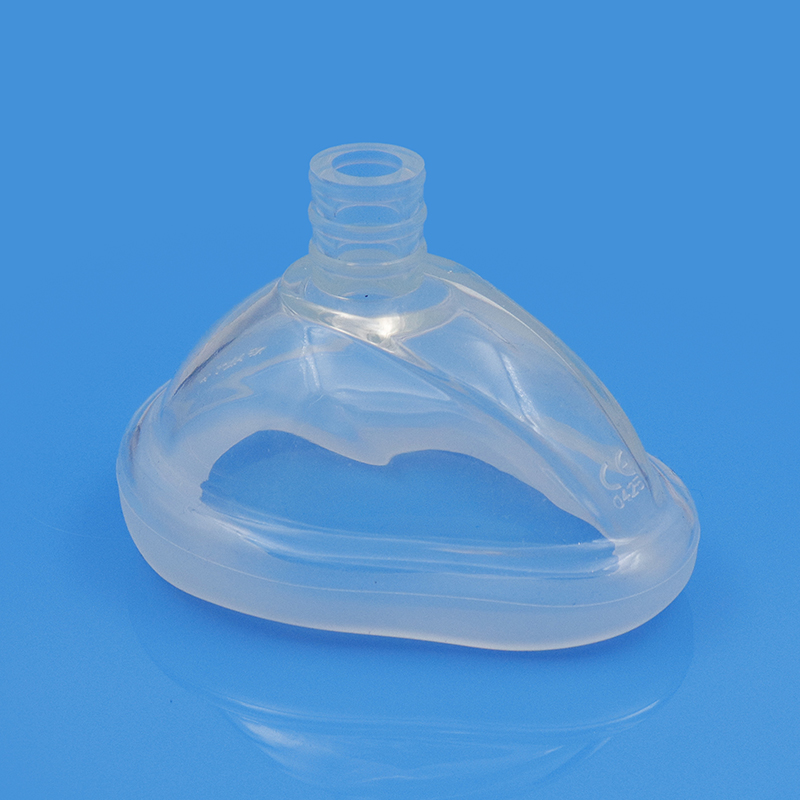
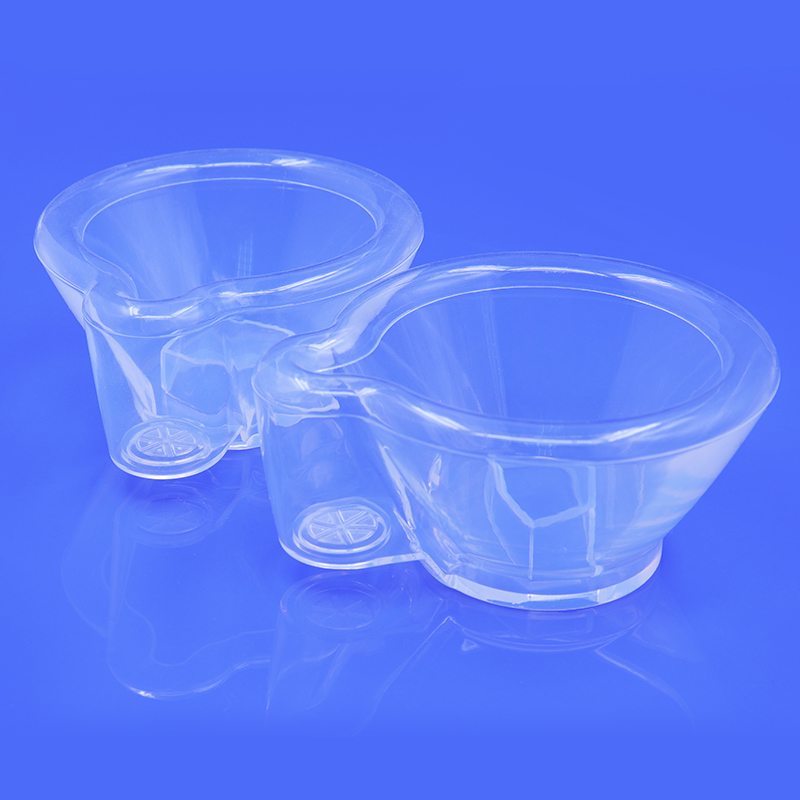
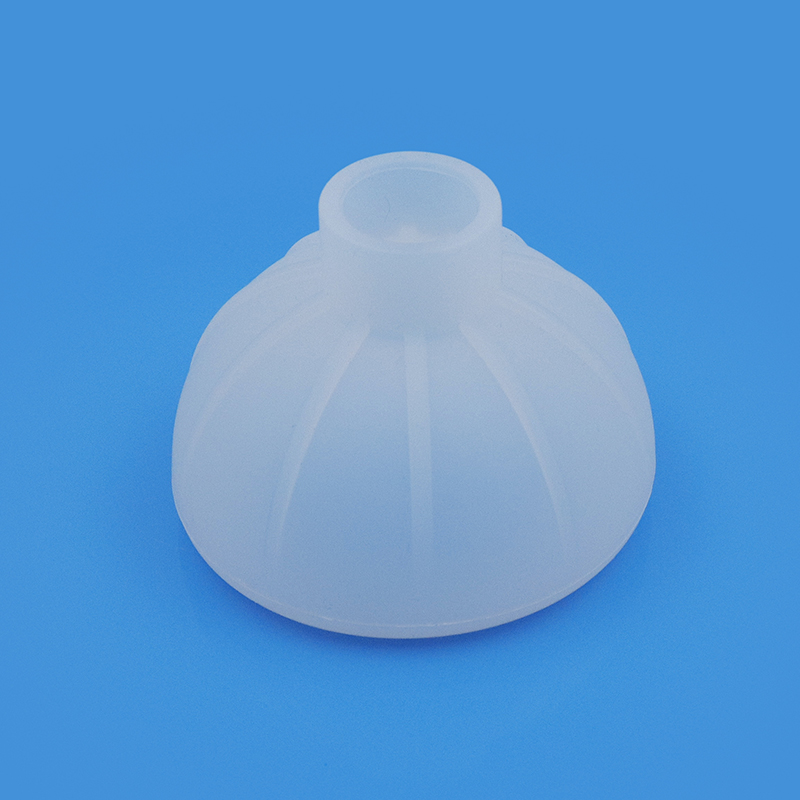
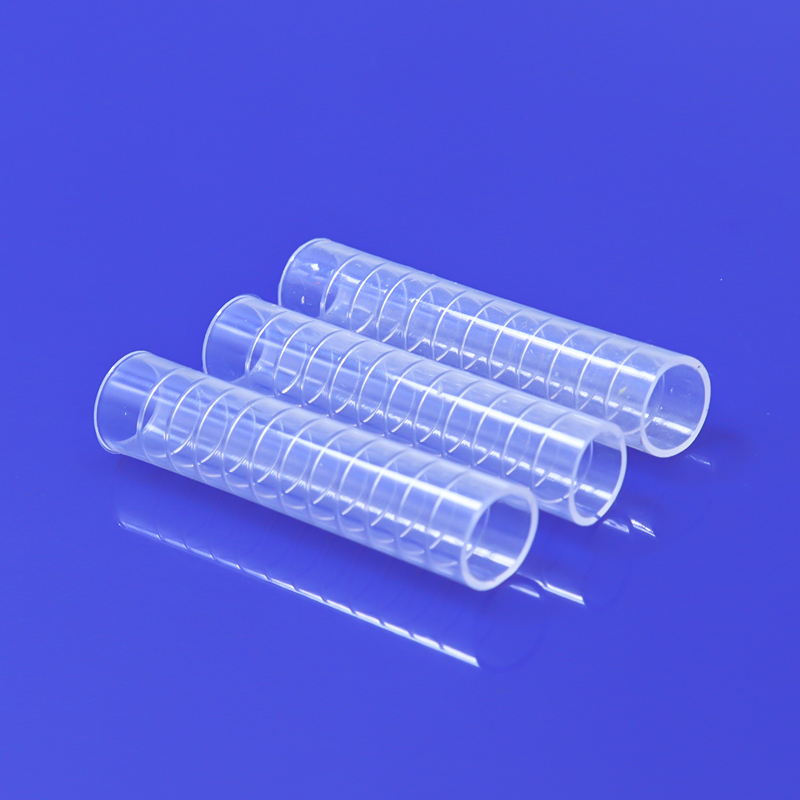
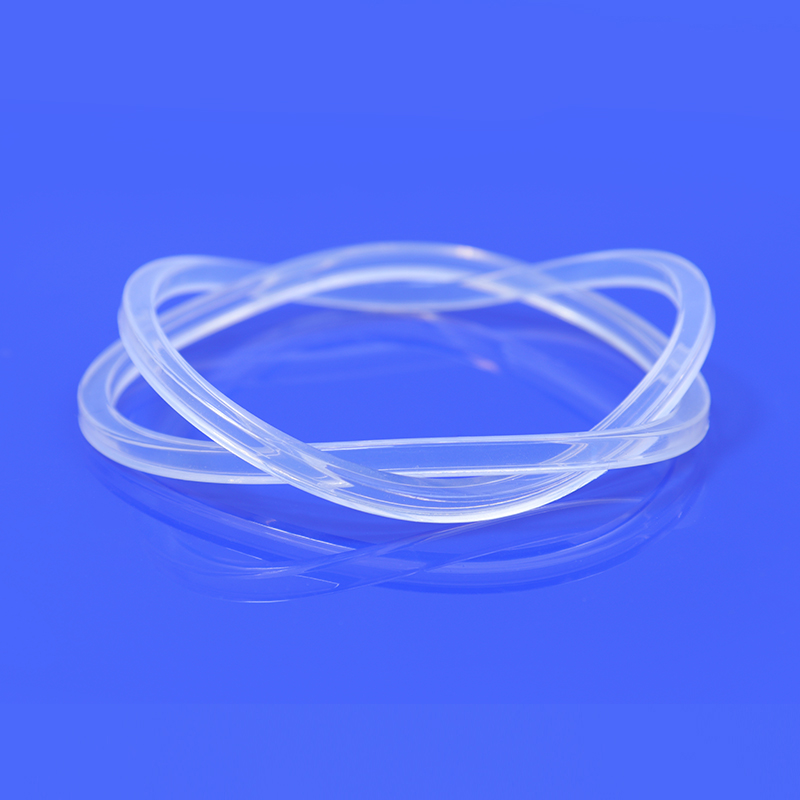
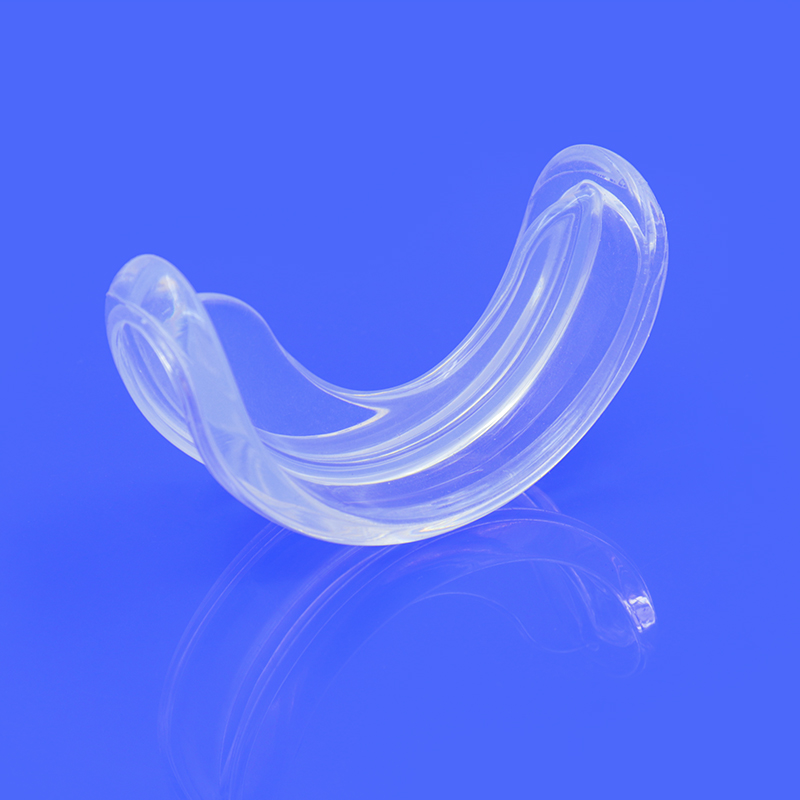
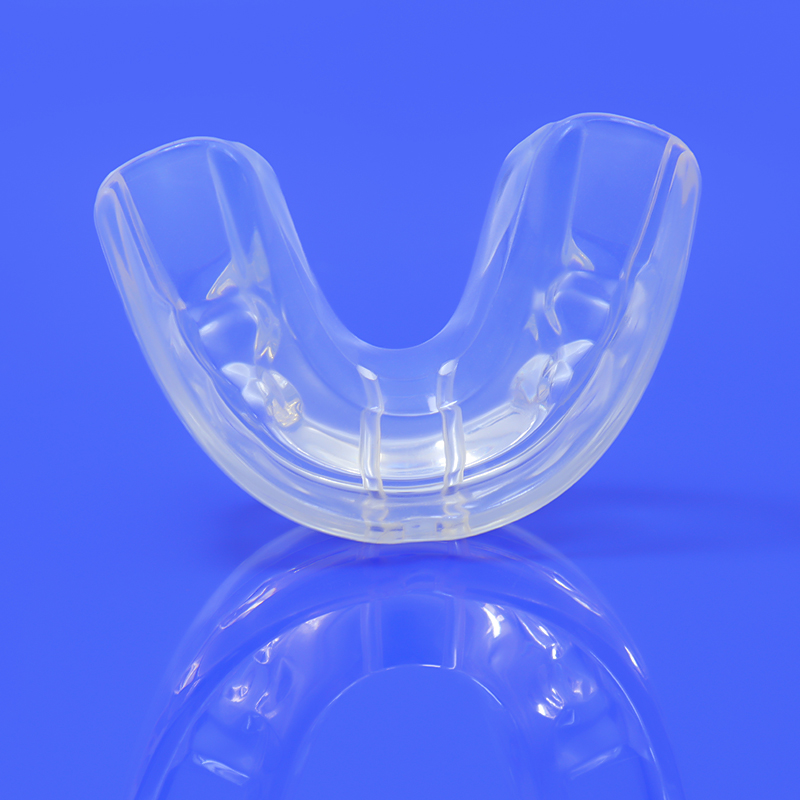
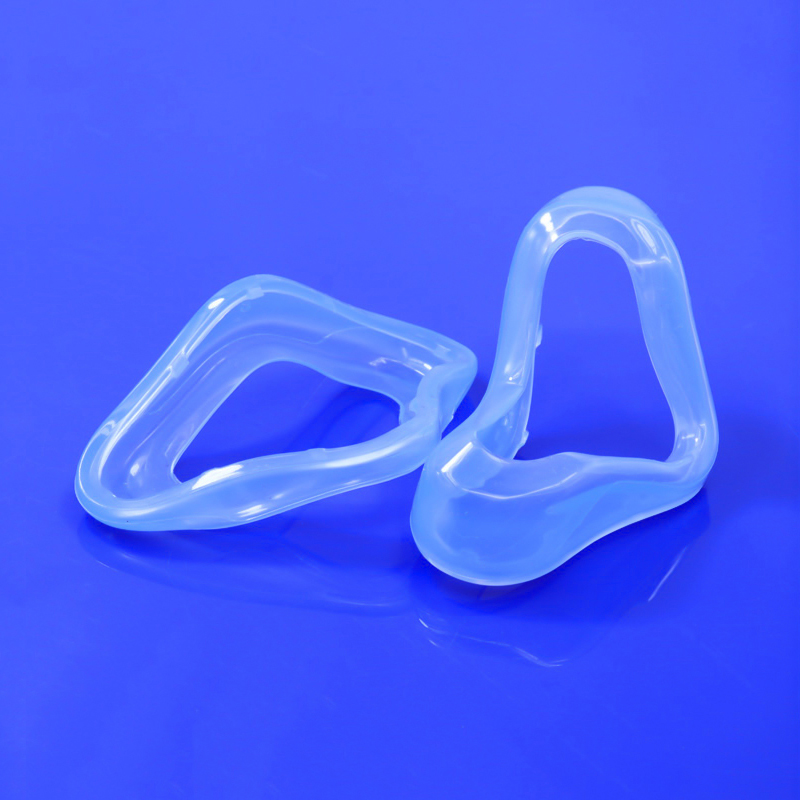
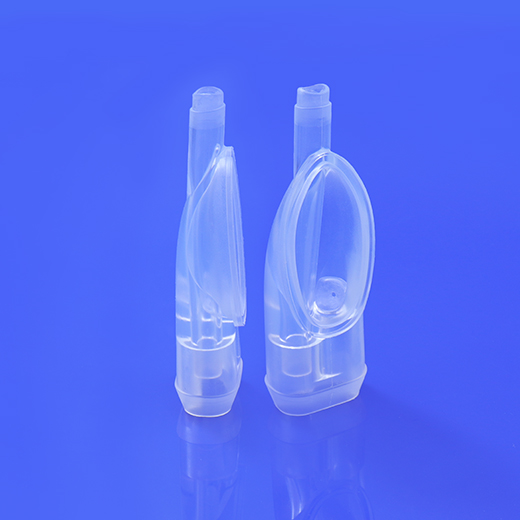
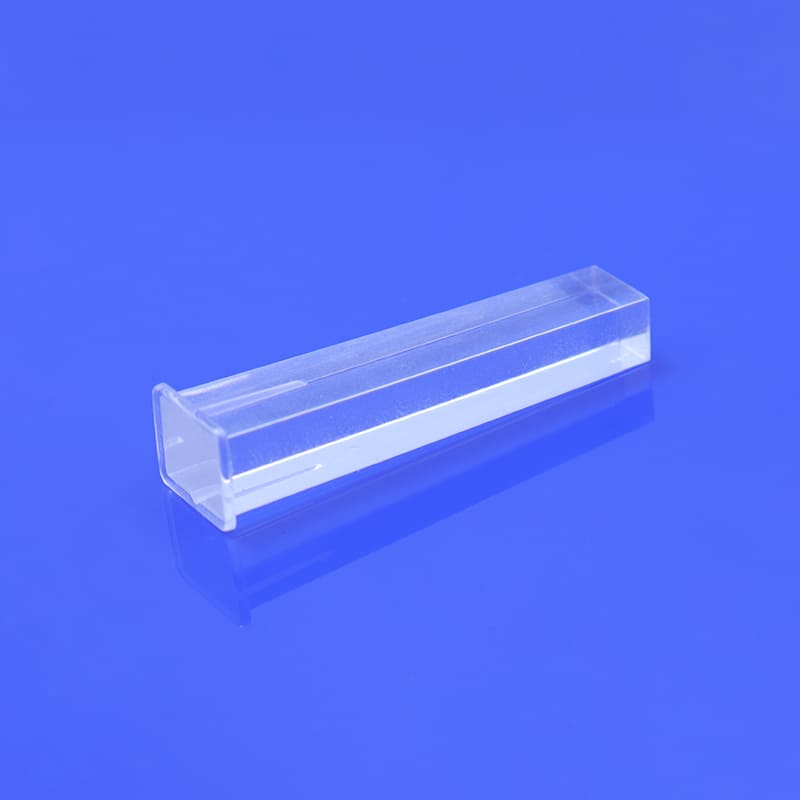
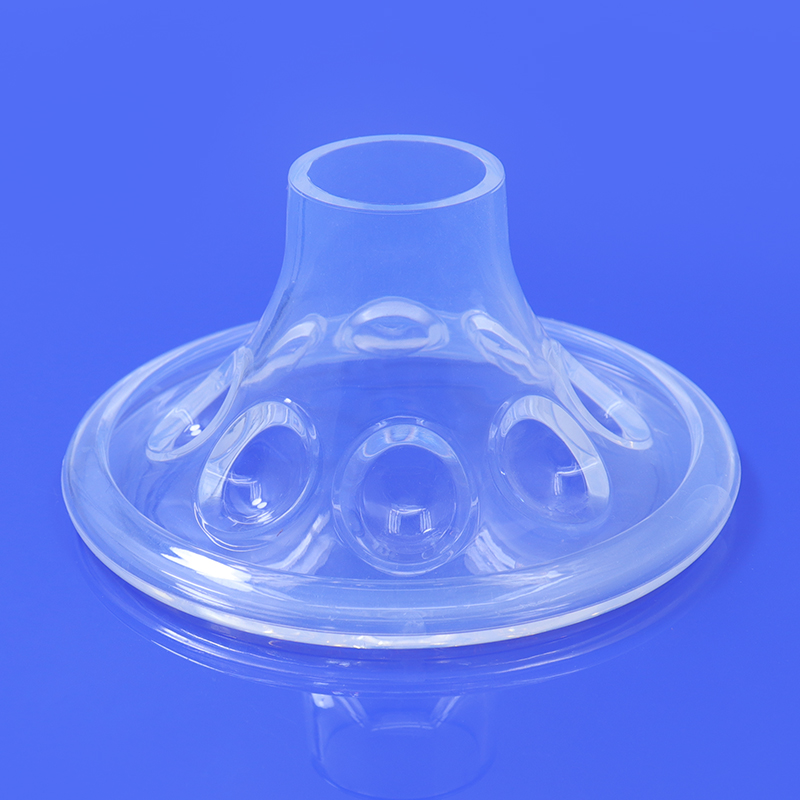
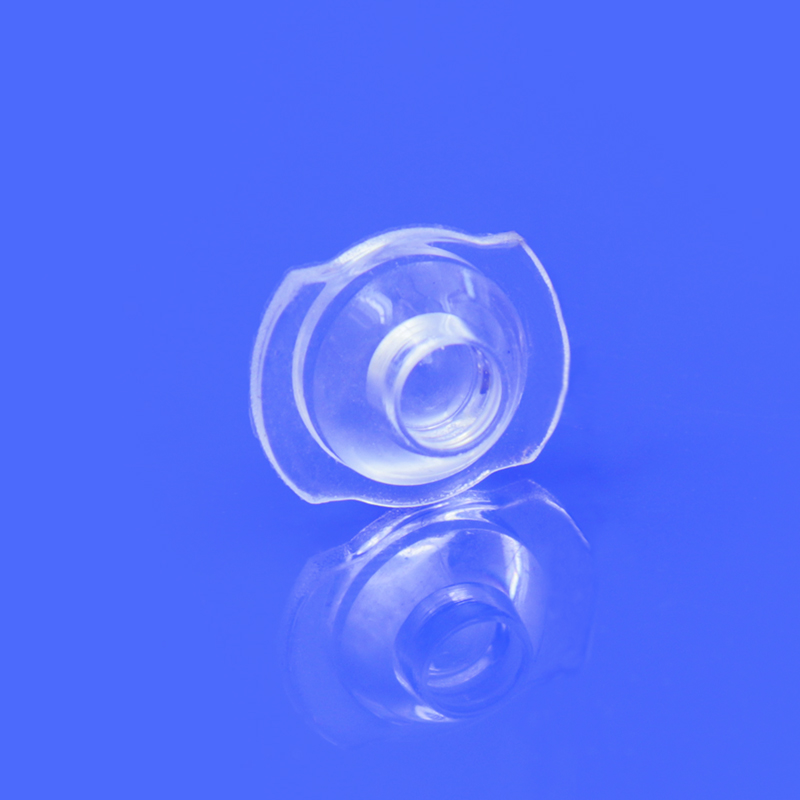
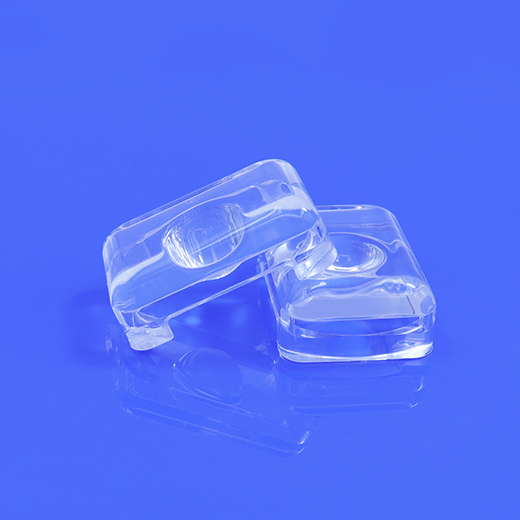
Understanding liquid silicone rubber and why it is used for precision molded silicone products.
Liquid Silicone Rubber, commonly called LSR, is a two-component, platinum-cured silicone material that is widely used for manufacturing high-precision silicone products. Unlike traditional solid silicone rubber, LSR has excellent flowability, allowing it to fill complex molds and produce parts with tight tolerances, smooth surfaces, and consistent quality. With outstanding properties such as biocompatibility, chemical resistance, temperature stability, elasticity, and durability, LSR is commonly used in medical devices, healthcare products, automotive components, electronics, baby products, and other industries that require safe and reliable silicone solutions.
LSR is preferred for high-performance silicone applications because it combines precision manufacturing capability with excellent material properties. Its low viscosity enables efficient automated injection molding, making it ideal for producing complex geometries, micro-precision components, and large-volume products with stable quality. LSR offers superior flexibility, tear resistance, aging resistance, and extreme temperature performance from low to high temperatures. For manufacturers seeking consistent production, reduced labor costs, faster cycle times, and reliable product performance, LSR provides an advanced solution for custom silicone parts and OEM/ODM silicone product manufacturing.
LSR combines material performance with highly repeatable automated manufacturing.
Liquid silicone rubber (LSR) is suitable for a wide range of applications, including automotive components, medical devices, electronic parts, bakeware, and household products. It supports single-shot and two-shot injection molding, as well as overmolding onto other components, enabling the production of everything from simple gaskets and O-rings to complex precision parts.
LSR offers excellent elasticity, low compression set, and good vibration absorption, helping molded components maintain their functional performance over time. These properties make it a suitable material for seals, flexible connectors, automotive components, and other products that require reliable long-term performance.
LSR provides excellent thermal stability and can retain its flexibility in low-temperature environments, with some grades suitable for temperatures as low as -40°C. Depending on the material formulation, LSR can also withstand elevated temperatures and meet specific flame-retardancy requirements, making it suitable for consumer products and demanding industrial applications.
LSR offers good resistance to moisture, water exposure, and many environmental conditions. Depending on the selected grade, it can also provide resistance to oils, chemicals, and repeated sterilization processes. These characteristics make it suitable for gaskets, valves, fluid-handling components, and applications requiring frequent cleaning or sterilization.
Specialized LSR grades are available for applications requiring skin contact, baby products, medical devices, and food-contact components. With appropriate material selection and supporting compliance documentation, LSR can help manufacturers meet relevant safety and regulatory requirements, including applicable FDA food-contact regulations.
LSR provides excellent electrical insulation and resistance to environmental degradation, making it suitable for electronic seals, connector components, protective covers, and electrical insulation parts. Specially formulated conductive LSR grades are also available for applications such as electrical contacts and keypad components where electrical conductivity is required.
LSR, traditional silicone, and TPE differ in flexibility, durability, and processing methods. The best choice depends on your product’s performance and application requirements.
| Property | LSR (Liquid Silicone Rubber) |
Traditional Silicone (HCR: High Consistency Rubber) |
TPE |
|---|---|---|---|
| Form | Liquid, flows easily | Solid, gum-like | Thermoplastic pellets |
| Processing | Injection molding, fast cycle | Compression or transfer molding | Injection molding |
| Curing | Thermoset (heat-activated) | Thermoset (heat and pressure) | Thermoplastic (no curing) |
| Heat Resistance | Excellent | Excellent | Moderate |
| Chemical Resistance | High | High | Moderate |
| Elastic Recovery | Very High | High | Moderate |
| Biocompatibility | Excellent | Excellent | Variable |
| Recyclability | Limited recyclability | Limited recyclability | Recyclable |
From initial product requirements to precision-molded liquid silicone rubber components, JESilicone supports your OEM and ODM project through every stage of development.
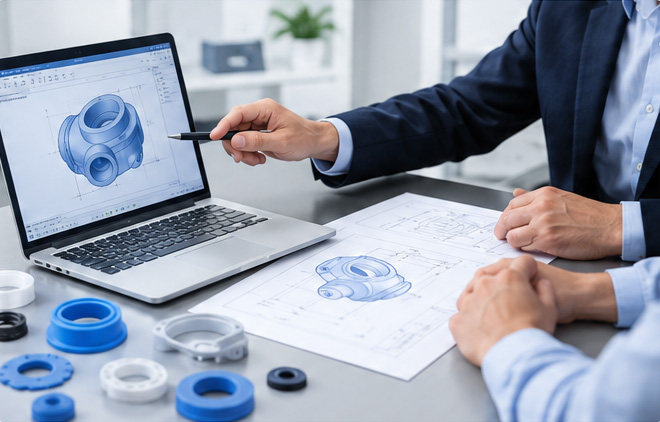
We review your product concept, application, technical requirements and target market to determine the right approach for your custom LSR manufacturing project.
Share your drawings, samples or project requirements with our engineering team.
Product design and mold engineering directly influence part quality, cycle time, tooling cost and production consistency.
Material selection can consider hardness, transparency, color, temperature resistance, chemical exposure, elasticity and application requirements.
LSR tooling can be engineered around cavity layout, gates, vents, parting lines, ejection, flash control and automated production requirements.
Dimensional requirements should be established according to the part geometry, material behavior, tooling capability and functional requirements.
Automated material metering, injection, demolding, inspection and handling can be considered for repeat-production programs.
Parting-line design, tooling precision, venting and molding parameters all influence flash control in precision LSR components.
Early DFM review can identify potential issues with wall thickness, undercuts, sealing areas, tolerances and demolding.
Custom liquid silicone rubber parts are used across industries where flexibility, durability and repeatable performance are required.
LSR pricing depends on the complete manufacturing specification rather than material cost alone.
Production quantity and timing depend on the specific product, mold, material and production requirements.
LSR production quantities can vary according to product size, mold configuration, material, automation and production requirements. Instead of using one fixed MOQ for every project, JESilicone can evaluate the project specification and recommend a suitable production plan.
Lead time normally includes engineering review, mold development, tooling, sampling, approval and production. Actual timing depends on product complexity, tooling requirements, quantity and customer approval cycles.
From prototype development to mass production, we provide custom liquid silicone rubber manufacturing solutions tailored to your product requirements.
Over 20 years of silicone manufacturing experience supporting custom product development.
Extensive tooling experience for customized silicone components and complex product designs.
Support from product design and mold development to prototyping and mass production.
Our certificates include: ISO 13485, ISO 10993, BSCI, FDA, RoHS, etc.
Our clients include PepsiCo, Pfizer, Medtronic, and other leading global brands.
Answers to common questions about liquid silicone rubber materials, tooling, production and quotations.
LSR injection molding is a manufacturing process in which two liquid silicone components are accurately metered, mixed and injected into a heated mold. The material cures inside the mold and forms the finished silicone component.
LSR is supplied as a liquid two-component system and is commonly processed through injection molding. HCR, or high-consistency rubber, is supplied as a solid silicone compound and is commonly processed using compression or transfer molding.
LSR can be used for seals, gaskets, valves, membranes, diaphragms, medical components, automotive components, consumer products, wearable components and many other custom silicone parts.
Yes. JESilicone can review 3D CAD files, 2D engineering drawings, physical samples or product concepts to determine the appropriate manufacturing process and tooling approach.
Useful quotation information includes a 2D drawing or 3D CAD model, material requirements, hardness, color, dimensions and tolerances, estimated order quantity, application, certification requirements and packaging requirements.
Main cost factors include part size, part weight, geometry, mold complexity, cavity count, material grade, tolerances, annual volume, automation, secondary operations and inspection requirements.
LSR hardness should be selected according to the function of the part. Seals, flexible components, structural silicone parts and tactile consumer products may require different hardness ranges. JESilicone can evaluate the application and recommend suitable material options.
Yes. Specialized LSR grades are widely used in medical and healthcare applications. The appropriate material, manufacturing process, quality system and regulatory requirements depend on the specific product and intended application.
Yes. Custom LSR projects can include mold engineering and development based on the product design, material, expected production volume and required manufacturing process.
Send your drawing, CAD file, sample or product requirements. Our engineering team can review the project and provide feedback on material, tooling and manufacturing options.