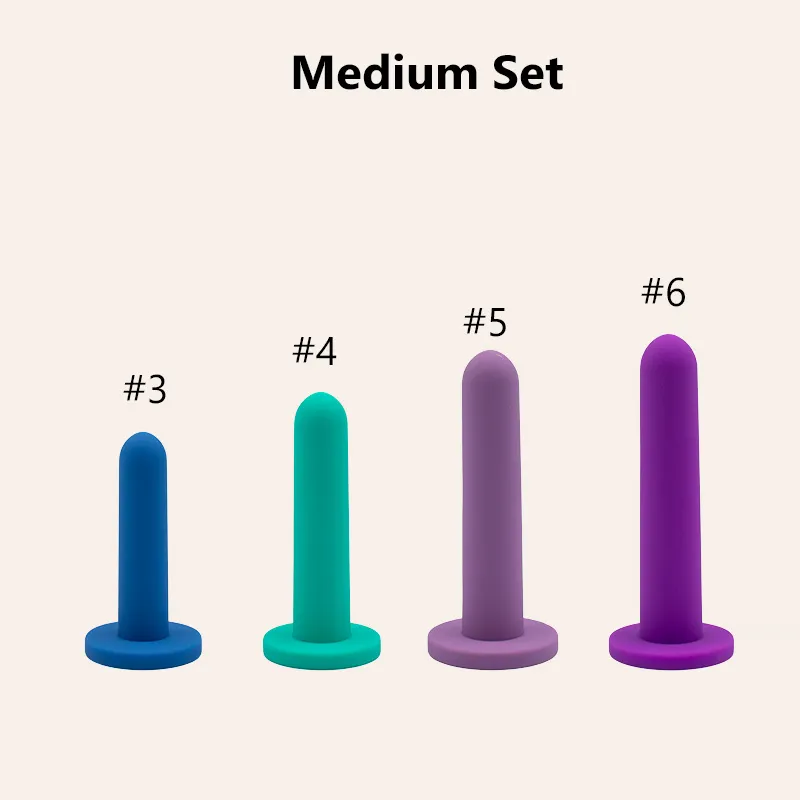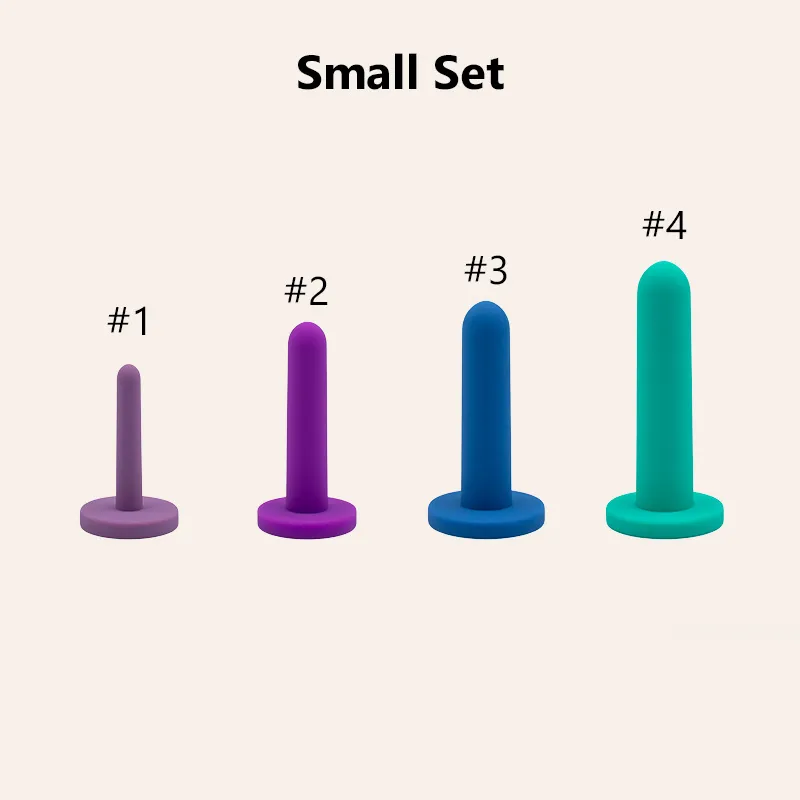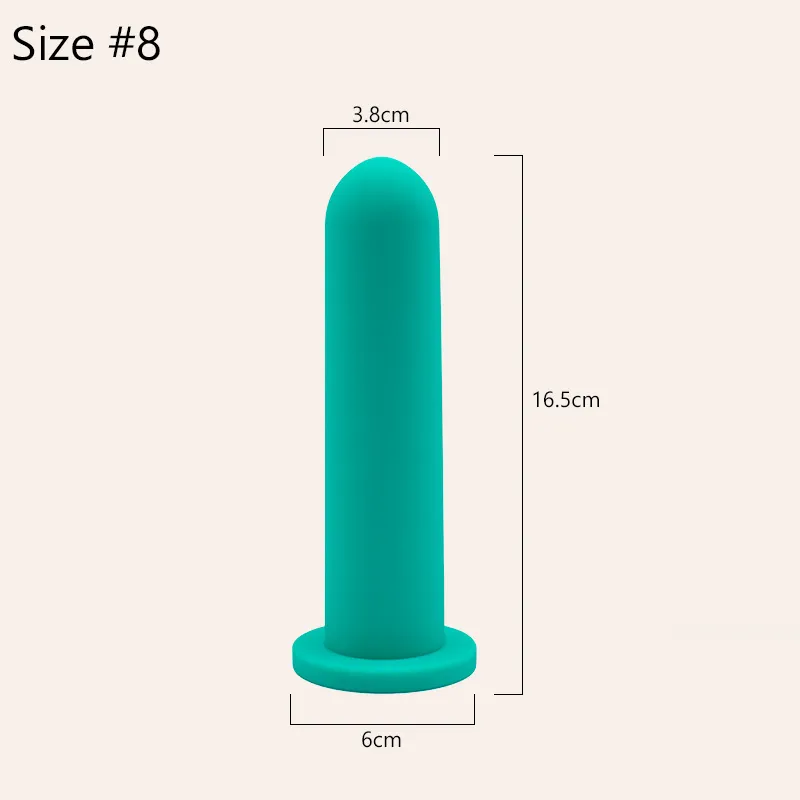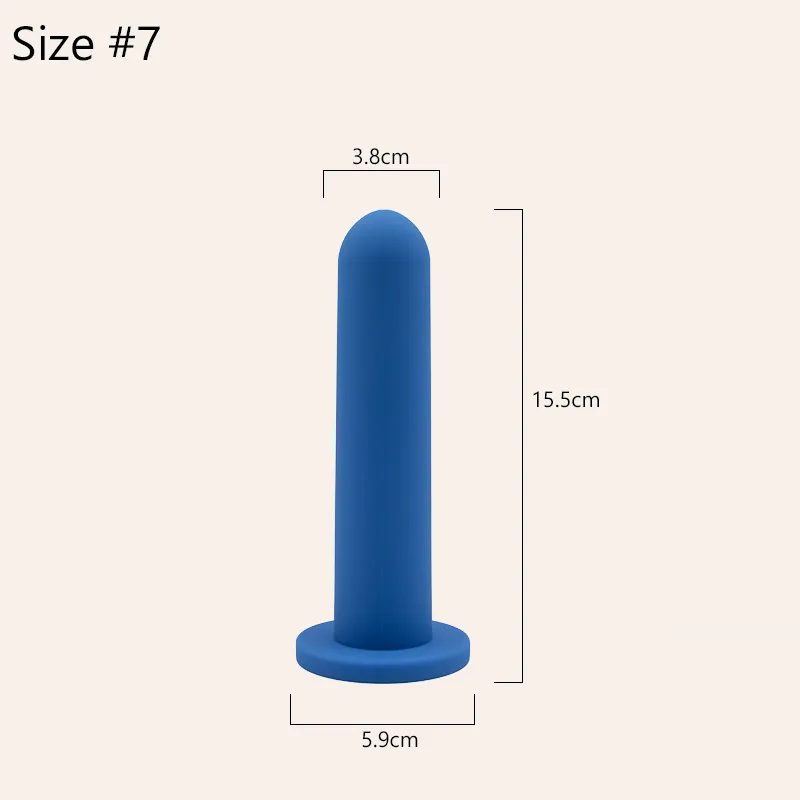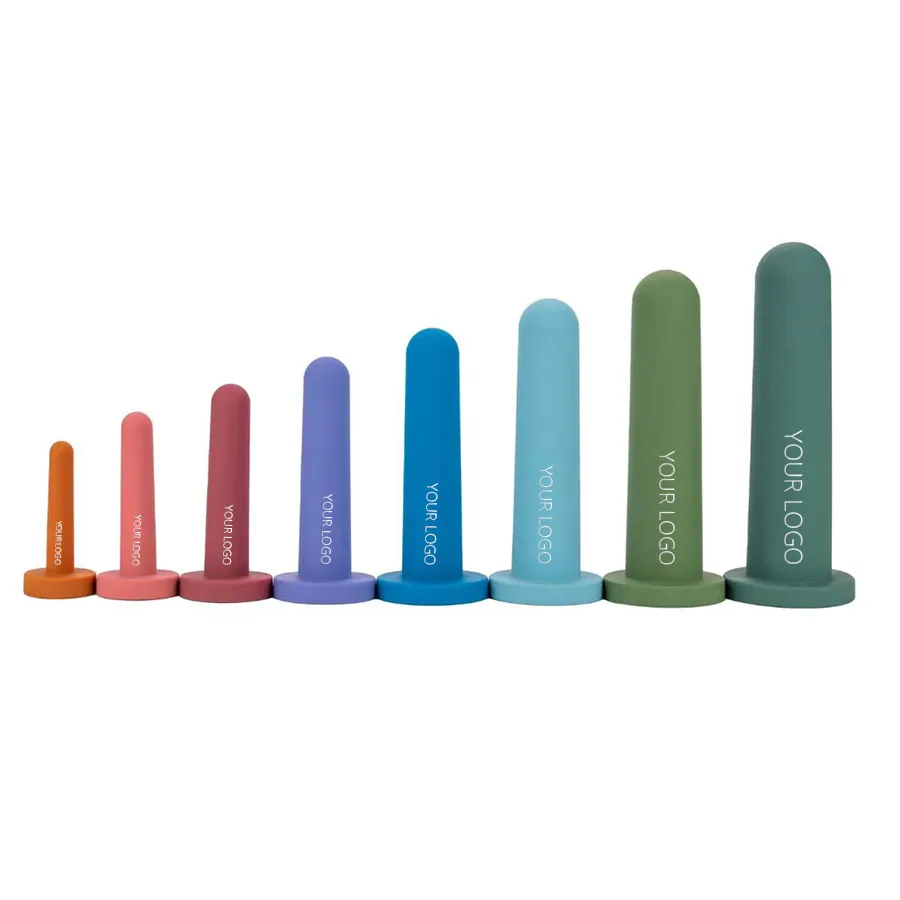
Custom Silicone Manufacturing

Custom Silicone Manufacturing From Design to Mass Production

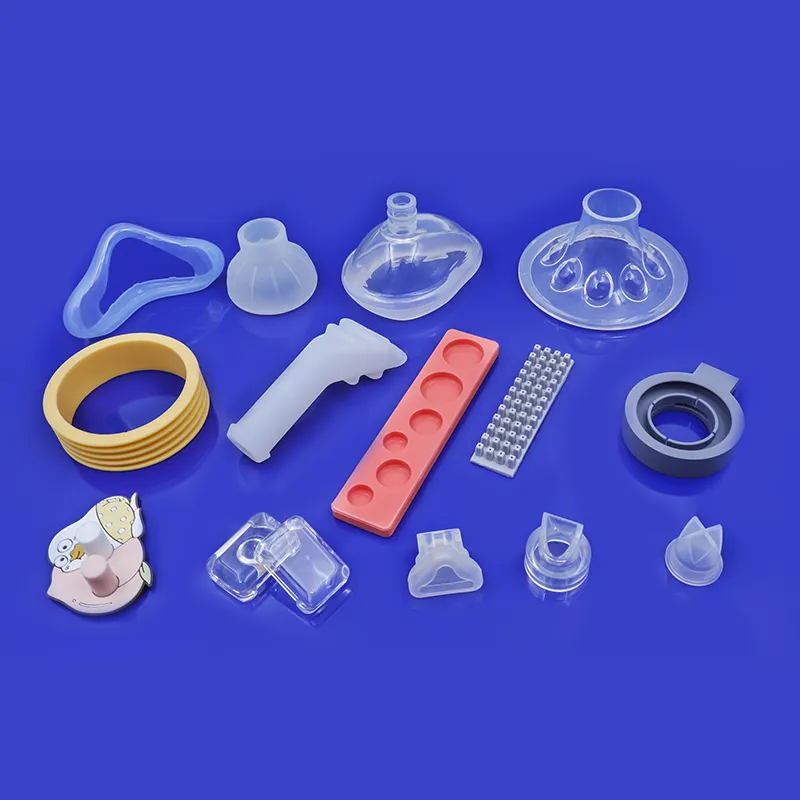
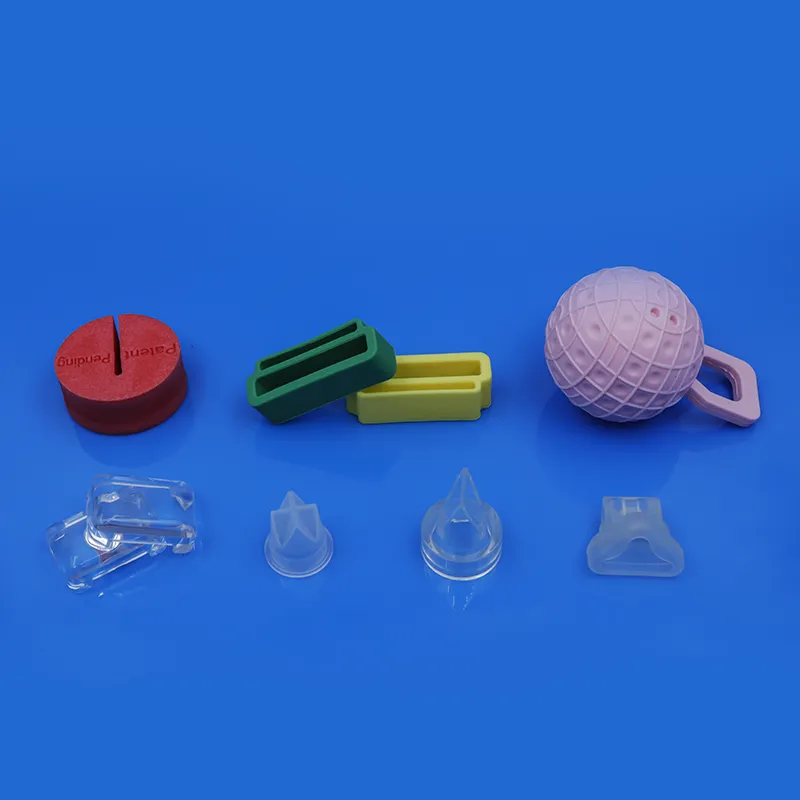
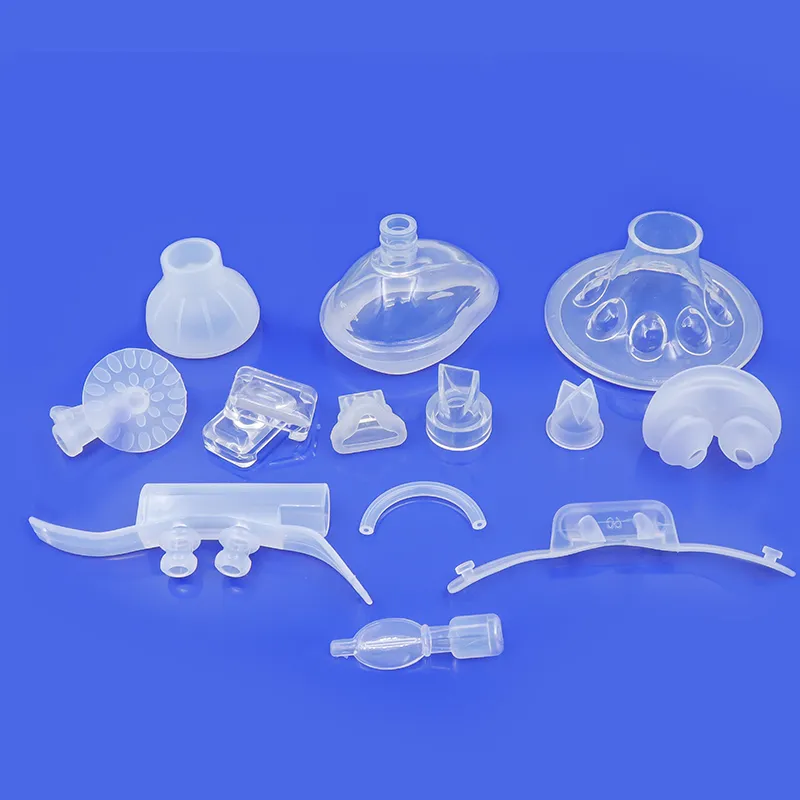
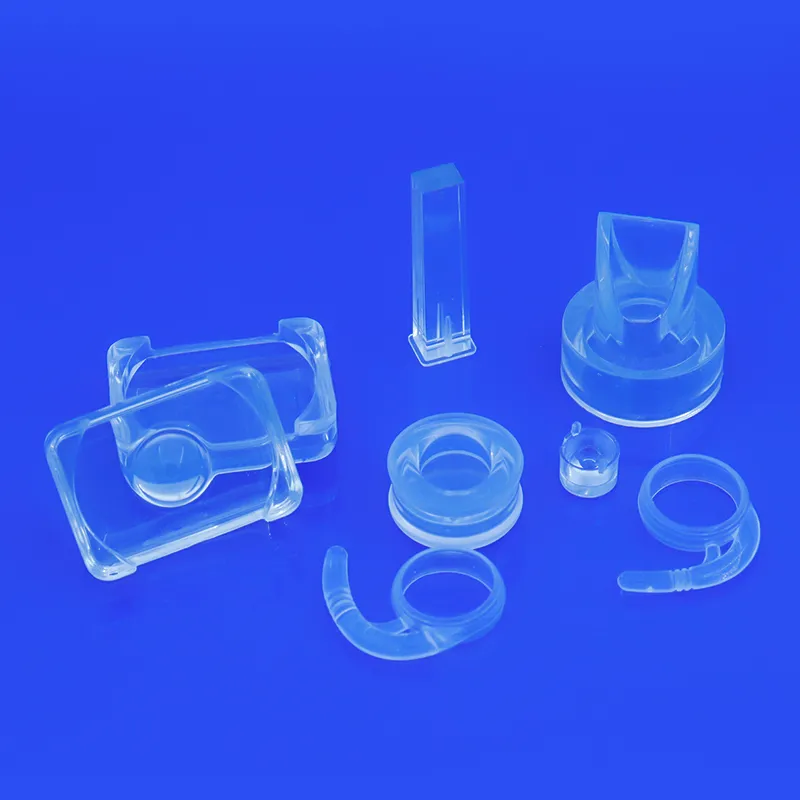
JESilicone provides custom silicone manufacturing for OEM and ODM projects, including material selection, mold development, prototyping, silicone molding, mass production, quality control and global supply support.

What is Custom Silicone Manufacturing?

Custom silicone manufacturing is the process of designing, engineering, molding and producing silicone products according to a customer's specific drawings, samples, CAD files, dimensions, material requirements and performance specifications. A custom silicone manufacturer typically manages mold development, material selection, prototyping, production, inspection and packaging as one integrated manufacturing process.

What Silicone Products Can JESilicone Customize?

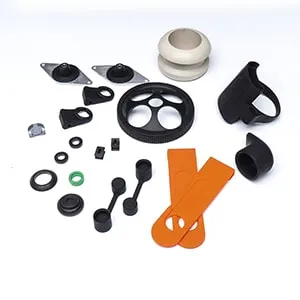
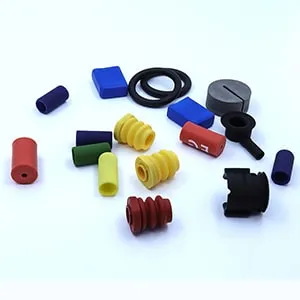
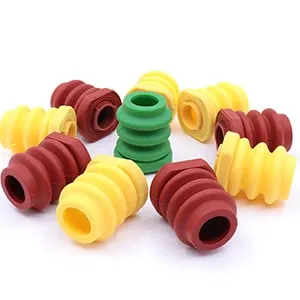
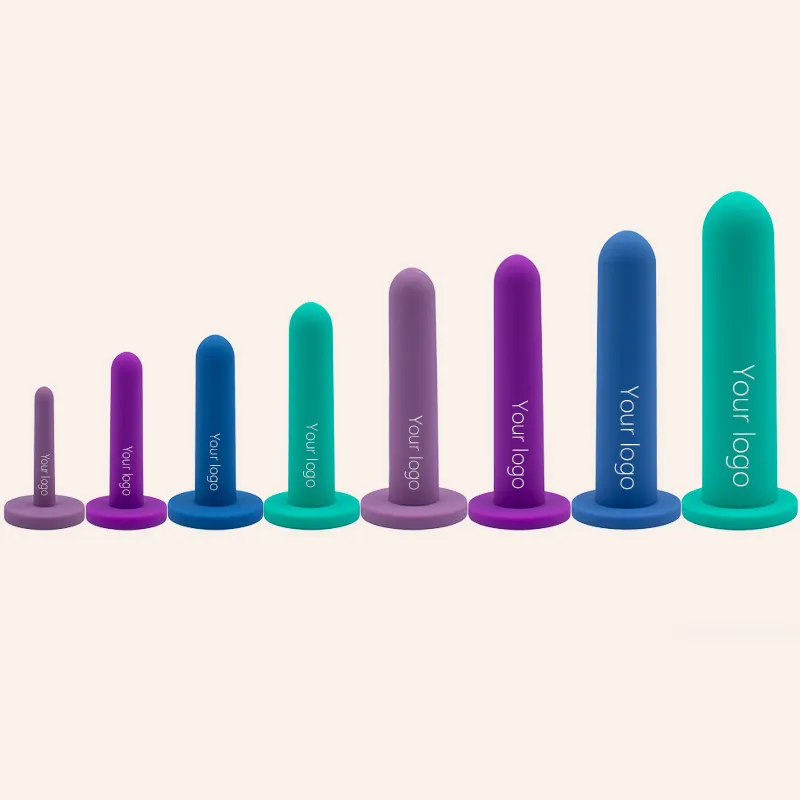
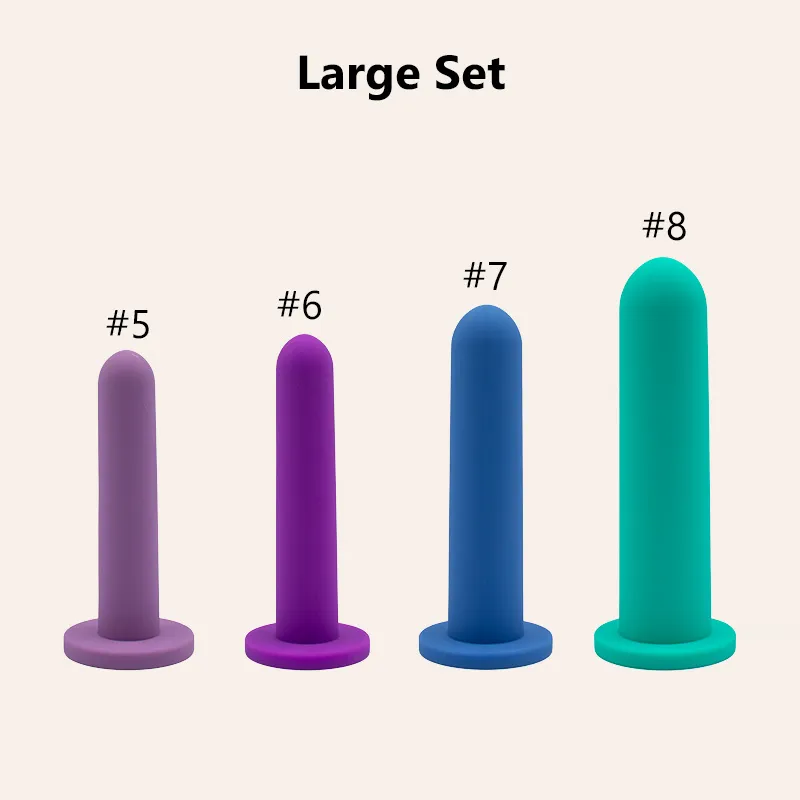
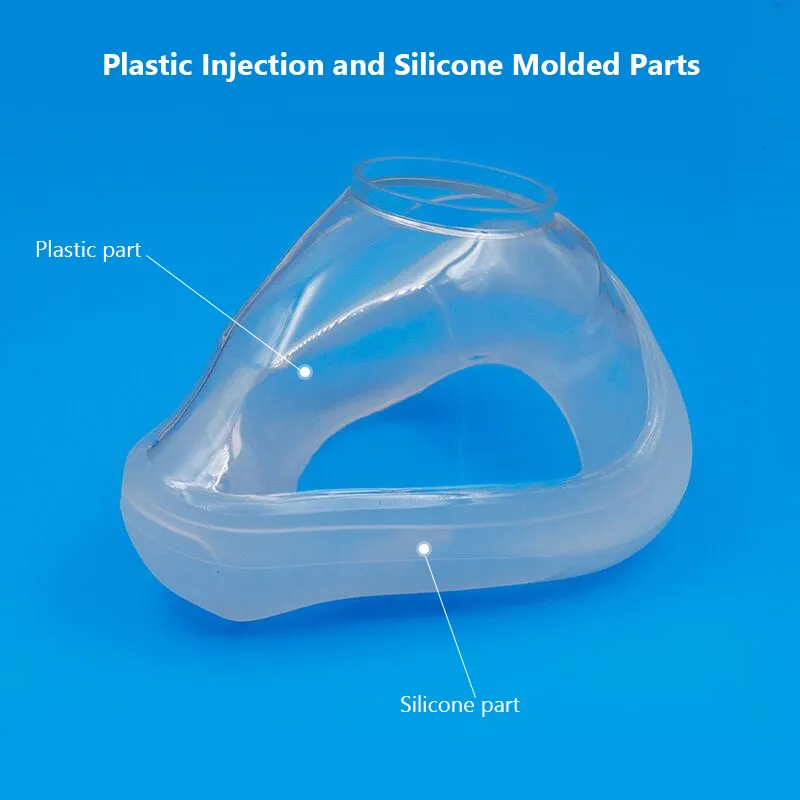
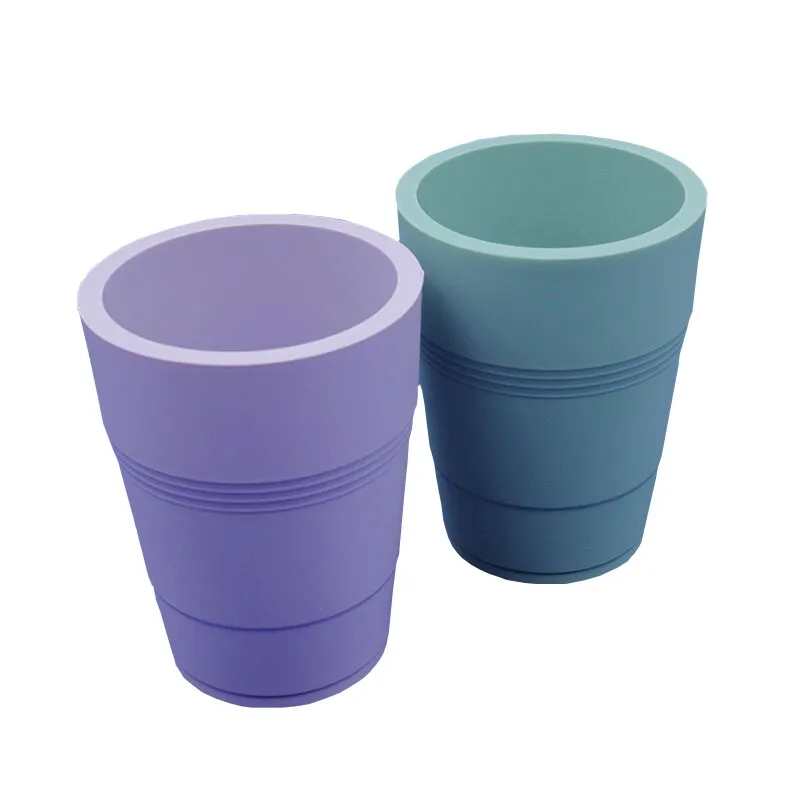
Custom silicone manufacturing can support products with different shapes, dimensions, hardness levels, colors, surface finishes and functional requirements.

01

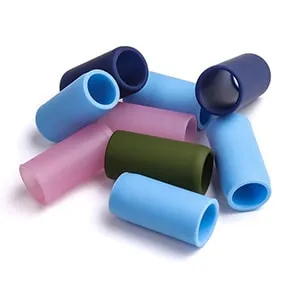
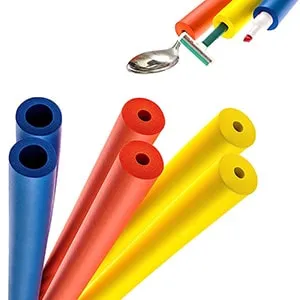
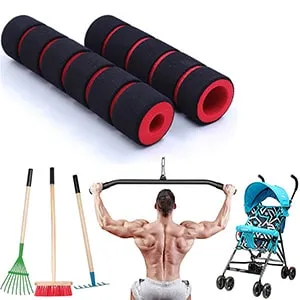
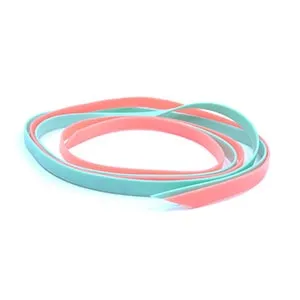
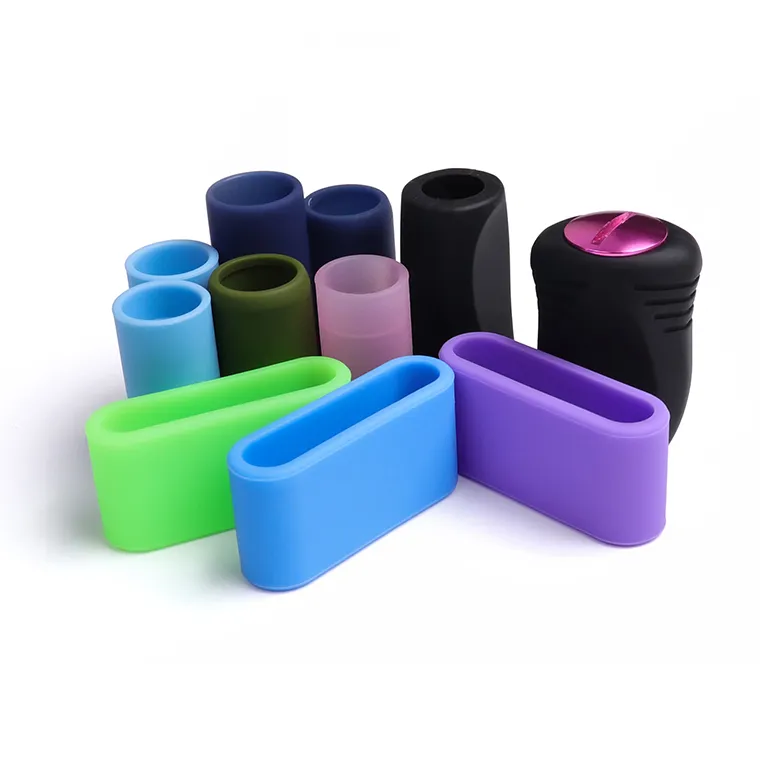
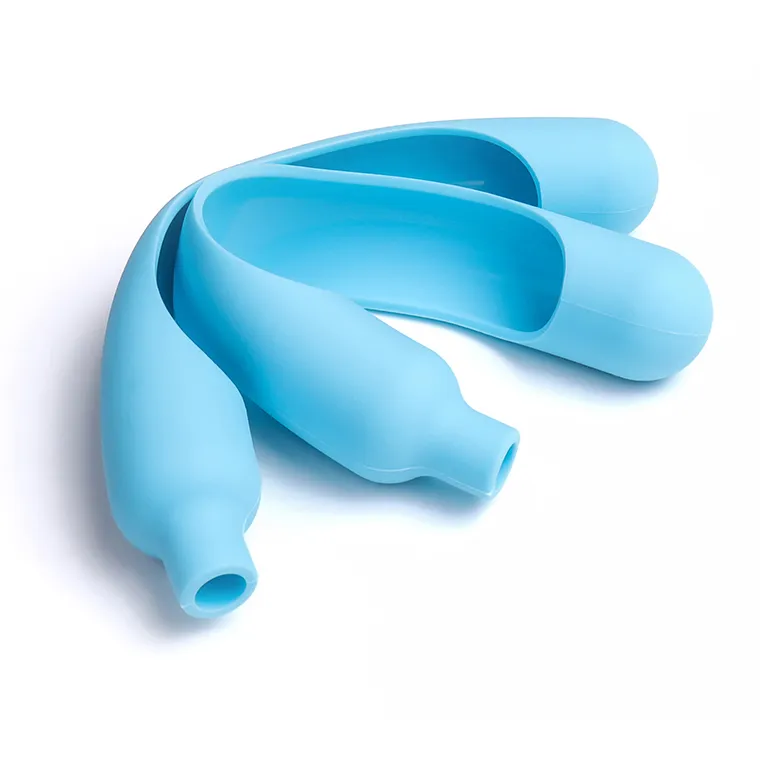
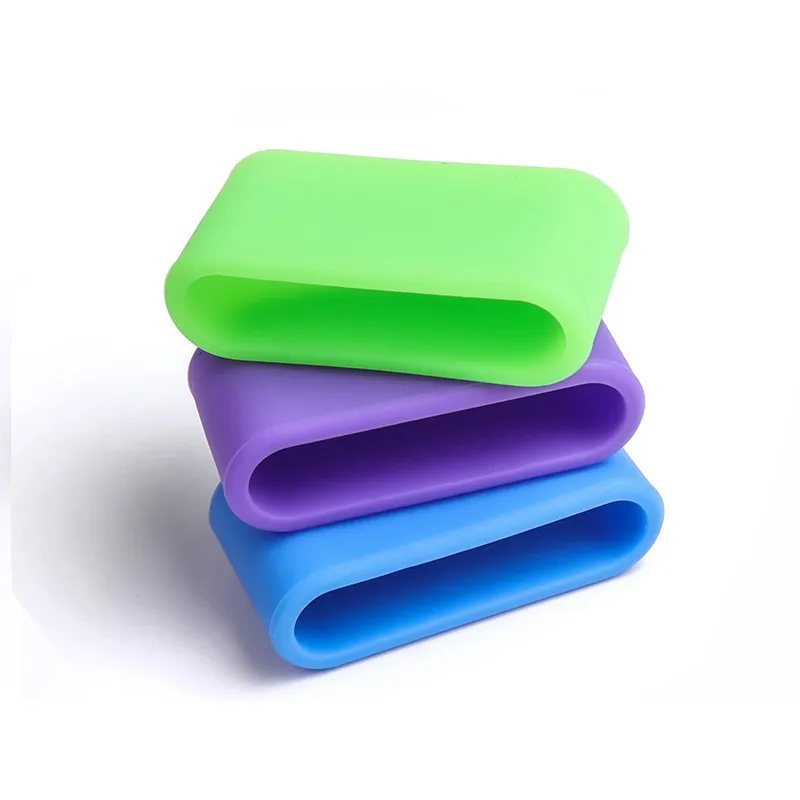
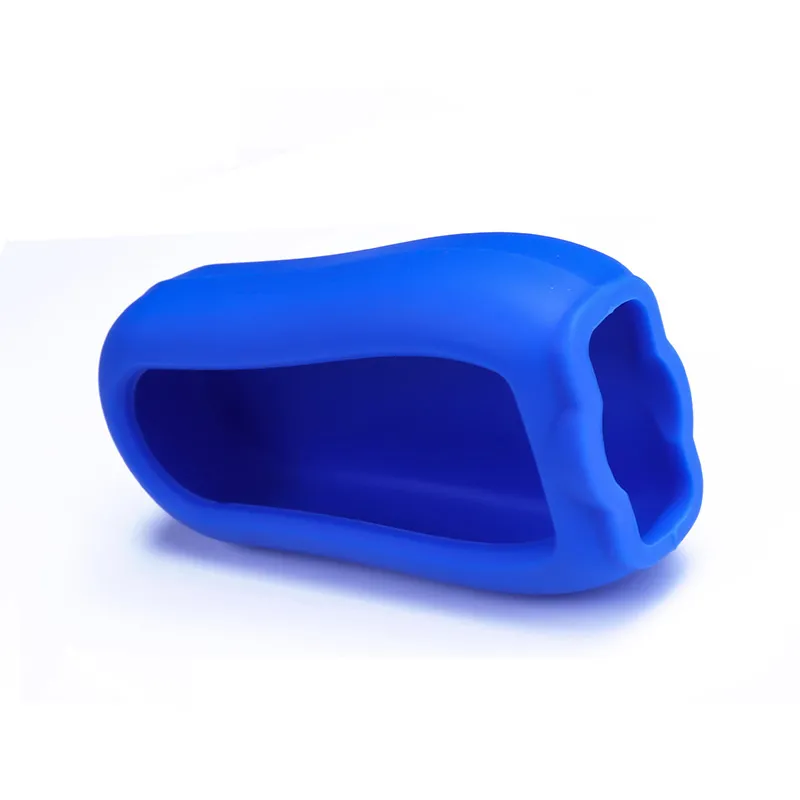
Silicone Sleeves & Cases

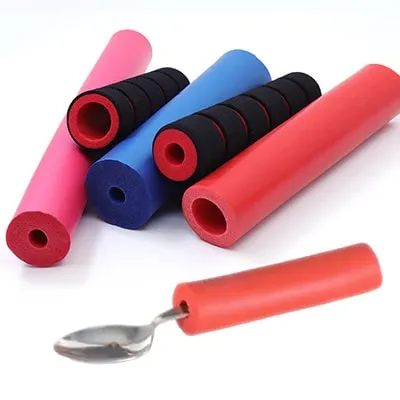
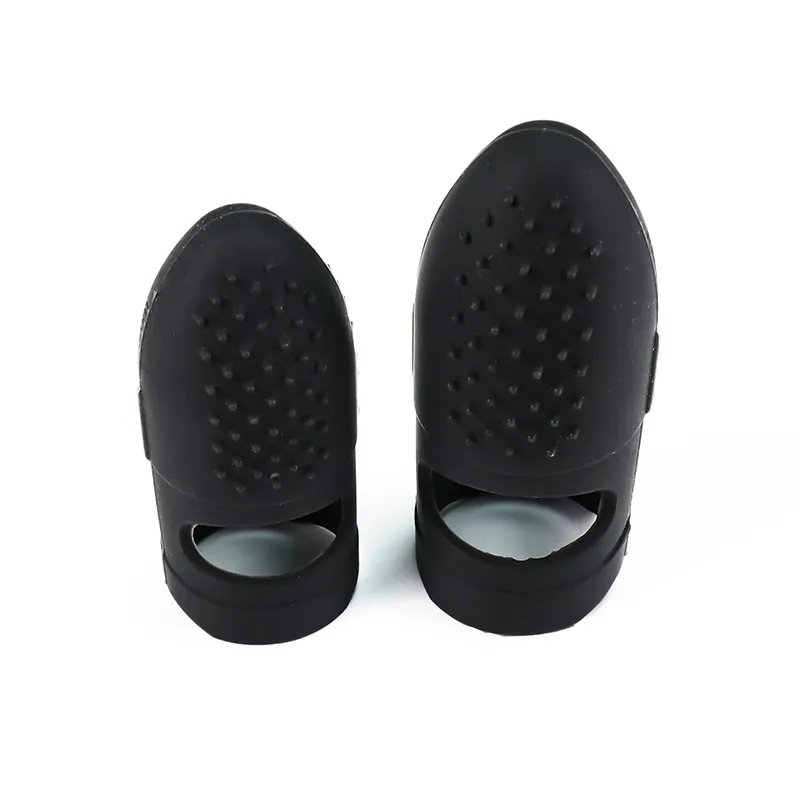
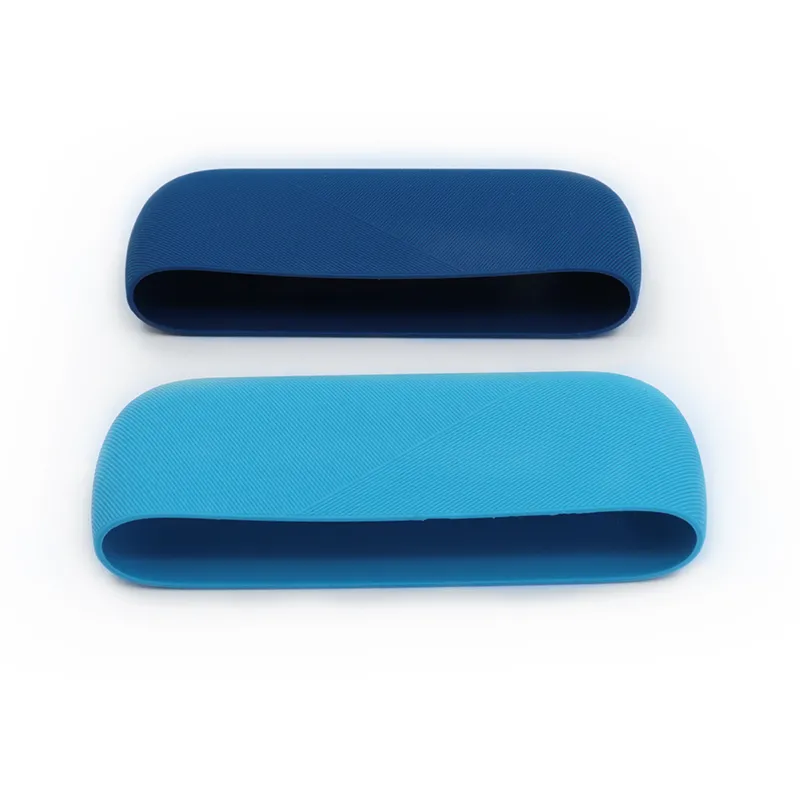
Custom silicone sleeves, protective covers, cases, grips and caps for electronic devices, medical equipment, industrial components, and consumer products.

02

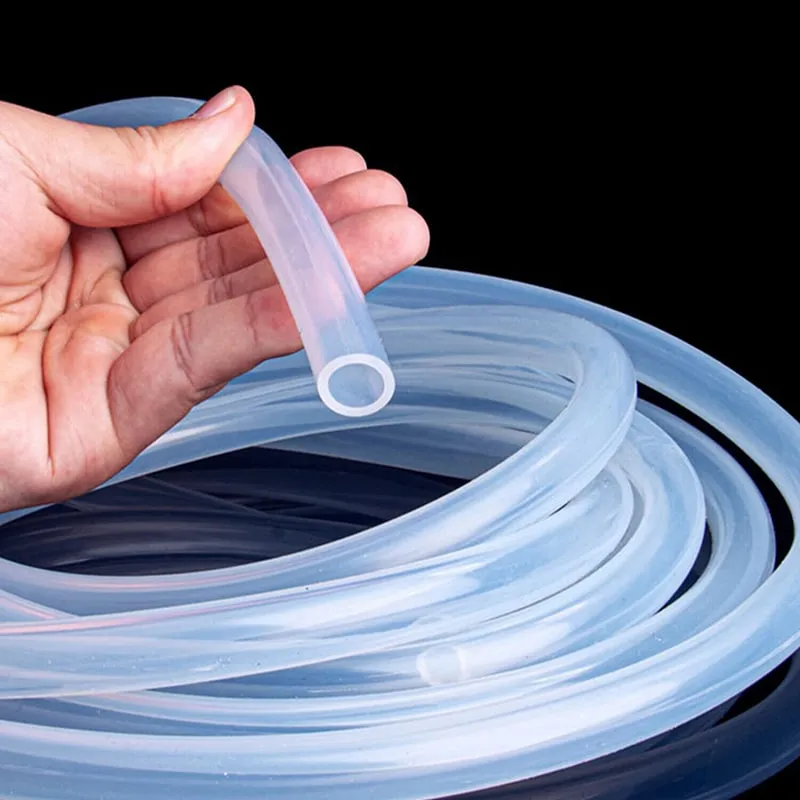
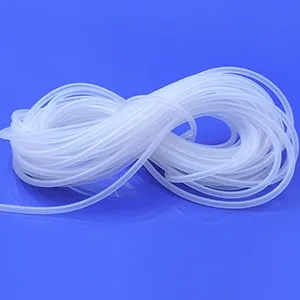
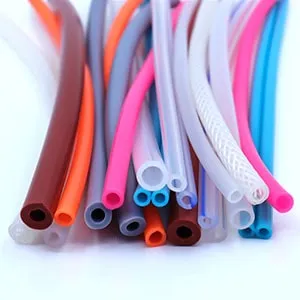
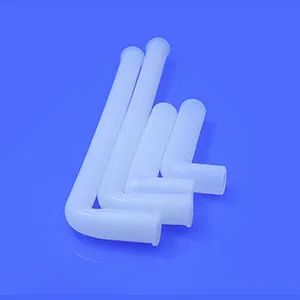
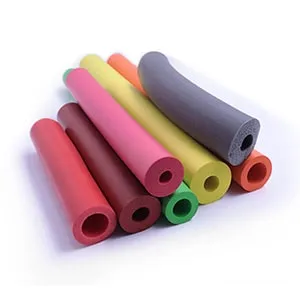
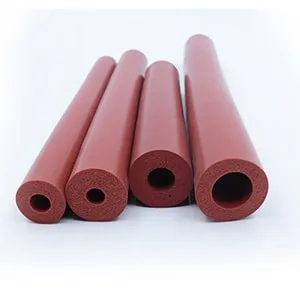
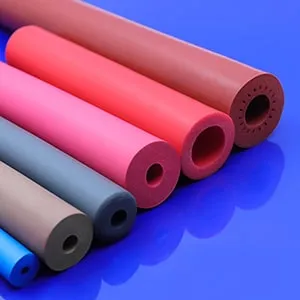
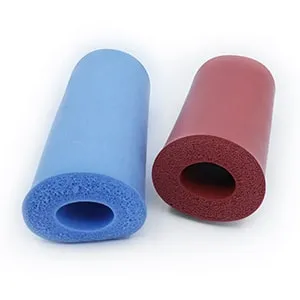
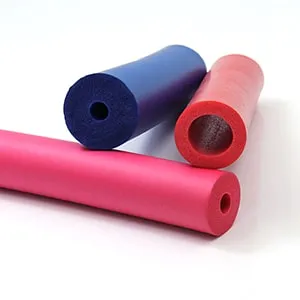
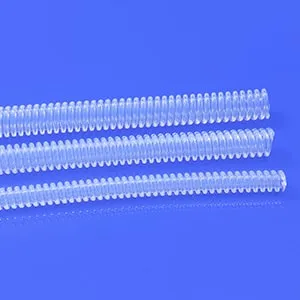
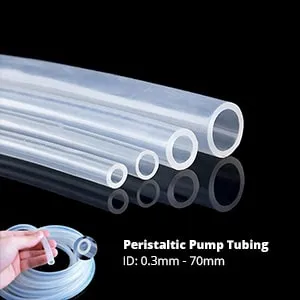
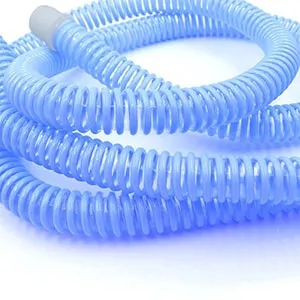
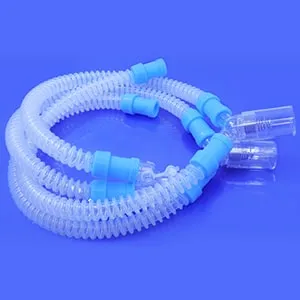
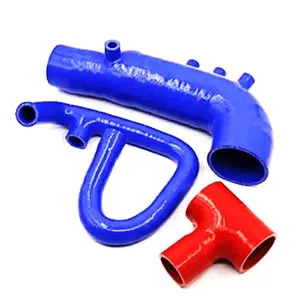
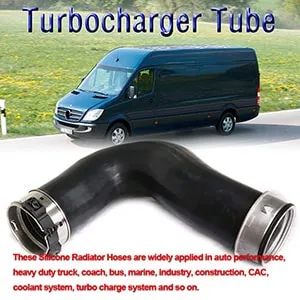
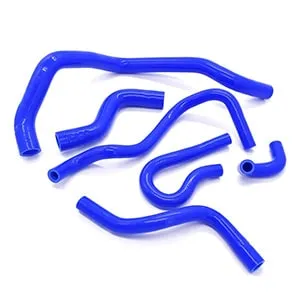
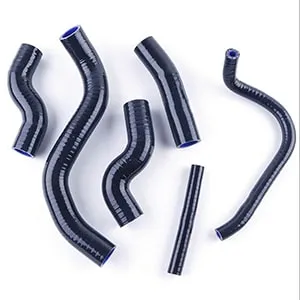
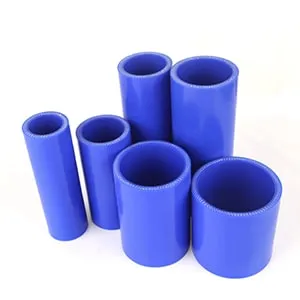
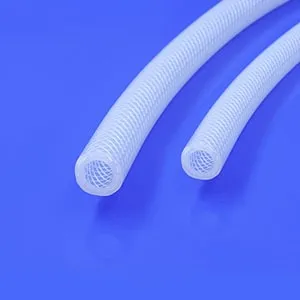
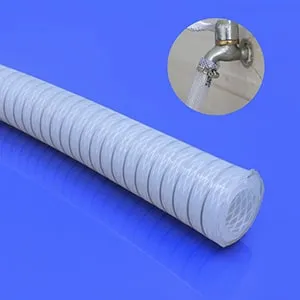
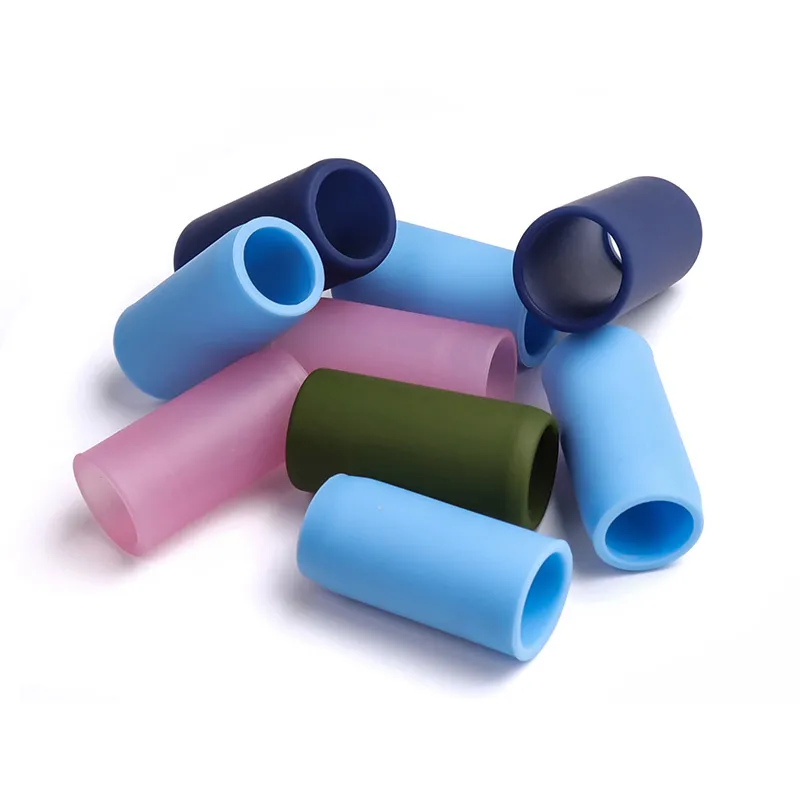
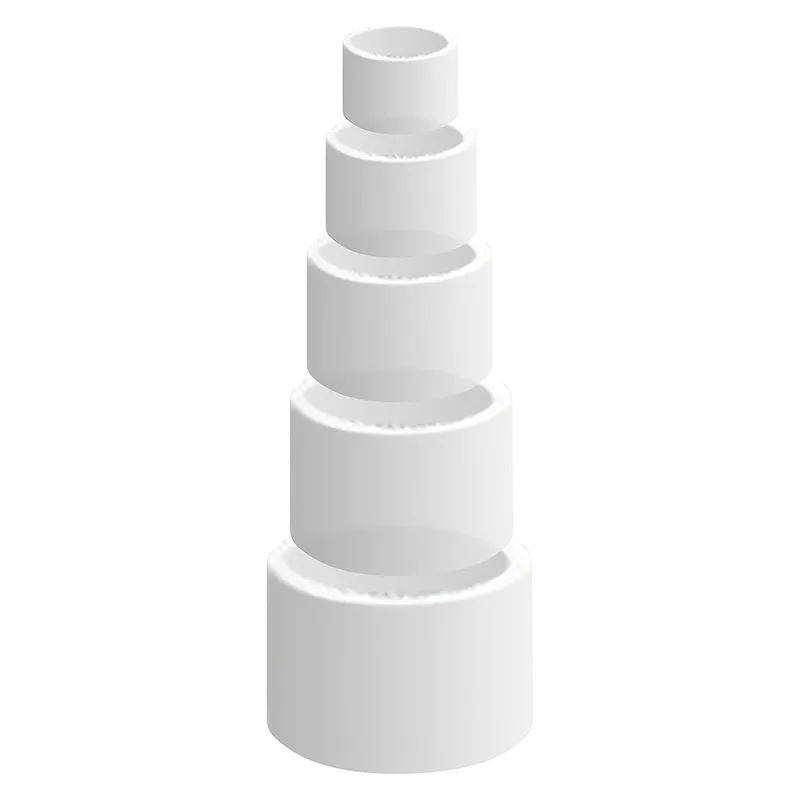
Silicone Tubes & Hoses

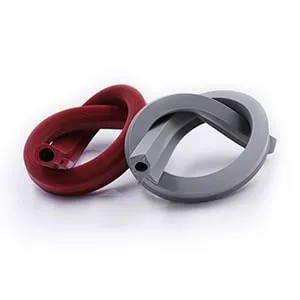
Custom silicone tubing, flexible hoses and fluid-handling components in different sizes and material grades.

03

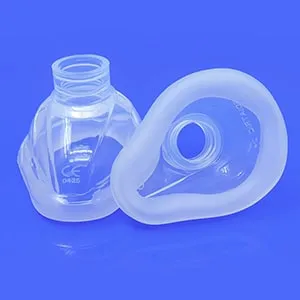
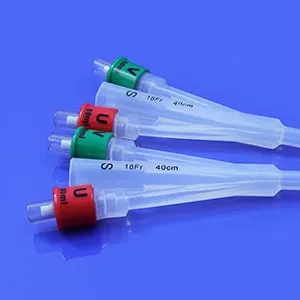
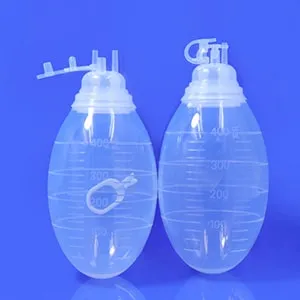
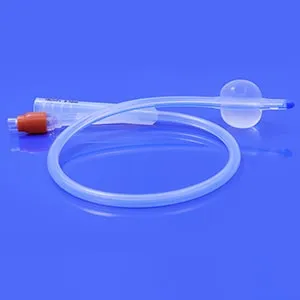
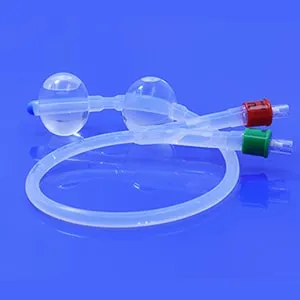
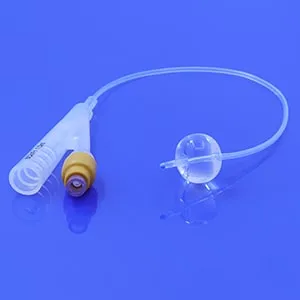
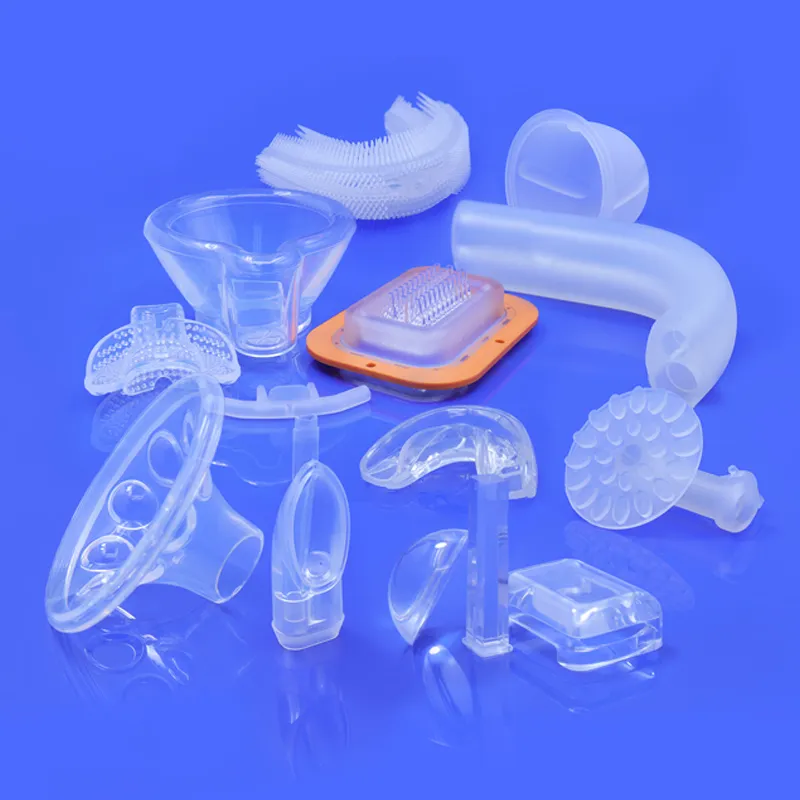
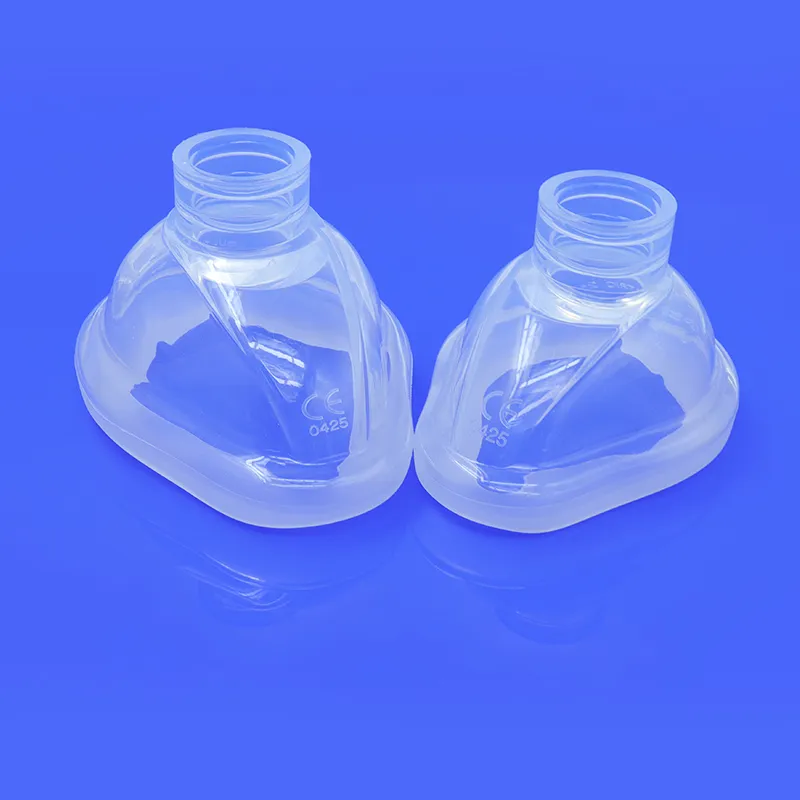
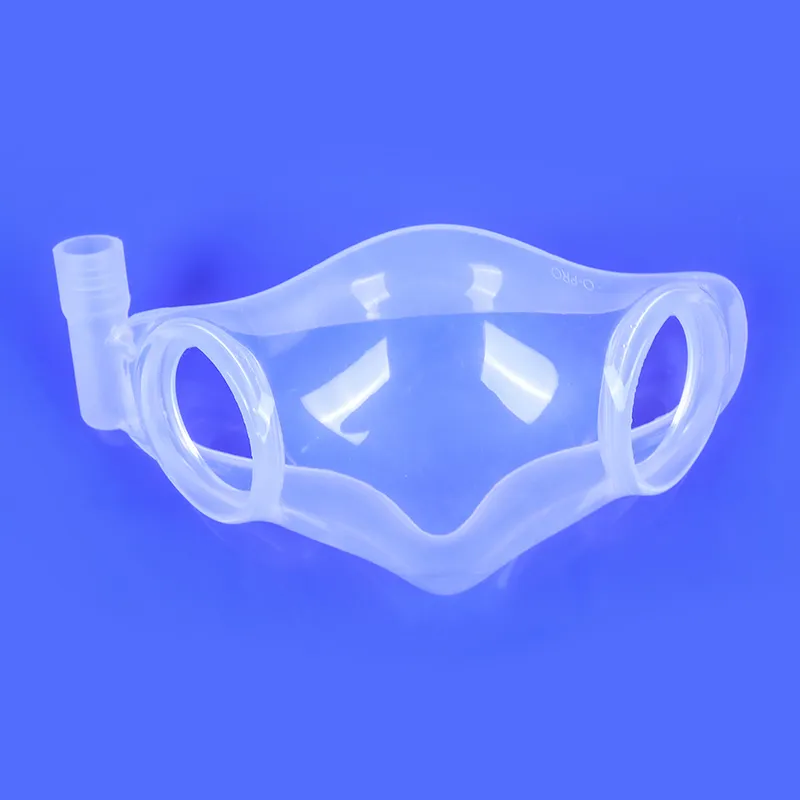
Medical Silicone Products

Custom medical-grade silicone components for medical and healthcare applications.

04

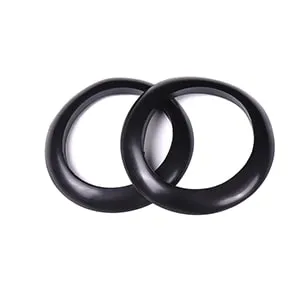
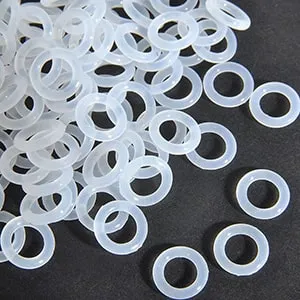
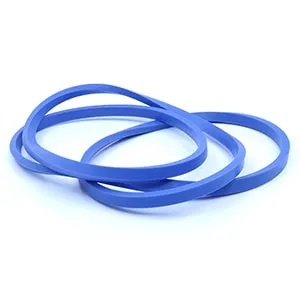
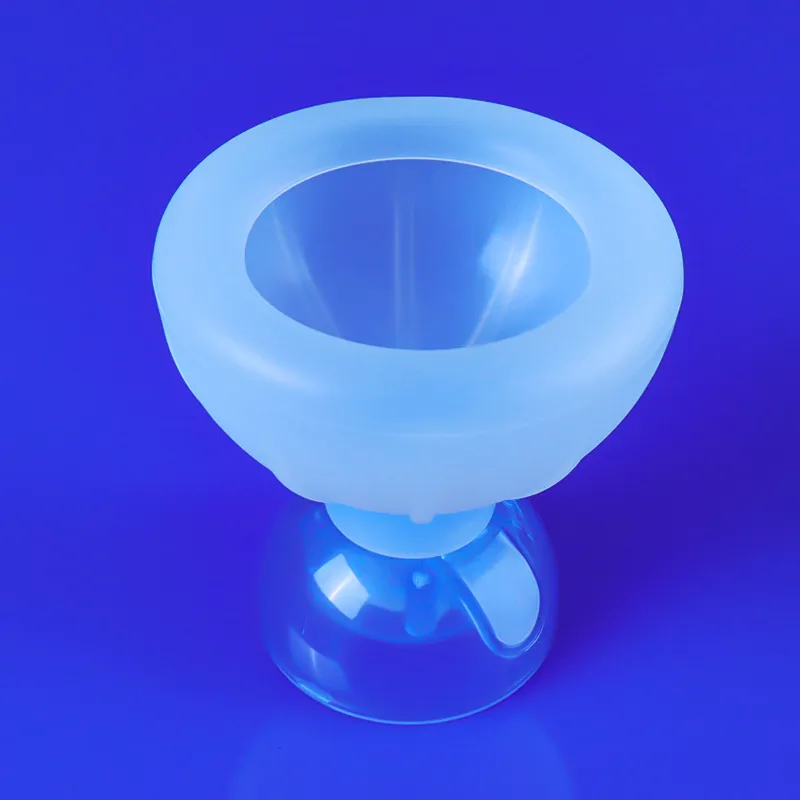
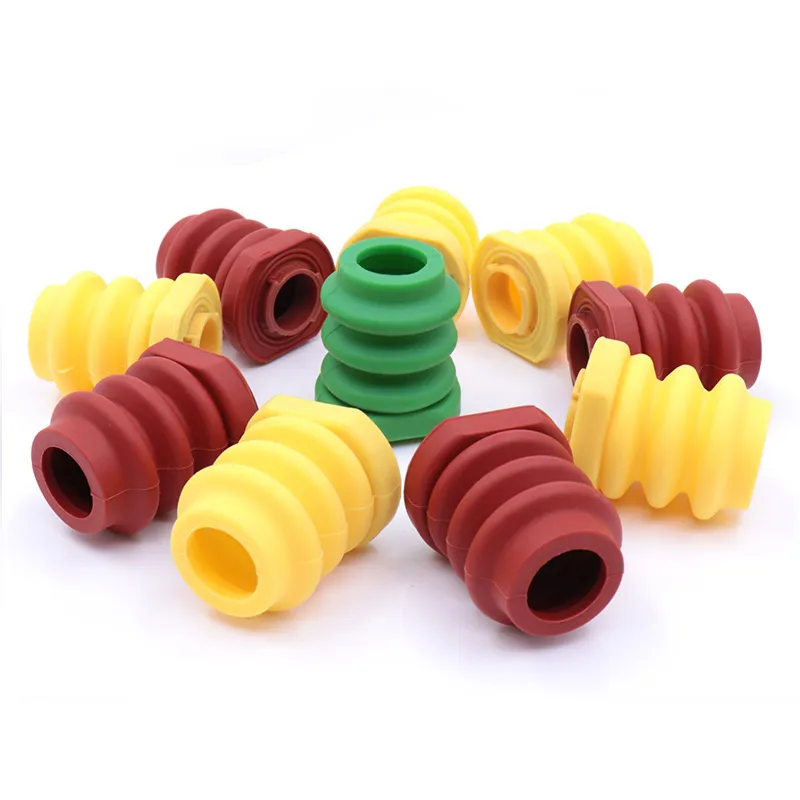
LSR Parts

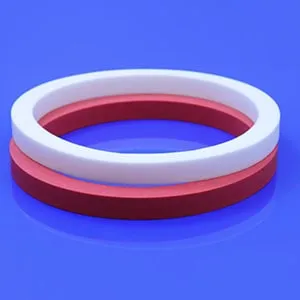
Custom LSR seals, gaskets, valves, plugs, o-rings, and other injection molding products tailored to your drawings and application requirements.

05

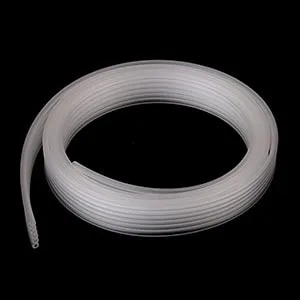
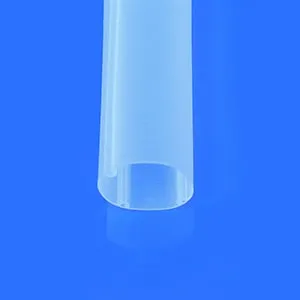
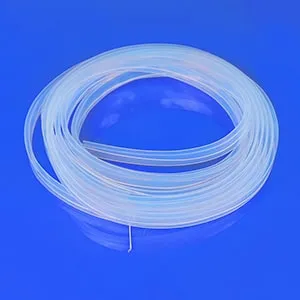
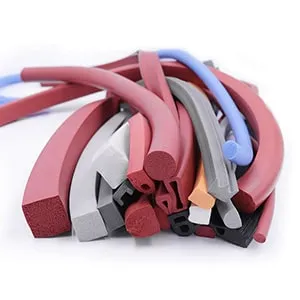
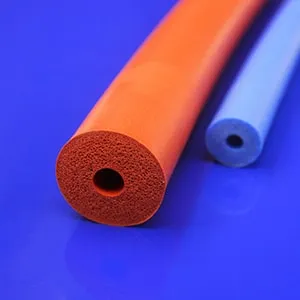
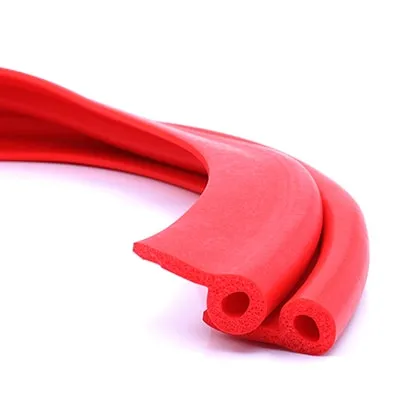
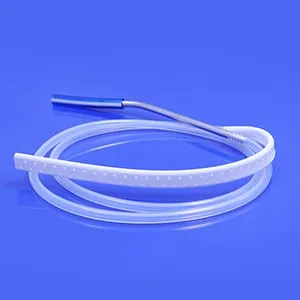
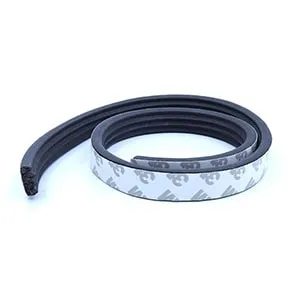
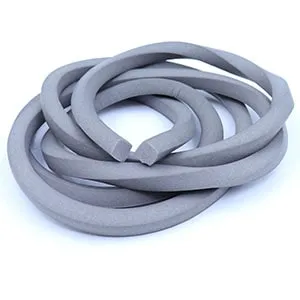
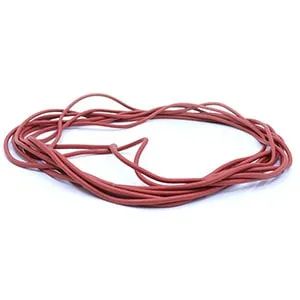
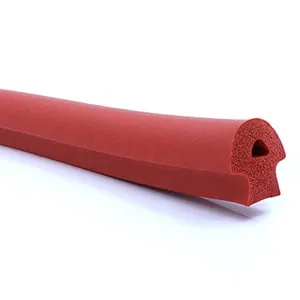
Silicone Strips & Cords

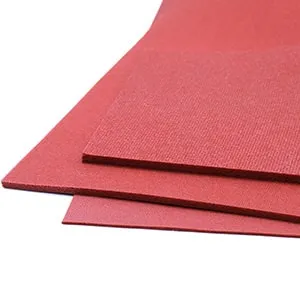
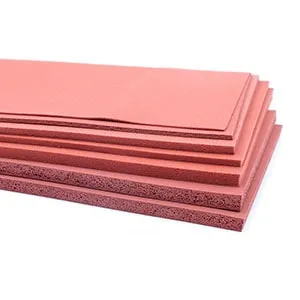
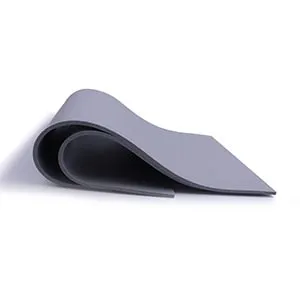
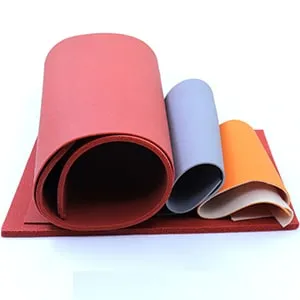
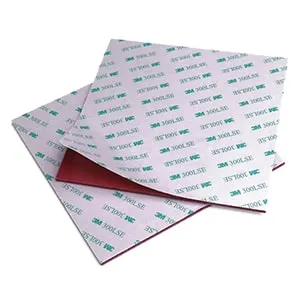
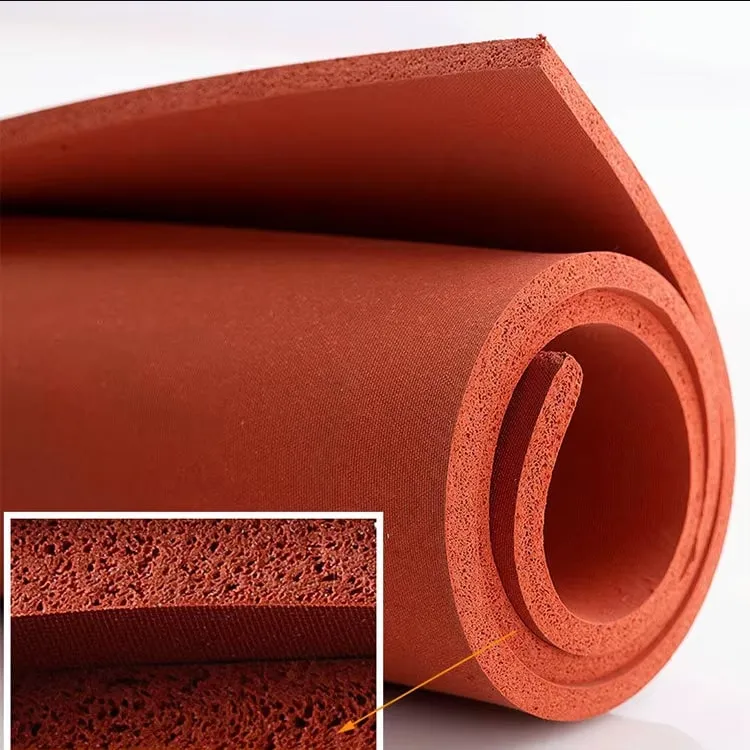
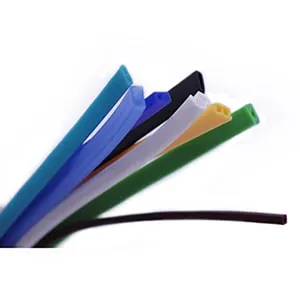
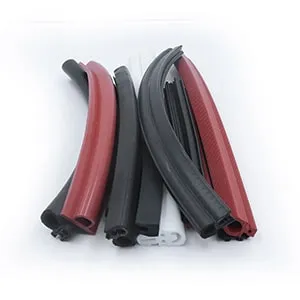
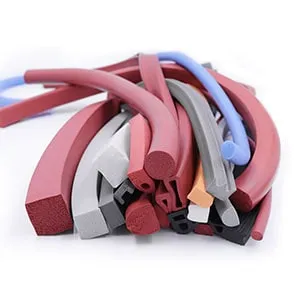
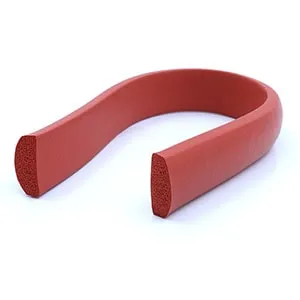
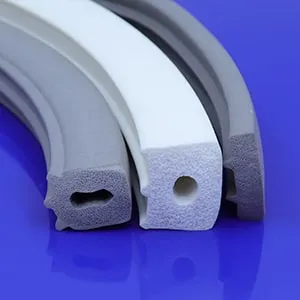
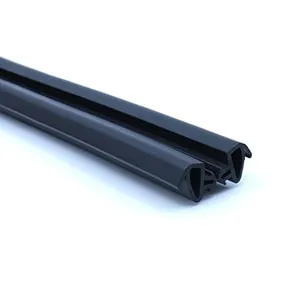
Custom silicone sealing strips, foam/sponge strips, cord strips, edge trims, adhesive strips, and custom-profile strips tailored to your dimensions, hardness, color, and application needs.

06

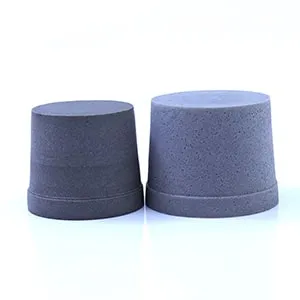
Custom Industrial Components

Custom molded silicone parts for equipment, machinery, electronics and industrial applications.

OEM & ODM Silicone Manufacturing

From Your Drawing, Sample or Product Concept

As a custom silicone manufacturer, JESilicone can support projects at different stages of development. Customers may provide a 2D drawing, 3D CAD file, physical sample, specification or product concept.

JESilicone works with customers to evaluate product geometry, silicone material, hardness, wall thickness, tolerances, molding requirements and production considerations before manufacturing.
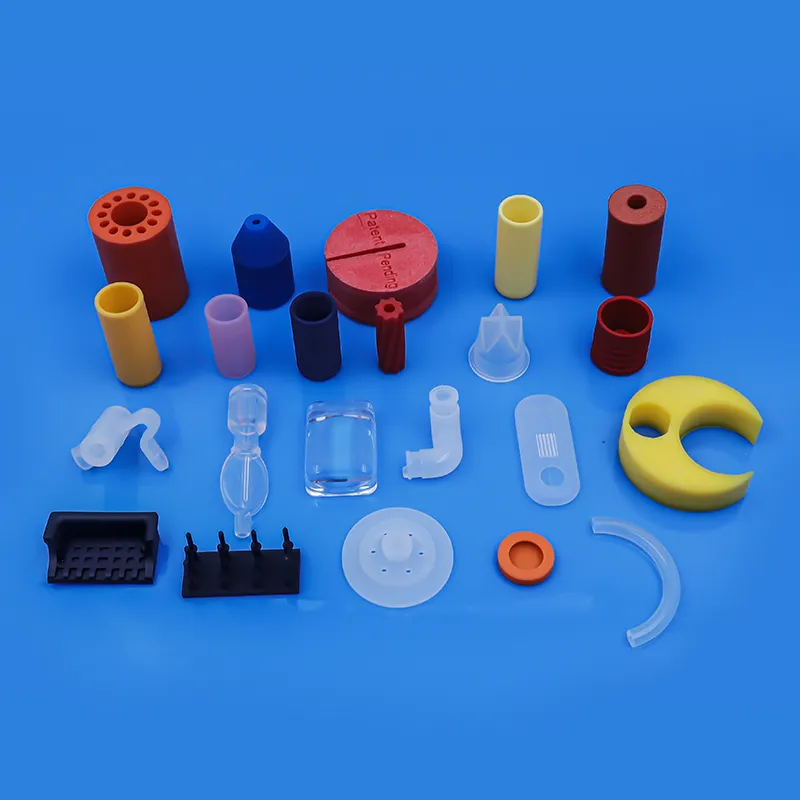
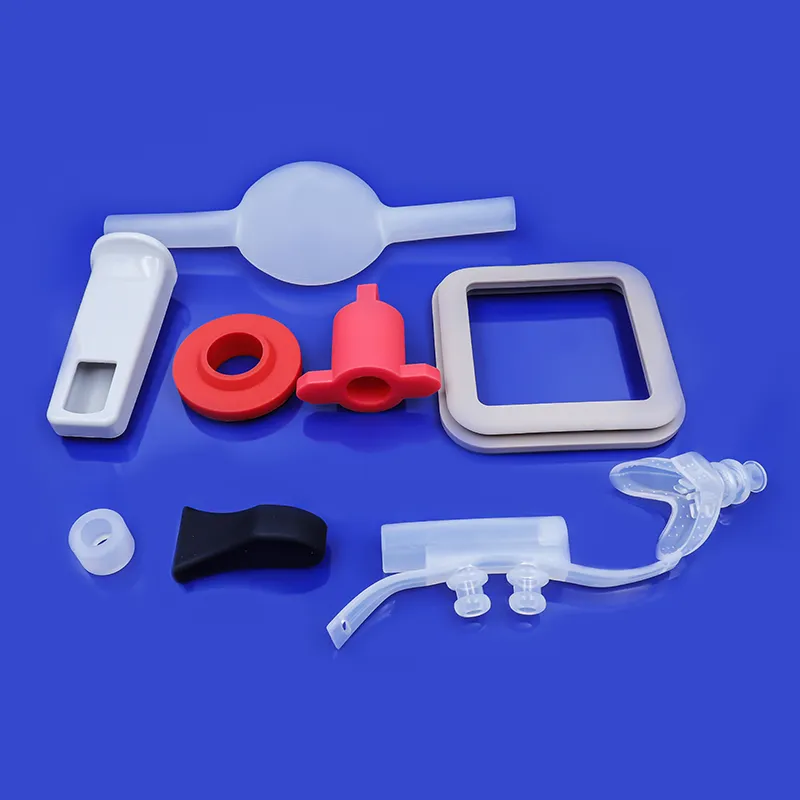
  • Manufacturing based on 2D engineering drawings
  • Manufacturing based on 3D CAD files
  • Reverse engineering from physical samples
  • OEM manufacturing to customer specifications
  • ODM support for product development
  • Design-for-manufacturing optimization

Typical Project Inputs

  • Product drawings
  • 3D CAD files
  • Physical samples
  • Dimensions and tolerances
  • Silicone hardness
  • Color requirements
  • Application environment
  • Annual quantity or expected order volume
Silicone Materials

Which Silicone Materials Can Be Used?

Material selection depends on the product's application, temperature, mechanical requirements, regulatory requirements and manufacturing process.

Material / Grade Typical Characteristics Common Applications
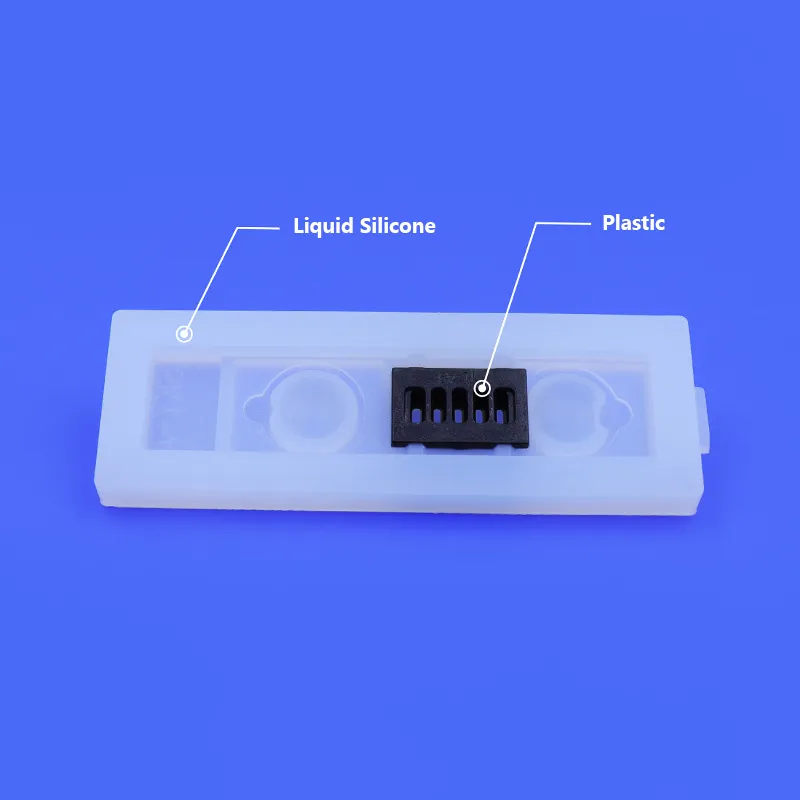
LSR — Liquid Silicone Rubber High consistency, excellent flow and suitable for automated injection molding. Medical, healthcare, consumer and precision components
Solid Silicone Rubber Flexible, durable and suitable for compression and transfer molding. Seals, gaskets, industrial and consumer products
High-Temperature Silicone Designed for applications exposed to elevated temperatures. Industrial and equipment components
Food-Contact Silicone Formulated for applicable food-contact applications when the required grade is specified. Kitchenware and food-related products
Medical-Grade Silicone Material selected according to the applicable medical application and compliance requirements. Medical and healthcare components
Manufacturing Process

How Does Custom Silicone Manufacturing Work?

A typical custom silicone manufacturing project progresses from requirements analysis through engineering, mold development, prototyping, validation and production.

01

roject Consultation

We review your product concept, specifications, application, and production requirements, then recommend the right silicone material and manufacturing process for your project.

02

Engineering

Our engineers refine your drawings, samples, or ideas into production-ready designs, optimizing dimensions, structure, tolerances, and molding requirements for reliable mass production.

03

Material Selection

We select the right silicone material based on your product requirements, application, hardness, temperature resistance, and performance needs. We can provide LSR, HCR, medical-grade silicone, food-grade silicone, industrial-grade silicone.

04

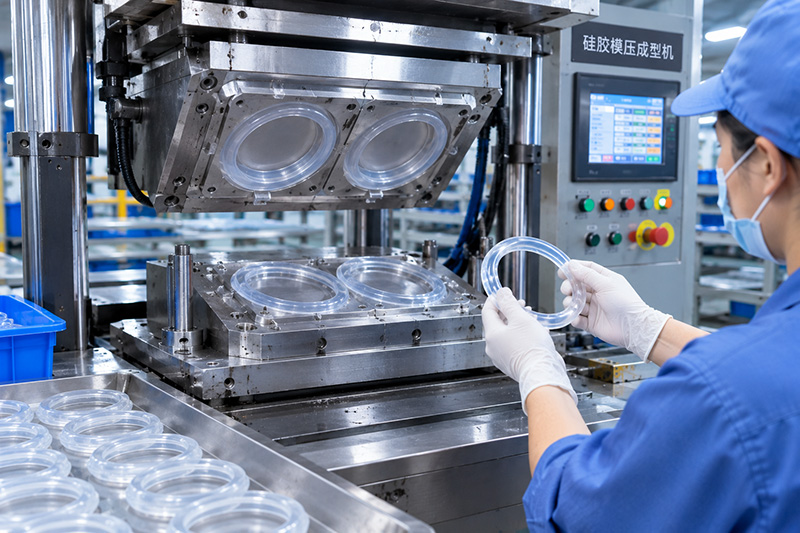
Mold Development

We develop precision molds based on your product design, optimizing mold structure and tolerances for accurate, consistent, and efficient production.

05

Prototype & Sample Validation

We manufacture initial samples for dimensional, functional, appearance, assembly, and performance evaluation. Sample testing allows potential issues to be identified and optimized before mass production, helping ensure the final product meets your requirements.

06

Production Process Optimization

After sample approval, we establish and fine-tune the production parameters, including molding temperature, pressure, curing time, injection or compression conditions, and post-processing requirements. Our team optimizes the process for stable quality, efficient production, and repeatable results.

07

Mass Production

Manufacture products using the selected silicone material and appropriate molding process.

08

Quality Inspection

Every production run is supported by strict quality control procedures. We inspect critical dimensions, appearance, hardness, elasticity, sealing performance, and other specified requirements while maintaining consistent process control throughout manufacturing.

Quality Control

What Inspections Are Conducted for Custom Silicone Products?

We conduct comprehensive inspections covering dimensions, appearance, hardness, elasticity, sealing performance, and material properties to ensure each custom silicone product meets your specifications and quality requirements.

Dimensions

Critical dimensions and tolerances can be checked against approved drawings and specifications.

Appearance

Surface defects, flash, burrs, contamination and visual consistency can be inspected.

Hardness

Silicone hardness can be verified according to the specified material requirement.

Function

Functional testing can be defined according to the product's intended application.

Industries

Industries We Support

Custom silicone manufacturing can be applied across multiple industries where flexible, durable and application-specific elastomer components are required.

Medical & Healthcare Silicone components, tubing, seals and healthcare products.
Consumer Products Household, kitchen, personal care and lifestyle products.
Electronics Protective covers, seals, keypads and flexible components.
Automotive Seals, grommets and application-specific silicone parts.
Industrial Equipment Gaskets, seals, protective components and custom parts.
Food & Kitchen Custom silicone products for applicable food-contact uses.
Sports & Fitness Flexible silicone components and customized consumer products.
Packaging Custom seals, closures and flexible silicone components.
20+ Years of Silicone Manufacturing Experience
10,000+ Successful Mold Development Projects
OEM Custom Manufacturing Support
ODM Product Development Support
Project Planning

MOQ and Lead Time for Custom Silicone Products

MOQ and lead time are project-dependent rather than fixed numbers. They can vary according to product complexity, material, mold design, production process, order quantity and inspection requirements.

Minimum Order Quantity

MOQ depends on the product, manufacturing process, tooling, material and production economics. Contact JESilicone sales team with your project details for a specific MOQ.

Tooling Lead Time

Mold development time depends on part complexity, mold structure, tooling specifications and engineering changes.

Production Lead Time

Production lead time depends on order quantity, material availability, product complexity, production scheduling and quality requirements.

What Information Is Required for a Silicone Manufacturing Quote?

The more complete the project information, the more accurately a manufacturer can evaluate tooling, materials, production methods, MOQ, lead time and pricing.

Product drawing or 3D CAD file
Physical sample, if available
Product dimensions and tolerances
Silicone material or application requirements
Silicone hardness requirement
Color and appearance requirements
Estimated order quantity
Target application and market
Required certifications or compliance
Packaging requirements
Send Your RFQ
Silicone Manufacturing FAQ

Frequently Asked Questions

Answers to common questions about custom silicone manufacturing, OEM, ODM, tooling, materials and production.

Yes. A physical sample can be used as a reference for product evaluation, dimensional analysis, material discussion and reverse-engineering requirements. Final specifications should be confirmed before production.

Yes. A 3D CAD file can provide important information about product geometry and dimensions. Engineers can review the design for silicone molding and identify potential manufacturing considerations before tooling.

LSR is a two-component liquid silicone material commonly processed through liquid injection molding, while solid silicone rubber is supplied as a higher-viscosity material and is commonly processed through compression or transfer molding. The appropriate material depends on product design, volume, performance and manufacturing requirements.

Silicone hardness should be selected according to the product's sealing, flexibility, compression, tactile and mechanical requirements. A manufacturer can recommend a suitable hardness range after reviewing the product application and design.

Mold development time depends on part size, geometry, complexity, cavity configuration, tooling requirements and engineering changes. A manufacturer can provide a more specific tooling schedule after reviewing the design.

Major cost factors can include material type, product size, part weight, mold structure, cavity quantity, tooling complexity, production volume, tolerances, secondary operations, testing and packaging requirements.

Yes. OEM manufacturing generally means producing products according to customer specifications, while ODM services may include additional product development and engineering support. The exact scope should be defined for each project.

Useful RFQ information includes drawings or CAD files, product dimensions, material requirements, hardness, color, expected quantity, application, certifications, packaging requirements and target delivery schedule.

Have a Custom Silicone Project?

Send JESilicone your drawing, sample, CAD file or product concept. Our team can review the project and discuss material, tooling, manufacturing process, MOQ, lead time and production requirements.

Request a Custom Silicone Quote