How to Use Dilators Successfully: A Complete Guide for Vulvodynia, Vaginismus & Pelvic Floor Health

Table of Contents
The Importance of Dilators in Women's Health
Dilators are specialized medical devices designed to address a range of pelvic health conditions, from vulvodynia and vaginismus to tight pelvic floor muscles. As a leading manufacturer of custom silicone dilators, we understand that learning how to use dilators can be a transformative step toward improved well-being. Many individuals struggle with pelvic pain, discomfort during intimacy, or medical procedures due to muscle tension or hypersensitivity, and dilators offer a practical, non-invasive solution. This comprehensive guide aims to demystify the process, providing expert insights on how to use dilators successfully for various health concerns.
The journey of dilator therapy is often intertwined with emotional and physical challenges, but with proper guidance, it can lead to significant relief and empowerment. In this article, we will explore everything from the basics of how to use vaginal dilators to advanced techniques for specific conditions. Whether you are a patient, healthcare provider, or caregiver, this resource serves as a trusted reference for how to use dilators properly, leveraging our expertise in silicone dilator production. By integrating keywords like how to use dilators for vaginismus and how to use dilators for pelvic floor, we ensure this content is SEO-optimized to reach those in need of reliable information.
Our commitment as a silicone dilator manufacturer goes beyond product creation; we prioritize education and support. Dilator therapy is not just about mechanical use—it involves patience, consistency, and a holistic approach to pelvic health. This guide will cover all aspects, including how to insert dilator devices safely, how to use a dilator set effectively, and strategies for long-term success. Let’s embark on this journey to understand vaginal dilators how to use and unlock the benefits of dilator therapy for enhanced quality of life.
What Are Dilators? Understanding Silicone Dilators
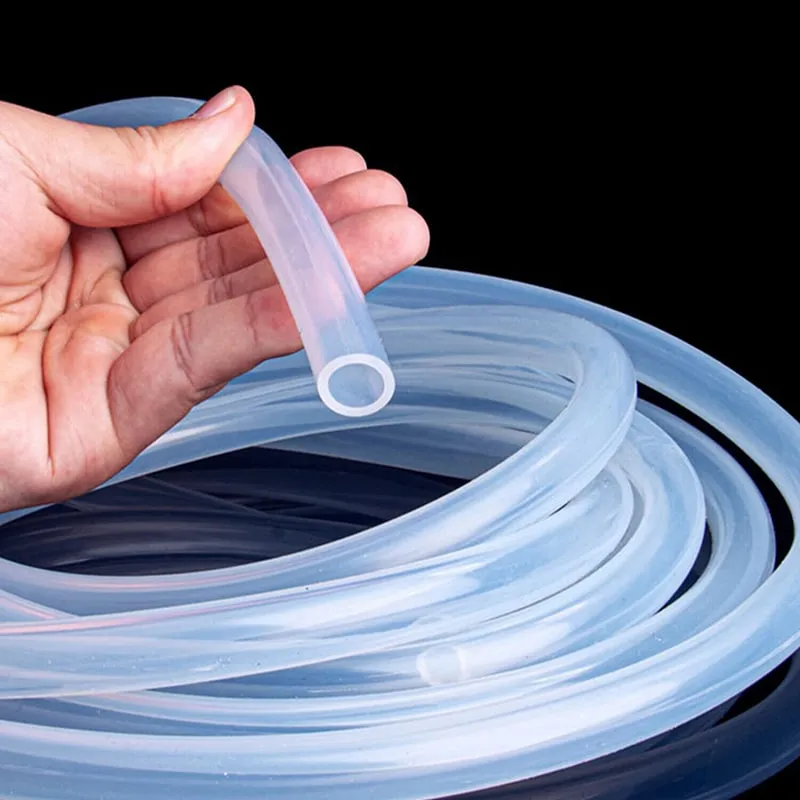
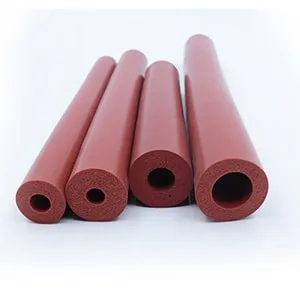
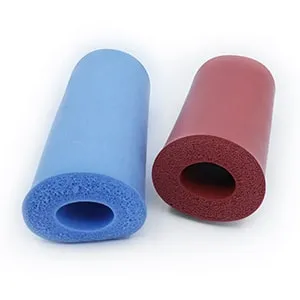
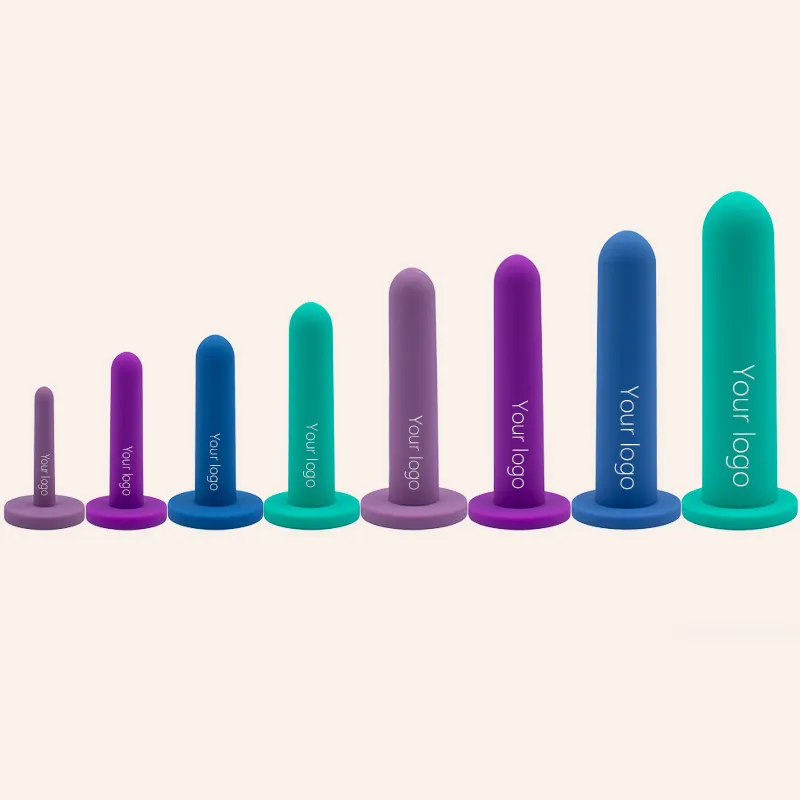
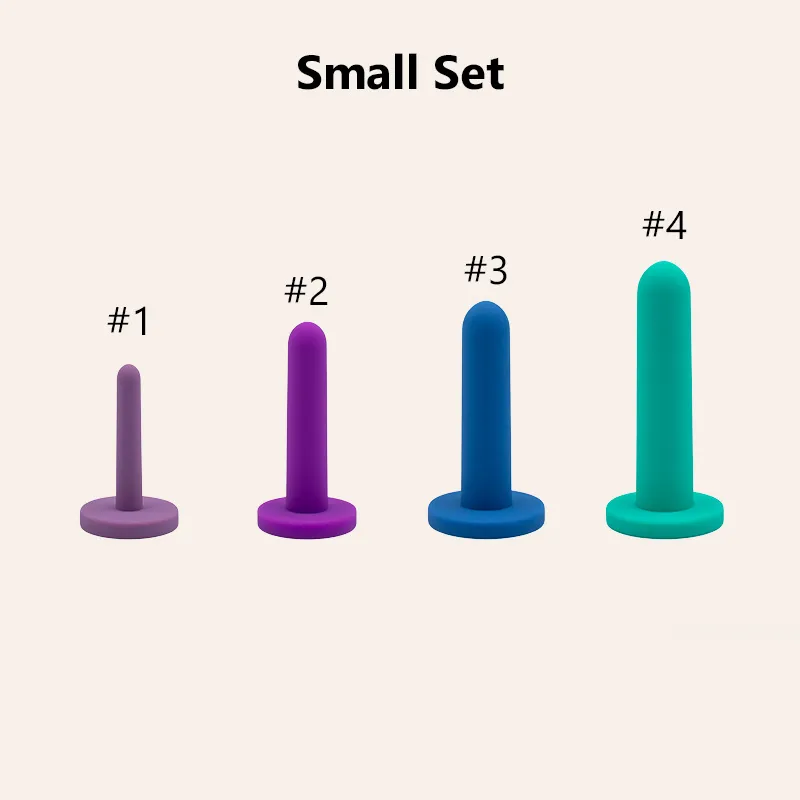
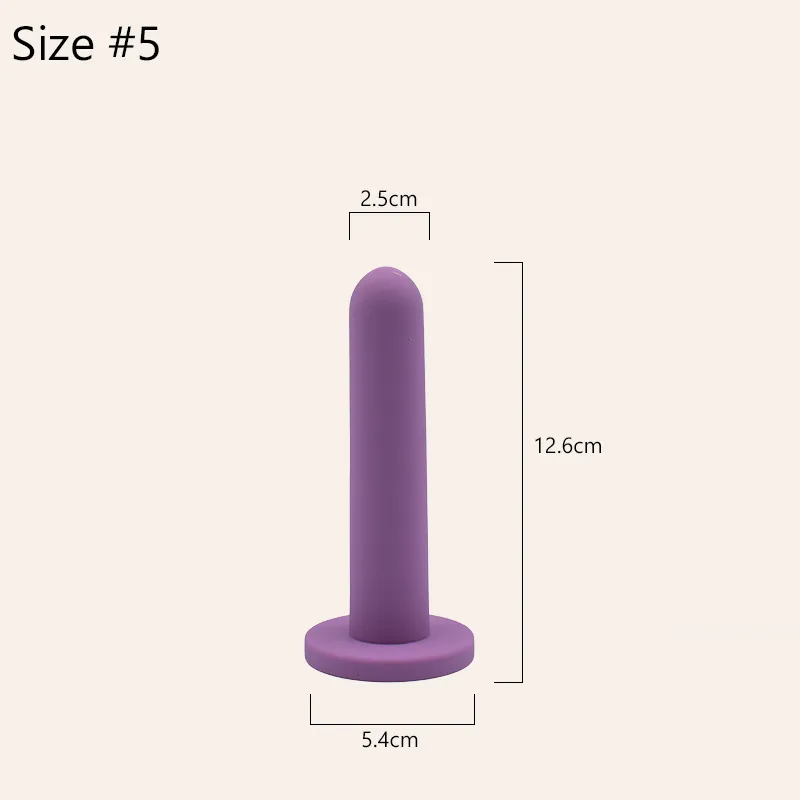
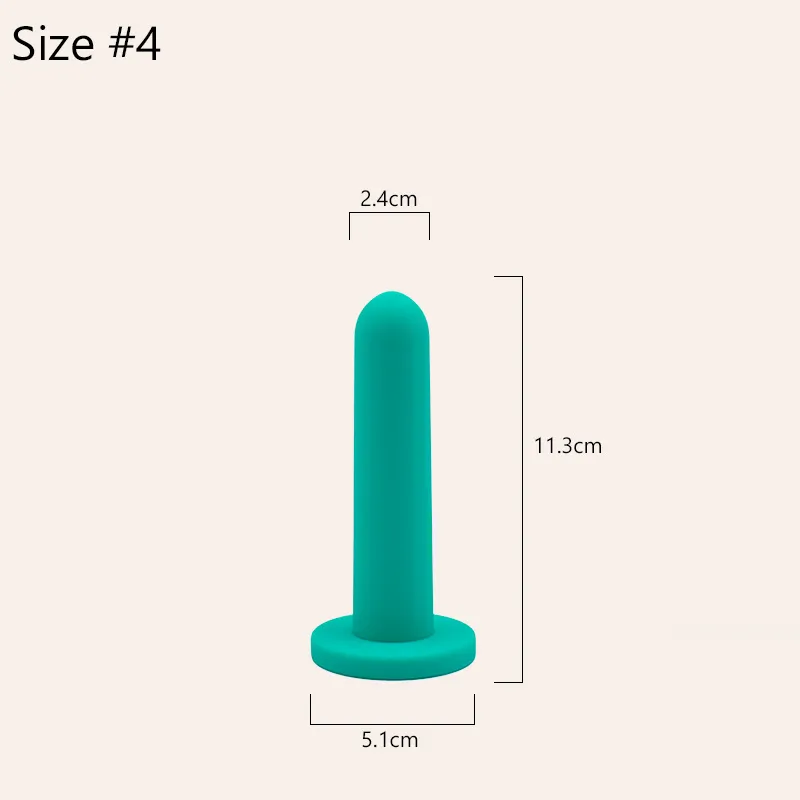
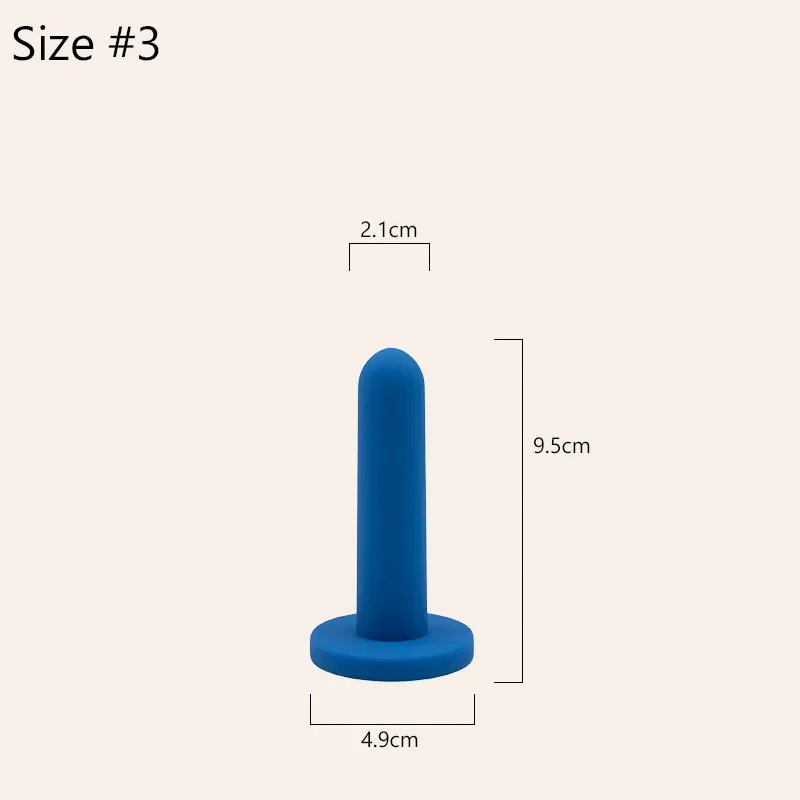
Dilators are cylindrical instruments made from various materials, but as specialists in silicone dilators, we advocate for their superior safety and comfort. Silicone dilators are hypoallergenic, body-safe, and easy to clean, making them ideal for sensitive tissues. They come in sets of graduated sizes, allowing users to progress gradually from smaller to larger diameters, which is crucial for conditions like vaginismus or pelvic floor tension. Understanding how to use dilator set devices begins with knowing their design: they are typically smooth, tapered, and may include ergonomic handles for better control.
The primary purpose of dilators is to desensitize and stretch the vaginal canal or pelvic floor muscles, reducing pain and improving flexibility. They are often recommended by healthcare providers for how to use dilators for vulvodynia, a condition characterized by chronic vulvar pain, or for how to use dilators for tight pelvic floor, where muscles are overly contracted. Unlike rigid alternatives, silicone dilators offer gentle resistance and flexibility, mimicking natural tissue response. This makes them effective for how to use pelvic dilators in rehabilitation settings.
As a leading manufacturer, we emphasize customization—silicone dilators can be tailored in size, shape, and firmness to meet individual needs. This personalization enhances the effectiveness of therapy, as one-size-fits-all approaches may not address unique anatomical or medical requirements. When learning dilator how to use, it’s essential to choose high-quality products that prioritize hygiene and durability. Our dilators are designed with user feedback in mind, ensuring they support how to use dilators successfully through intuitive design and educational resources.
Indications for Dilator Use: Vulvodynia, Vaginismus, and Pelvic Floor Disorders
Dilator therapy is indicated for several pelvic health issues, each requiring a tailored approach. For instance, how to use dilators for vulvodynia focuses on reducing hypersensitivity and pain in the vulvar area, often through gradual exposure and relaxation techniques. Vulvodynia patients may experience burning or stinging sensations, and dilators help retrain the nervous system to tolerate touch and pressure. Similarly, how to use dilators for vaginismus addresses involuntary muscle spasms that cause penetration difficulties, using dilators to progressively relax and expand the vaginal opening.
Pelvic floor disorders, such as hypertonic pelvic floor (tight muscles), also benefit from dilator use. How to use dilators for pelvic floor rehabilitation involves gentle stretching to release tension, improve blood flow, and restore muscle elasticity. This can alleviate symptoms like pain during intercourse, urinary urgency, or discomfort from scarring post-surgery. Additionally, dilators are used in post-cancer treatment, menopause management, and for individuals undergoing gender-affirming care. Understanding these indications ensures that how to use vaginal dilators is applied correctly for maximum therapeutic effect.
Healthcare providers often recommend dilators as part of a multidisciplinary plan, including physical therapy and counseling. For conditions like vaginismus, how to use dilators properly involves combining dilator exercises with pelvic floor relaxation techniques, such as deep breathing or biofeedback. As a manufacturer, we collaborate with clinicians to develop dilators that meet these diverse needs, emphasizing safety and efficacy. By addressing keywords like how to use dilators for tight pelvic floor, this content helps users find targeted advice for their specific concerns.
Preparing for Dilator Therapy: Mental and Physical Readiness
Before starting dilator therapy, mental and physical preparation is key to success. Many individuals feel anxiety or fear around how to insert dilator devices, which can hinder progress. Begin by creating a calm, private environment—choose a time when you are relaxed and free from distractions. Practice deep breathing or mindfulness to reduce stress, as tension in the mind often translates to pelvic floor tension. Educate yourself on the process; reading guides like this on how to use dilators can demystify the experience and build confidence.
Physically, ensure you have the right supplies: a water-based lubricant (compatible with silicone dilators), mirrors for visibility if needed, and your dilator set. It’s advisable to start after a warm bath or shower, as heat can relax muscles. Consult with a healthcare provider to confirm the appropriateness of dilator therapy for your condition, especially for how to use dilators for vulvodynia or how to use dilators for vaginismus, where professional guidance is crucial. They can recommend starting sizes and frequency, tailoring the approach to your needs.
As a silicone dilator manufacturer, we stress the importance of hygiene—wash your hands and clean the dilator before each use. Mentally, reframe dilator therapy as a self-care practice rather than a chore. Set realistic goals, such as spending 10-15 minutes daily, and celebrate small milestones. This mindset supports how to use dilators successfully by fostering patience and consistency. Remember, preparation lays the foundation for effective how to use pelvic dilators, making the actual process smoother and more beneficial.
Step-by-Step Guide: How to Use Dilators Properly
Learning how to use dilators properly involves a systematic approach to ensure safety and effectiveness. Follow these steps for a positive experience:
- Step 1: Choose the Right Dilator Size – Start with the smallest size in your set, especially if you are new to therapy or have significant pain. For how to use a dilator set, this gradual progression is essential to avoid discomfort.
- Step 2: Apply Lubricant – Use a generous amount of water-based lubricant on the dilator tip and around the vaginal opening. This reduces friction and eases insertion, addressing concerns about how to insert dilator devices without pain.
- Step 3: Assume a Comfortable Position – Lie on your back with knees bent and feet flat, or try a side-lying position. Use pillows for support to relax the pelvic muscles.
- Step 4: Insert the Dilator Slowly – Gently guide the dilator into the vagina at a slight upward angle toward the tailbone. Breathe deeply and pause if you feel resistance, allowing muscles to relax. This step is core to vaginal dilator how to use techniques.
- Step 5: Hold and Relax – Once inserted, leave the dilator in place for 5-10 minutes, focusing on relaxation. You can gently rotate or move it to stretch tissues, but avoid forcing it.
- Step 6: Remove and Clean – Slowly withdraw the dilator, clean it with mild soap and water, and store it in a dry place.
Repeat this process 3-5 times per week, gradually increasing size as comfort allows. This guide aligns with best practices for how to use dilators for pelvic floor health, emphasizing gentle progression. Consistency is vital for how to use dilators successfully, so track your progress in a journal. If pain persists, consult a healthcare provider to adjust the approach. By mastering these steps, you can effectively navigate how to use vaginal dilators for various conditions.
How to Use Dilators Successfully: Key Strategies and Tips
Achieving success with dilator therapy requires more than just mechanical use; it involves strategic planning and mindset. Here are expert tips for how to use dilators successfully:
- Consistency Over Intensity – Regular, short sessions are more effective than occasional long ones. Aim for 10-15 minutes daily or every other day to build muscle memory and reduce anxiety around how to use dilator set routines.
- Combine with Relaxation Techniques – Integrate deep breathing, pelvic floor drops (Kegels in reverse), or guided imagery during sessions. This enhances the effects of how to use dilators for tight pelvic floor by promoting muscle relaxation.
- Set Realistic Goals – Progress at your own pace; moving up a size may take weeks or months. Celebrate milestones, such as tolerating insertion without pain, to stay motivated.
- Use Pain as a Guide – Mild discomfort is normal, but sharp pain indicates you should stop or downsize. For how to use dilators for vulvodynia, this is crucial to avoid exacerbating sensitivity.
- Incorporate Sexual Wellness – If applicable, use dilators in conjunction with intimacy exercises or counseling to address psychological barriers. This holistic approach supports how to use dilators for vaginismus by linking physical and emotional healing.
As a silicone dilator manufacturer, we recommend choosing high-quality dilators with smooth surfaces and gradual sizing. Poorly designed dilators can hinder progress, so invest in products from reputable sources. Additionally, seek support from healthcare providers or support groups to troubleshoot challenges. By applying these strategies, you can master how to use dilators properly and achieve long-term relief. Success stories often highlight the importance of patience—therapy may take 3-6 months for significant improvement, but the benefits are worth the effort.
Specific Applications: How to Use Dilators for Vulvodynia
Vulvodynia, characterized by chronic vulvar pain without an identifiable cause, can be managed with dilator therapy. How to use dilators for vulvodynia focuses on desensitizing the vulvar and vaginal tissues to reduce pain perception. Start with the smallest dilator, as hypersensitivity is common. Apply lubricant generously and insert very slowly, pausing at the first sign of discomfort. The goal is not deep penetration but gentle contact to retrain the nervous system.
Combine dilator use with topical treatments if recommended by a doctor, such as lidocaine gel, to numb the area temporarily. During sessions, practice mindfulness to dissociate pain from fear, which is key for how to use dilators successfully in vulvodynia. Progress gradually, increasing size only when you can tolerate the current one without burning or stinging. This approach aligns with how to use vaginal dilators for pain conditions, emphasizing sensitivity over stretching.
As a manufacturer, we design silicone dilators with ultra-smooth finishes to minimize irritation for vulvodynia patients. Therapy frequency should be 3-4 times weekly, with sessions lasting 5-10 minutes initially. Track symptoms in a diary to monitor improvements, such as reduced pain during daily activities. Remember, vulvodynia management often requires a multifaceted plan, so use dilators alongside physical therapy or medication. By following these guidelines, you can effectively address how to use dilators for vulvodynia and reclaim comfort.
Specific Applications: How to Use Dilators for Vaginismus
Vaginismus involves involuntary muscle spasms that make penetration painful or impossible, and dilator therapy is a cornerstone of treatment. How to use dilators for vaginismus requires a patient, stepwise approach to overcome muscle guarding. Begin by familiarizing yourself with the dilator set—touch and hold the smallest size outside the body to reduce fear. Use relaxation techniques like deep breathing before attempting insertion, as anxiety can trigger spasms.
Insert the dilator slowly, stopping at any resistance. Instead of pushing through, gently bear down as if having a bowel movement to relax the pelvic floor. Hold the dilator in place for several minutes, focusing on releasing tension. This process is central to how to use pelvic dilators for vaginismus, aiming to increase muscle control and tolerance. Progress to larger sizes only when you can insert and retain the current one without pain, which may take weeks per size.
As a silicone dilator manufacturer, we recommend dilators with tapered tips for vaginismus, as they ease entry. Incorporate pelvic floor physical therapy if possible, using dilators as a home exercise tool. Consistency is vital; practice 5-6 times weekly for 15-20 minutes to reinforce muscle memory. Avoid rushing—success in how to use dilators for vaginismus comes from gradual exposure. Many patients find that combining dilator use with cognitive-behavioral therapy addresses underlying psychological factors, enhancing outcomes.
Specific Applications: How to Use Dilators for Pelvic Floor Issues
Pelvic floor issues, such as hypertonicity (tight muscles) or pain syndromes, benefit from dilator therapy to restore muscle elasticity. How to use dilators for pelvic floor rehabilitation involves stretching and relaxing contracted muscles. Start with a small dilator, inserting it gently while performing pelvic floor drops—imagine letting go of tension as you exhale. Hold the dilator in place for 10-15 minutes, allowing muscles to adapt to the stretch.
For how to use dilators for tight pelvic floor, focus on gentle movement: once inserted, slowly rotate the dilator or tilt it side-to-side to massage internal tissues. This improves blood flow and reduces trigger points. Combine dilator use with external stretches, such as butterfly poses or hip openers, to enhance flexibility. Progress through sizes as comfort increases, but prioritize relaxation over size achievement. This approach is key to how to use dilators properly for pelvic health.
As a manufacturer, we emphasize the durability of silicone dilators for repeated use in pelvic floor therapy. Frequency should be 4-5 times weekly, with sessions integrated into a broader physical therapy regimen. Monitor symptoms like pain reduction or improved bladder control to gauge progress. Remember, pelvic floor issues often stem from habits like poor posture or stress, so address these holistically. By mastering how to use dilators for pelvic floor disorders, you can alleviate discomfort and improve functional mobility.
Using a Dilator Set: Transitioning Through Sizes
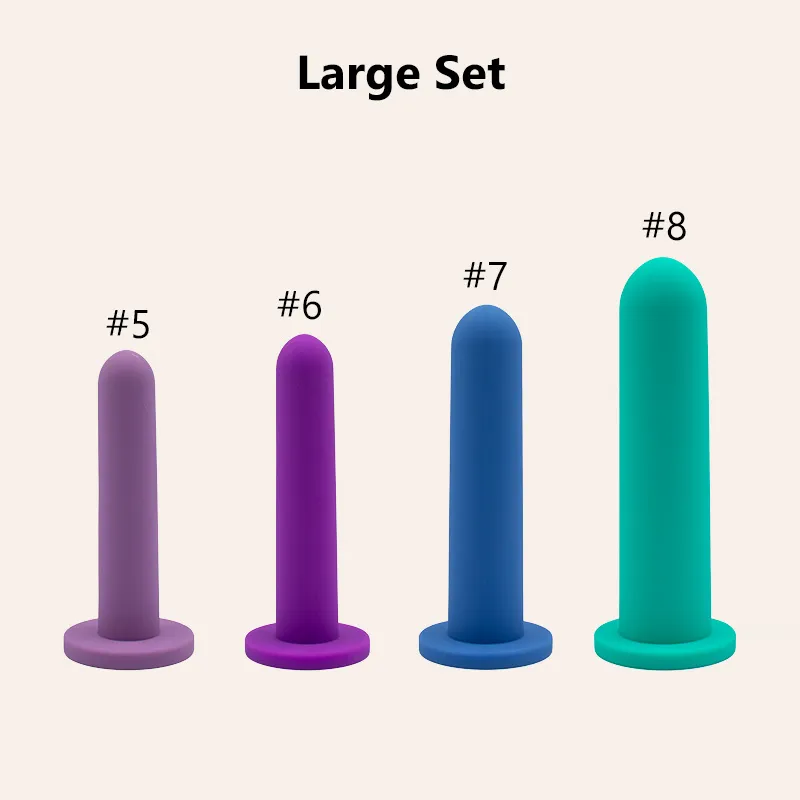
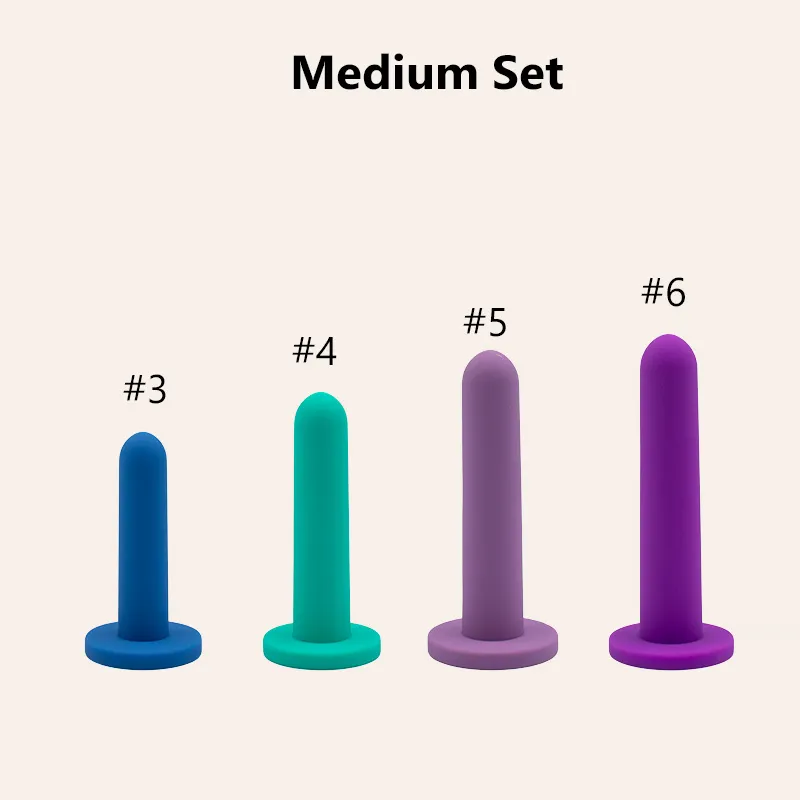
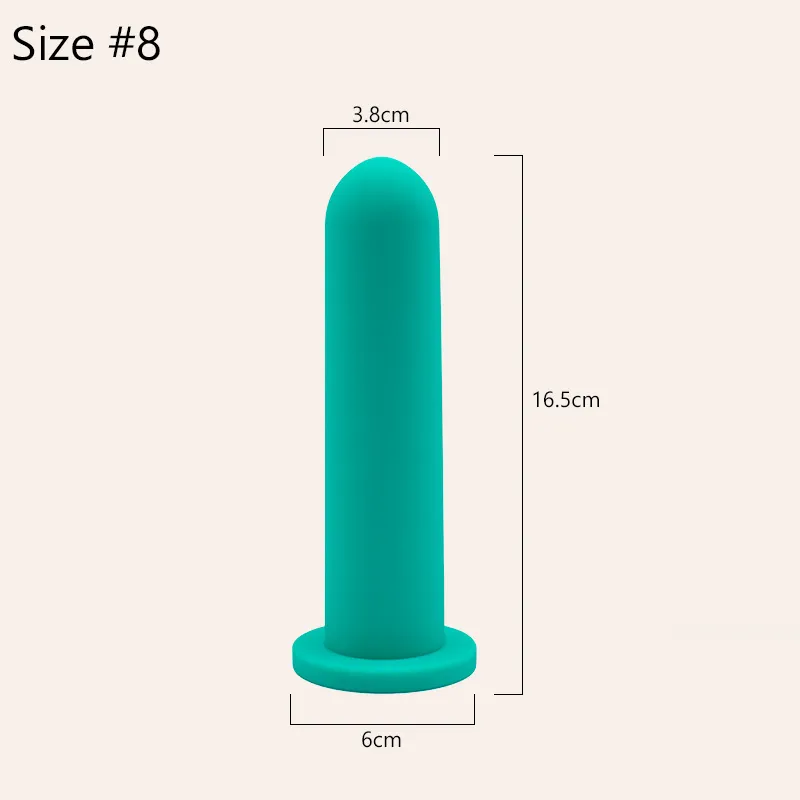
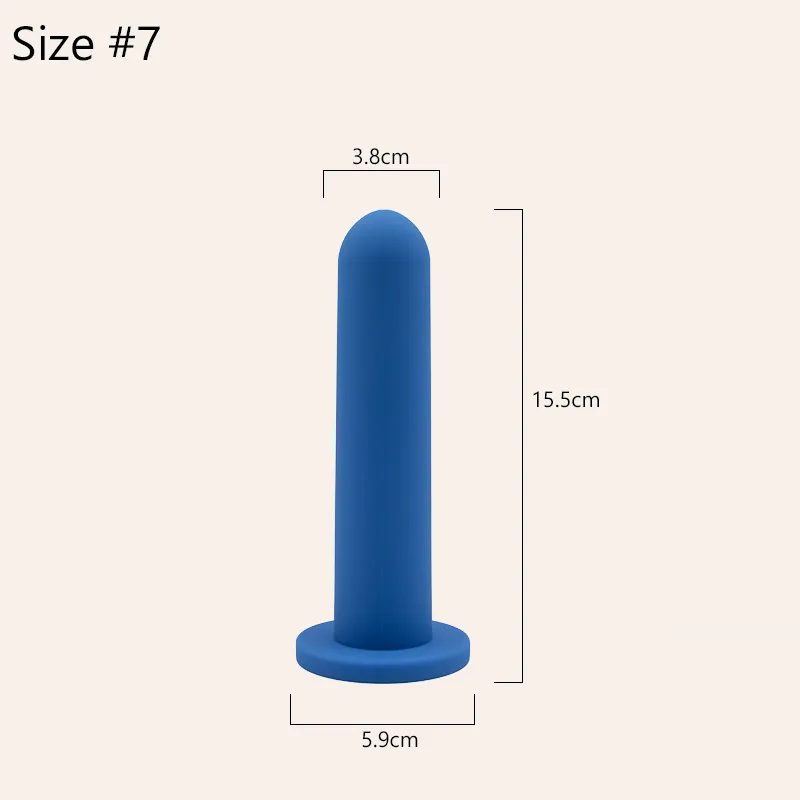
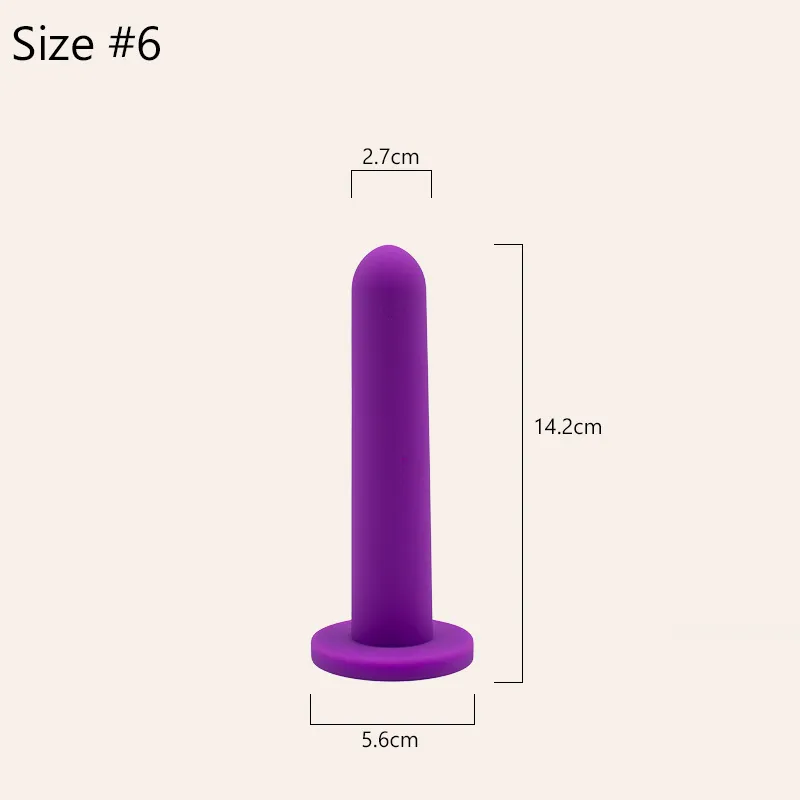
A dilator set typically includes 4-8 graduated sizes, and knowing how to use a dilator set effectively is crucial for progress. Start with the smallest diameter, using it until you feel comfortable with insertion and retention—this may take 1-2 weeks. Signs of readiness for the next size include minimal discomfort, easy insertion, and a desire for more stretch. When moving up, apply extra lubricant and insert slowly, pausing if pain occurs. If the new size feels too challenging, revert to the previous one for a few more sessions.
This transitional process is essential for conditions like vaginismus or post-surgical scarring, where gradual adaptation is needed. For how to use dilator set devices, maintain a routine: use each size 3-5 times before advancing, ensuring consistent progress. Keep a log to track sizes used, duration, and any discomfort, which helps tailor therapy. As a silicone dilator manufacturer, we design sets with incremental increases (e.g., 0.25-inch diameter steps) to avoid overwhelming jumps.
Additionally, consider using the larger sizes for maintenance after achieving your goal, to prevent regression. For how to use dilators successfully, patience during transitions is key—rushing can cause setbacks or injury. Consult a healthcare provider if you plateau, as they may recommend techniques like gentle pressure or longer holds. By mastering how to use a dilator set, you can systematically address pelvic health issues and achieve lasting results.
How to Insert a Dilator: Techniques for Comfort and Efficacy
Insertion is often the most daunting part of dilator therapy, but with proper techniques, it becomes manageable. How to insert dilator devices starts with lubrication: apply water-based lubricant to the dilator tip and vaginal opening. Position yourself comfortably—lying on your back with knees bent is common, but you can also try squatting or standing with one leg elevated. Use a mirror to visualize the area if needed, reducing uncertainty.
Gently part the labia and guide the dilator inward at a 45-degree angle toward the lower back. Breathe deeply as you insert, exhaling to relax pelvic muscles. If you encounter resistance, pause and apply gentle pressure without forcing. For how to use vaginal dilators, this slow approach minimizes pain and prevents muscle spasms. Once inserted, hold the dilator steady or make small circular motions to stretch tissues, focusing on relaxation.
For those with conditions like vulvodynia, how to insert dilator may involve brief, shallow insertions initially to build tolerance. Use cognitive distractions, such as listening to music, to reduce anxiety. As a manufacturer, we design dilators with rounded tips for easy insertion, enhancing user experience. Practice regularly to improve skill and confidence—insertion becomes easier over time. Remember, proper technique is foundational for how to use dilators properly, so take your time and seek guidance if needed.
Common Mistakes and How to Avoid Them
Avoiding common mistakes can enhance the effectiveness of dilator therapy and prevent setbacks. One error is skipping sizes in a set, which can cause pain or muscle tearing. Always follow a gradual progression for how to use dilator set devices, even if you feel impatient. Another mistake is using insufficient lubricant, leading to friction and irritation. Apply liberally, and reapply during sessions if needed, especially for how to use dilators for vulvodynia where sensitivity is high.
Ignoring pain is a critical mistake—while mild discomfort is normal, sharp pain signals to stop. Adjust your technique or size, and consult a professional if pain persists. Rushing sessions is also problematic; dedicate enough time for relaxation, as hurried use undermines how to use dilators successfully. Additionally, poor hygiene, such as not cleaning dilators before and after use, can cause infections. As a silicone dilator manufacturer, we emphasize easy cleaning with soap and water.
Neglecting mental preparation is another pitfall. Anxiety can tense muscles, so incorporate relaxation exercises. For how to use dilators for vaginismus, psychological barriers are common, so address them through therapy or support groups. Finally, inconsistency hinders progress; set a schedule and stick to it. By avoiding these mistakes, you can master how to use dilators properly and achieve therapeutic goals efficiently.
Maintenance and Care: Keeping Your Silicone Dilators Safe
Proper maintenance ensures the longevity and safety of your dilators. As a silicone dilator manufacturer, we recommend cleaning before and after each use with mild soap and warm water. Avoid harsh chemicals or boiling, as they can degrade silicone. Dry thoroughly with a clean towel and store in a cool, dry place—many sets come with pouches for protection. Regularly inspect for cracks or roughness, which can harbor bacteria; replace if damaged.
For how to use vaginal dilators hygienically, never share dilators, as this risks infection. If using lubricants, choose water-based ones compatible with silicone; oil-based products can break down the material. When traveling, carry dilators in a sealed case to keep them clean. This care routine supports how to use dilators successfully by preventing complications like irritation or infection.
Additionally, follow manufacturer guidelines for storage—keep away from direct sunlight or extreme temperatures. For how to use a dilator set, label sizes if not color-coded to avoid confusion. As part of therapy, integrate cleaning into your routine to foster a sense of care and commitment. By maintaining your dilators properly, you ensure they remain effective tools for pelvic health, whether for how to use dilators for pelvic floor issues or other conditions.
Conclusion: Empowering Your Journey with Dilators
Dilator therapy is a powerful tool for addressing pelvic health challenges, from vulvodynia and vaginismus to tight pelvic floor muscles. By learning how to use dilators properly, you can take control of your well-being and reduce pain. This guide has covered essential aspects, including how to insert dilator devices, how to use a dilator set, and strategies for success. Remember, patience and consistency are key—progress may be slow, but each step forward is a victory.
As a leading silicone dilator manufacturer, we are committed to providing high-quality, customizable products that support your journey. Whether you’re exploring how to use dilators for vulvodynia or how to use dilators for vaginismus, our expertise ensures you have the resources needed for success. Combine dilator use with professional healthcare advice for optimal results, and don’t hesitate to seek support from communities or therapists.
We hope this comprehensive guide empowers you to use dilators confidently. By integrating keywords like vaginal dilators how to use and how to use dilators for pelvic floor, we aim to make this information accessible to those in need. Take the first step today—embrace dilator therapy as a path to healing and reclaim your comfort and quality of life.