LSR Injection Molding: A Comprehensive Guide
Introduction to LSR Injection Molding
What is Liquid Silicone Rubber Injection Molding?
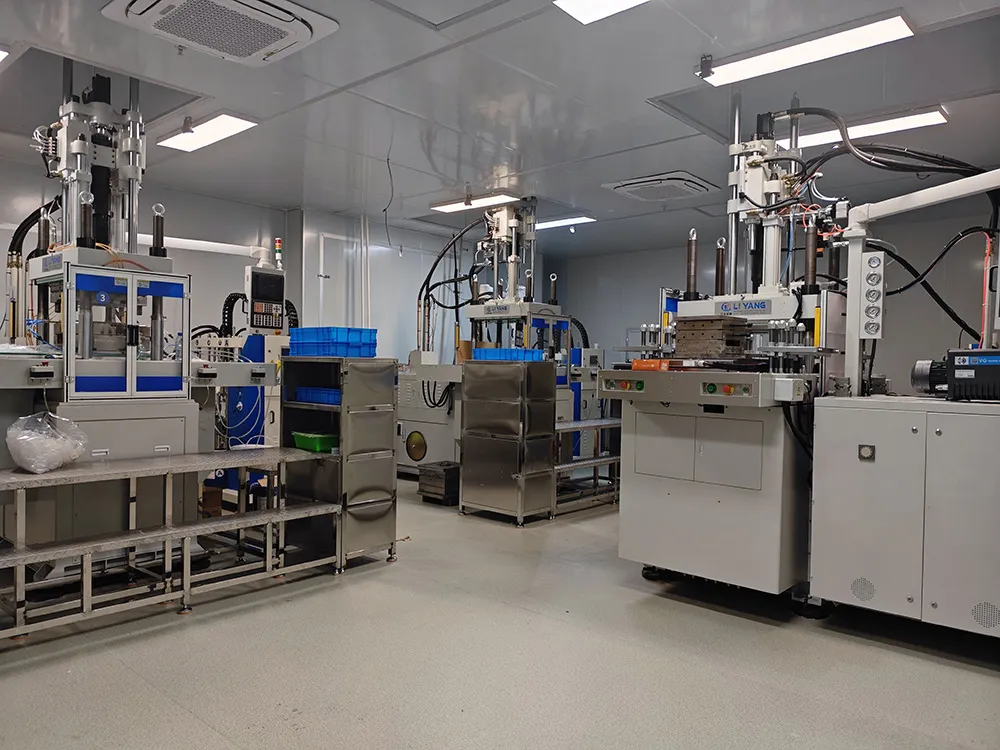
Liquid silicone rubber injection molding (also called LSR injection molding) is a process that meters and mixes two liquid silicone components (often called A and B) and injects the reactive blend into a heated mold where it cures into an elastomer part; because the material begins as a low-viscosity fluid, the method is well suited to thin walls, fine features, and integrated sealing geometry, and it’s commonly referred to as lsr injection molding in manufacturing teams.
Why Liquid Silicone Rubber is Gaining Popularity
Liquid silicone rubber is gaining popularity because OEMs want parts that combine cleanability, durability, and repeatable automation—especially where sealing, tactile feel, or vibration damping must hold up over long life; as devices become more compact and multi-material (connectors, sensors, wearables), the ability to form complex elastomer features in one shot reduces assembly steps and variability.
Key Properties of Liquid Silicone Rubber (LSR)
LSR is valued for stable elastic recovery, broad temperature performance, and resistance to UV/ozone and many common chemicals, which makes it a reliable choice for harsh-environment interfaces; from a manufacturing perspective, its low viscosity helps fill micro-features and replicate surface textures, while the cured network supports sealing performance when parts see repeated compression or thermal cycling.
Differences Between LSR and Traditional Injection Molding
The biggest difference from thermoplastic injection molding is how the part “solidifies”: thermoplastics are melted and then cooled, while LSR cures via a chemical reaction in a heated cavity, so tooling and process controls are tuned for cure kinetics, venting, and flash prevention rather than melt cooling; Plastics Technology’s overview of how LSR tooling differs highlights why cold-deck runners, vacuum/venting strategy, and ultra-tight shut-offs matter.
The Liquid Silicone Molding Process Explained
Step-by-Step Liquid Silicone Injection Process
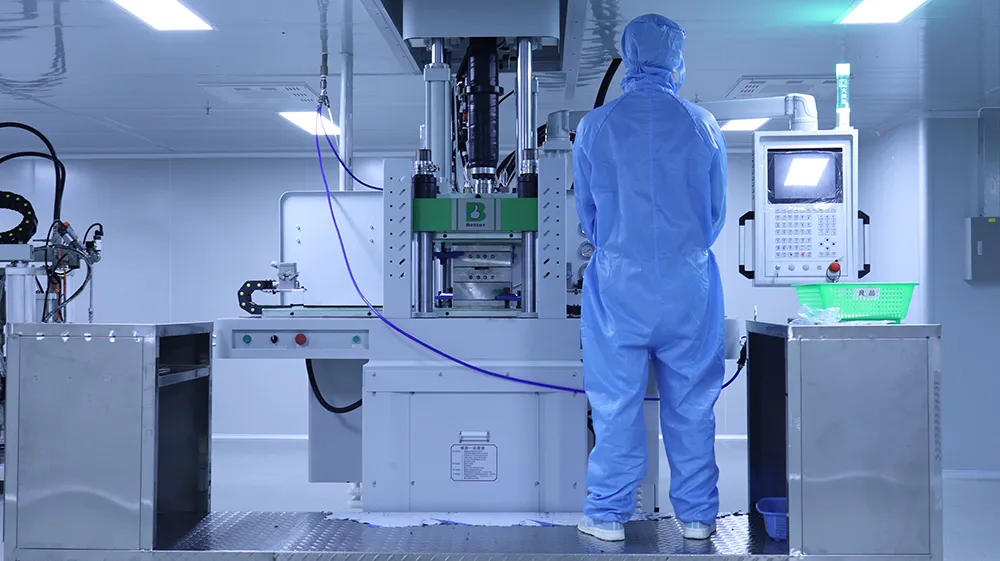
A typical liquid silicone injection flow looks like this:
-
Bulk material supply
-
Metering A/B
-
Mixing (plus color/additive dosing if needed)
-
Injection into the cavity
-
In-mold curing
-
Demolding
-
Finishing such as deflashing and optional post-cure
The practical goal isn’t just completing the steps, but controlling each one so cure is complete, dimensions are stable, and surfaces are free of flash, burns, or contamination.
Material Preparation and Mixing in LSR Silicone Molding
In lsr silicone molding, preparation focuses on keeping the A and B streams clean, accurately proportioned, and thoroughly mixed, because ratio drift or poor dispersion can show up as tacky surfaces, weak mechanical zones, or inconsistent cure across cavities; closed transfer systems, disciplined changeovers, and documented material lot traceability are common expectations in regulated or high-reliability programs.
Injection, Curing, and Cooling Stages
After mixing, the material is injected through a runner system into a hot cavity where it cures rapidly; unlike thermoplastics, “cooling” is mainly about managing temperature separation—keeping runners cold enough to avoid premature cure while maintaining a stable cavity temperature for repeatable vulcanization—so process stability depends on thermal balance, clamp force, and consistent fill/pack behavior tailored to the tool.
Quality Control in the Liquid Silicone Molding Process
Quality control in the liquid silicone molding process typically combines in-process monitoring (ratio, temperature, pressure/time windows) with part verification (visual defects, critical dimensions, functional checks like sealing or fit), because many failures trace back to subtle shifts in venting, shut-off wear, or material handling; for medical devices, the FDA’s ISO 10993-1 guidance is a helpful reminder that biocompatibility is evaluated for the finished device under intended use, not granted by a molding method alone.
Key Benefits of LSR Injection Molding
Precision and Consistency in LSR Silicone Molding
Precision comes from combining low-viscosity fill with a highly automated process window: once tooling, venting, and cure parameters are validated, output can be consistent across long runs, which reduces assembly variation for gaskets, diaphragms, and interface parts; for quality teams, the value is repeatability and predictable inspection results rather than chasing intermittent flash or undercure.
High Durability and Resistance to Extreme Conditions
LSR parts tend to perform well where temperature cycling, weathering, and harsh exposure would embrittle or permanently deform softer alternatives, making them common in under-hood sealing, outdoor enclosures, and industrial equipment; durability still depends on grade selection and service chemistry, so material choice should be tied to the real environment (fluids, cleaners, UV load, compression profile) rather than generic claims.
Biocompatibility for Medical and Food-Grade Applications
Many programs choose liquid silicone rubber injection molding for medical and food-contact components because silicone can be formulated and tested for those environments, but compliance should be communicated precisely: material test data may reference USP Class VI or specific ISO 10993 endpoints, while the device’s final configuration drives the required evaluation; the practical comparison in ISO 10993 vs USP Class VI is useful when setting evidence expectations.
Design Flexibility for Complex Parts
Design flexibility is a core advantage of lsr injection molding: thin walls, micro-texture, sealing ribs, and compliant features can often be molded directly, enabling designers to “build in” function like ingress protection or vibration isolation; the tradeoff is that complex geometry raises the bar for DFM, because gate location, venting paths, and shut-offs determine whether you get clean parts or chronic flash and trapped air.
Cost Efficiency in High-Volume Production
At volume, cost efficiency usually comes from automation and stability: fewer manual steps, predictable cycle behavior, and less rework when the process is well controlled; tooling and validation can be more demanding than simpler methods, but for repeated, high-count elastomer parts, liquid silicone molding often delivers a more stable total cost of ownership than labor-heavy molding routes.
Applications of Liquid Silicone Injection
Medical and Healthcare Products
Medical and healthcare applications include seals, valves, diaphragms, and patient-contact interfaces where cleanliness, repeatability, and documentation matter; teams often focus on surface integrity, particulate control, and change management, because seemingly small defects can become leakage risk, performance drift, or audit friction once the component is part of a regulated device.
Automotive and Transportation Components
Automotive applications commonly include connector seals, grommets, sensor boots, and protective interfaces that must tolerate heat, fluids, and vibration; liquid silicone injection is attractive here because elastomeric recovery supports long-term sealing, and process repeatability helps maintain consistent lip geometry and fit across platform-scale volumes.
Consumer Electronics and Wearables
In electronics and wearables, liquid silicone rubber injection molding supports water-resistant sealing, soft-touch skins, and button covers where thin sections and precise fit influence IP performance and user feel; because these parts often mate to plastics or metals, material compatibility and surface/assembly strategy are treated as system decisions, not just a single material choice.
Baby Products and Food-Grade Items
For baby products and food-contact items, the focus is typically on selecting a food-grade formulation, controlling contamination risk, and documenting compliance evidence appropriate to the market; in practice, success depends on disciplined material handling, stable cure, and consistent surface finish so parts remain functional and easy to clean through repeated use and washing.
Industrial Seals and Engineering Components
Industrial sealing and engineering components—O-rings, gaskets, bellows, and protective boots—use silicone for weathering stability and elastic function, especially where ozone/UV exposure or temperature swings age other elastomers; to get the full benefit, groove design, clamp loads, and compression targets must be engineered for silicone’s mechanical behavior, not assumed from other rubber families.
LSR Injection Molding vs Other Manufacturing Methods
Here’s a quick comparison to help you decide which process fits your part requirements:
|
Method |
Best for |
Strengths |
Tradeoffs / watchouts |
|
LSR injection molding |
Seals, gaskets, diaphragms, soft-touch interfaces, thin-wall elastomer geometry |
Automated, repeatable dosing/mixing; fills fine features; fast in-mold cure; stable elastic recovery for sealing |
Tooling and process setup are more demanding; flash control relies on venting and ultra-tight shut-offs |
|
Thermoplastic injection molding |
Rigid structural parts, housings, frames |
Efficient for high-volume rigid parts; wide resin selection; well-understood tooling/cooling design |
Not suited when the feature must remain elastomeric (sealing/damping), often requiring extra gaskets/assembly |
|
Compression molding |
Simpler elastomer parts, lower volumes |
Lower tooling complexity; workable for basic geometries |
More manual handling and typically longer cycles; repeatability can vary vs injection-based processes |
Comparison with Thermoplastic Injection Molding
Thermoplastic injection molding is typically the best fit for rigid structural parts and housings, while LSR is chosen when elastic function (sealing, damping, tactile response) is required, often reducing the need for separate gaskets or assemblies; for teams comparing options, the practical question is which features must be elastomeric and which can remain rigid, then designing the interface accordingly.
LSR vs Compression Molding
Compression molding can be practical for lower volumes or simpler elastomer geometries, but it often involves more manual handling and longer cycles; liquid silicone molding is usually preferred when you need scalable automation, tighter repeatability, or complex features that benefit from controlled injection and in-mold cure, with the understanding that tooling sophistication and process setup effort are higher.
When to Choose Liquid Silicone Rubber Injection Molding
Choose liquid silicone rubber injection molding when the program needs repeatable elastomer performance at scale—especially for tight assembly fits, complex sealing features, or regulated documentation requirements—and when the business case supports investment in tooling and validation; consider alternatives when volumes are low, lead time is dominated by tooling, or the part can meet requirements with simpler molding without introducing unacceptable variation.
More information about Plastic Injection molding vs. LSR Injection Molding vs. Overmolding
Design Considerations for LSR Silicone Molding
Material Selection and Performance Requirements
Material selection should start from function: durometer, compression set needs, tear resistance, temperature/chemical exposure, and any medical or food-contact constraints, then incorporate processing factors such as cure speed and pigment/additive compatibility; for regulated products, it’s good practice to treat material reports as supporting inputs to the device’s risk-based evaluation rather than as a substitute for final validation.
Mold Design for Liquid Silicone Injection
Mold design for liquid silicone injection is driven by venting, shut-off strategy, gate placement, and temperature management (often a cold runner feeding a heated cavity), because the low-viscosity material will flash through tiny gaps and trapped air can cause burns, voids, or short shots; early DFM alignment between part geometry and tooling approach is one of the fastest ways to de-risk launch and stabilize yield.
Common Design Challenges and Solutions
Common challenges (and practical mitigations) include:
-
Flash at parting lines → improve shut-off design and maintain tooling wear control
-
Air entrapment → balance gating/venting and use cavity evacuation when appropriate
-
Cure inconsistency from thermal imbalance → tighten temperature control and validate thermal balance across cavities
-
Dimensional measurement difficulty (soft parts deform under probes) → use fixtures or optical methods so measurements correlate to real functional fit
Conclusion: Why LSR Injection Molding is the Future
Key Takeaways on LSR Injection Molding Benefits
LSR injection molding is increasingly used because it combines elastomer performance with automation-friendly repeatability: controlled mixing and injection, fast in-mold cure, and consistent output for parts that seal, protect, and interface with other materials; when process controls and tooling fundamentals (venting, shut-offs, thermal management) are treated as a system, the method reduces quality risk in high-reliability and regulated programs.
Choosing the Right Liquid Silicone Injection Partner
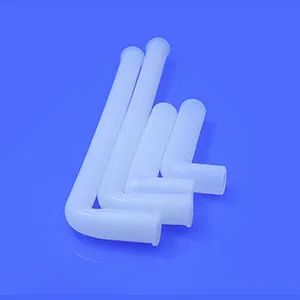
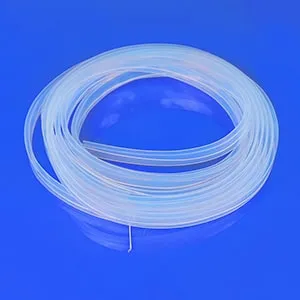
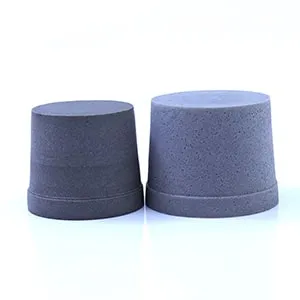
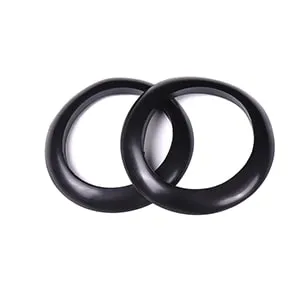
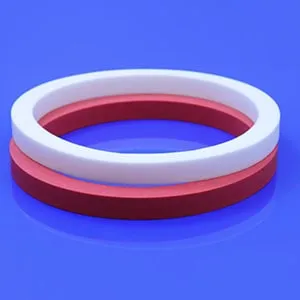
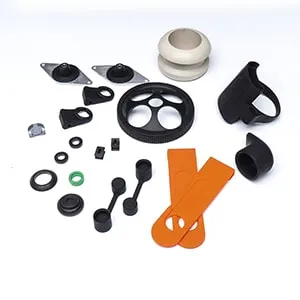
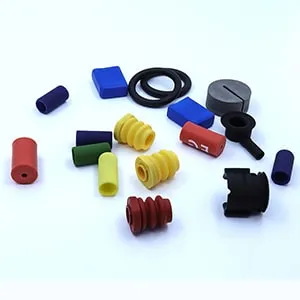
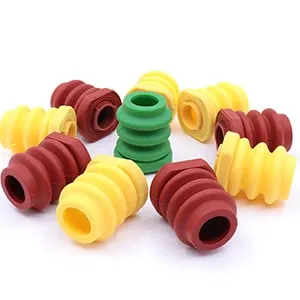
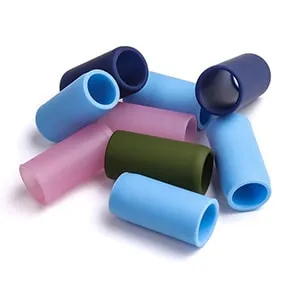
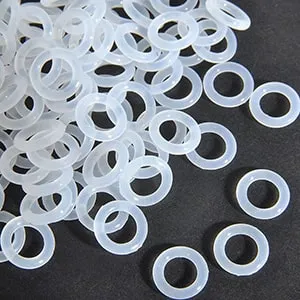
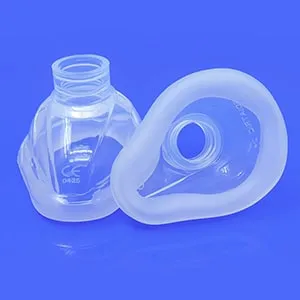
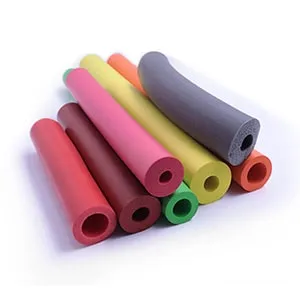
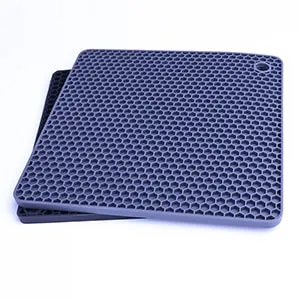
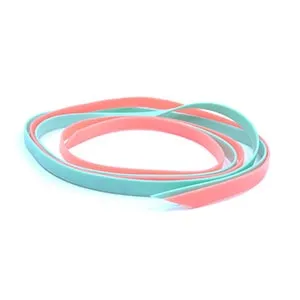
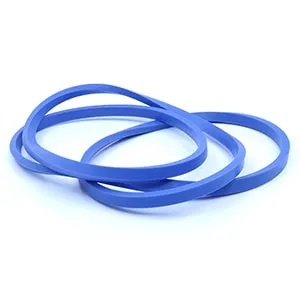
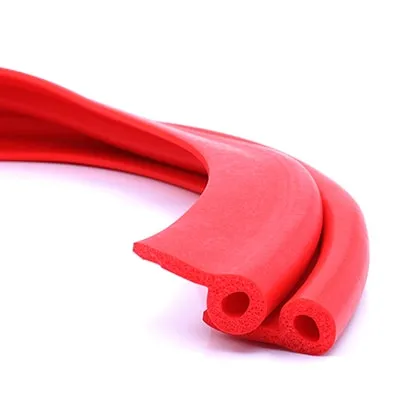
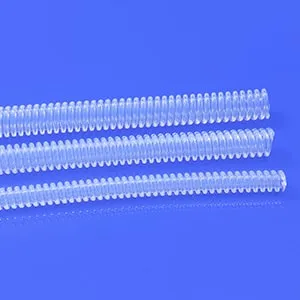
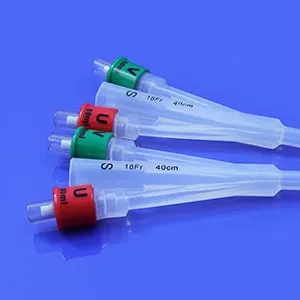
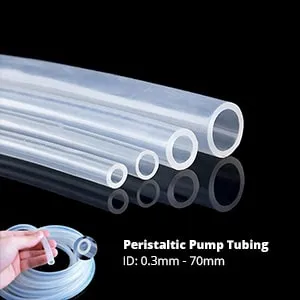
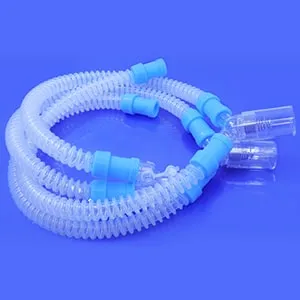
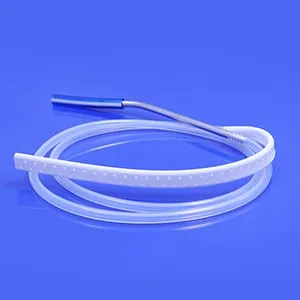
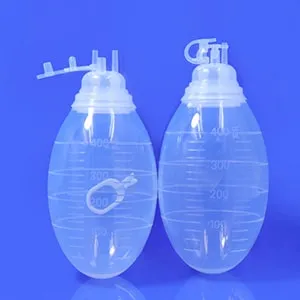
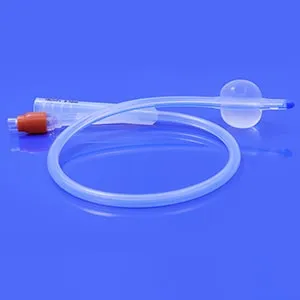
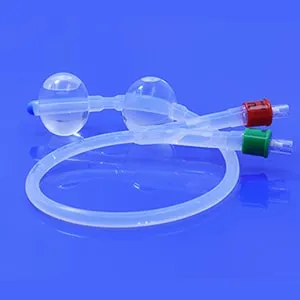
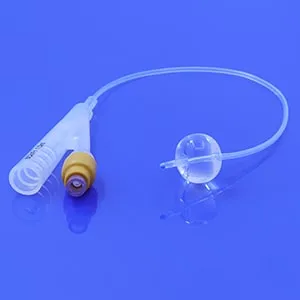
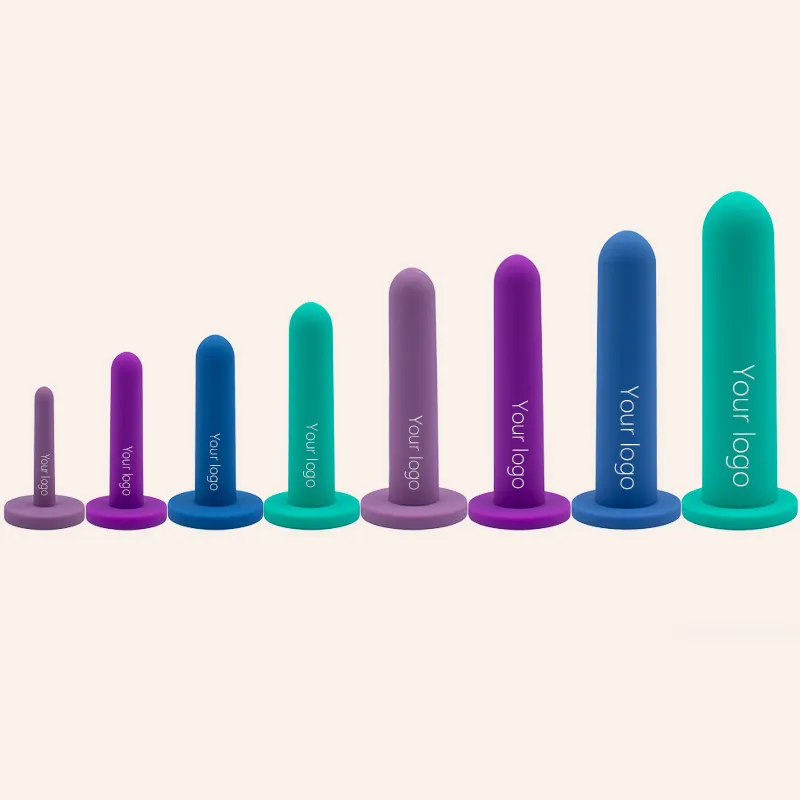
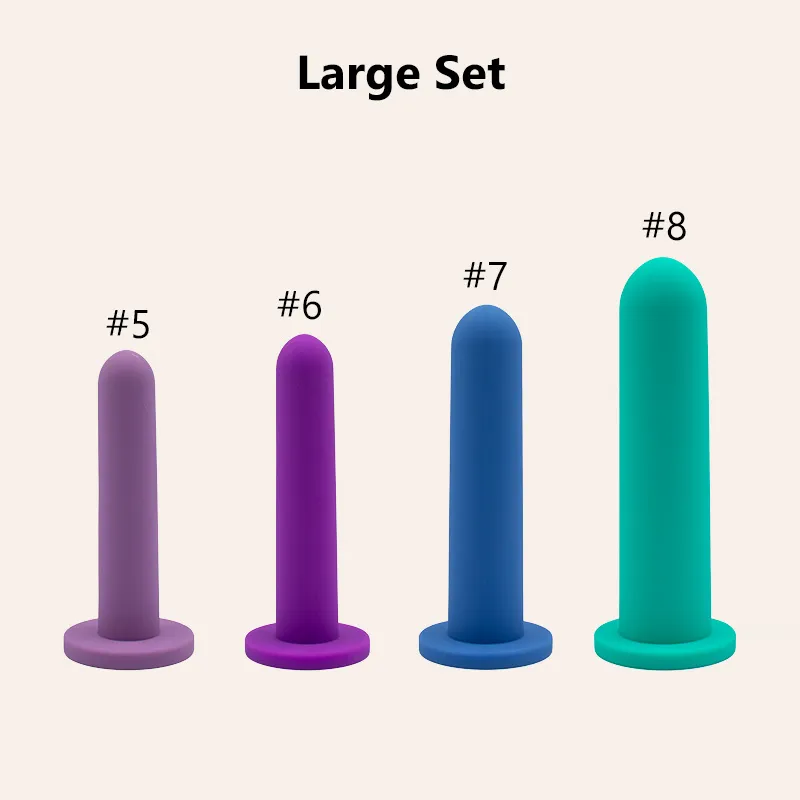
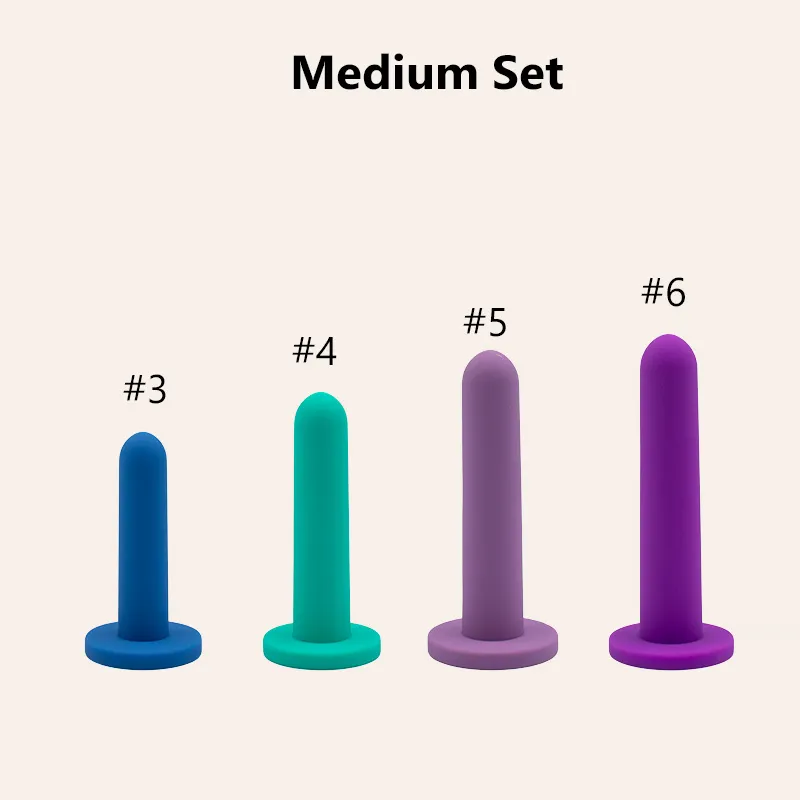
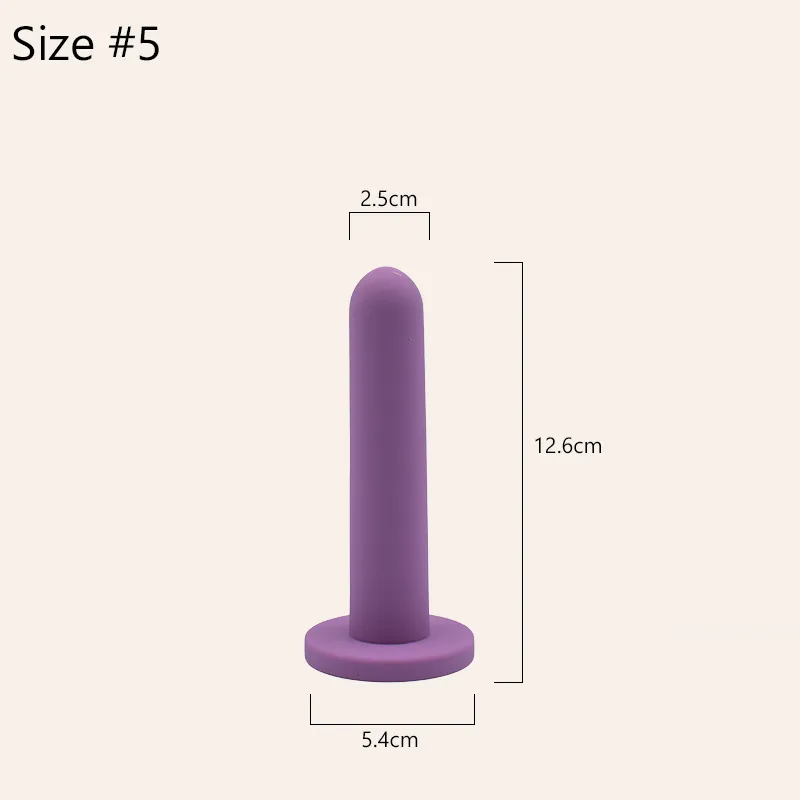
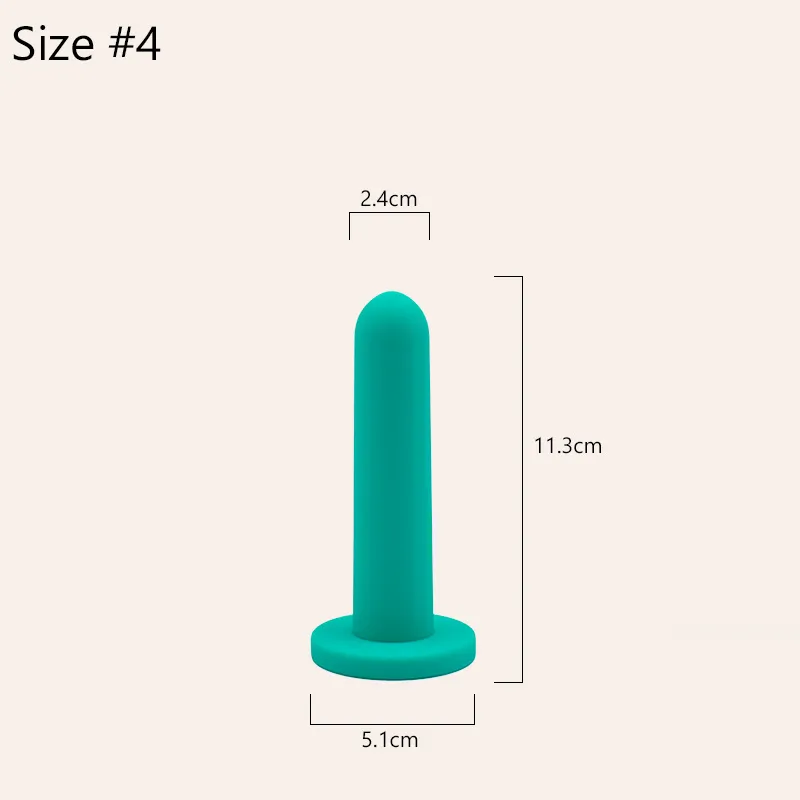
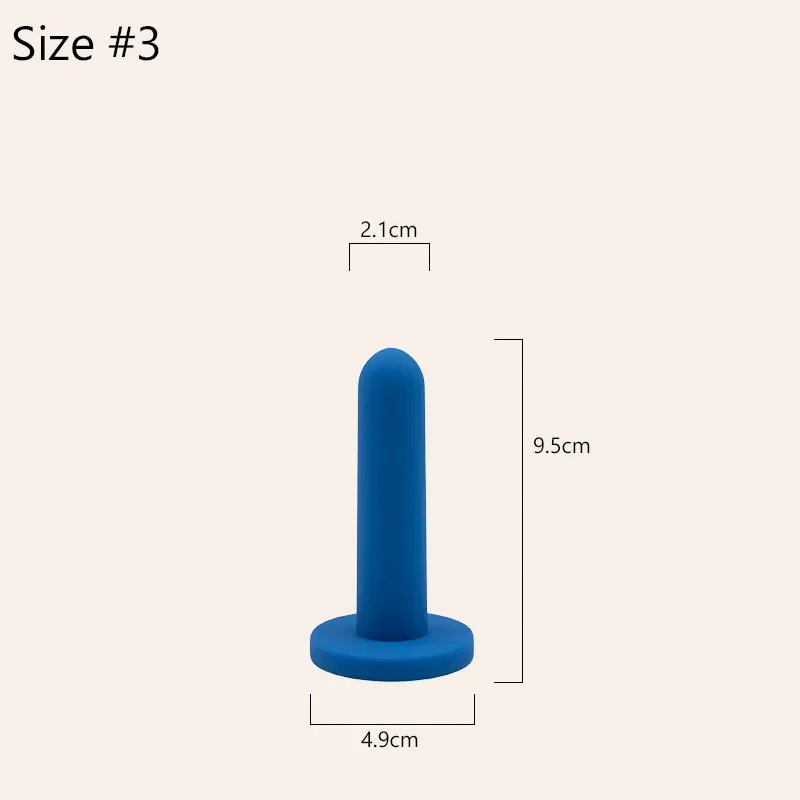
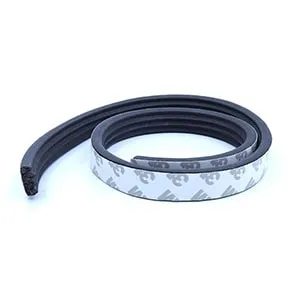
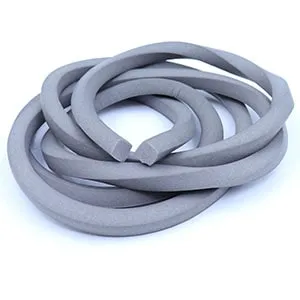
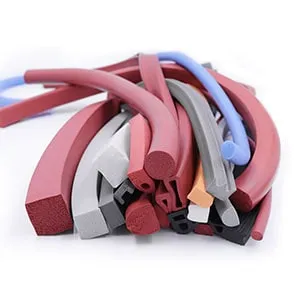
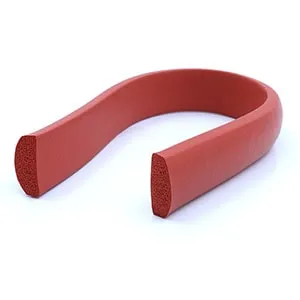
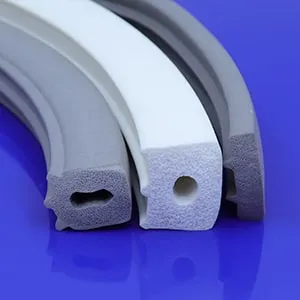
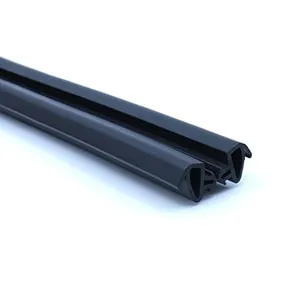
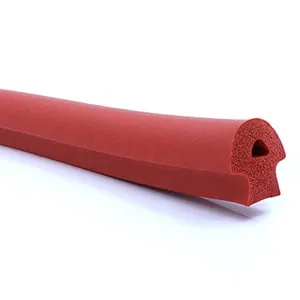
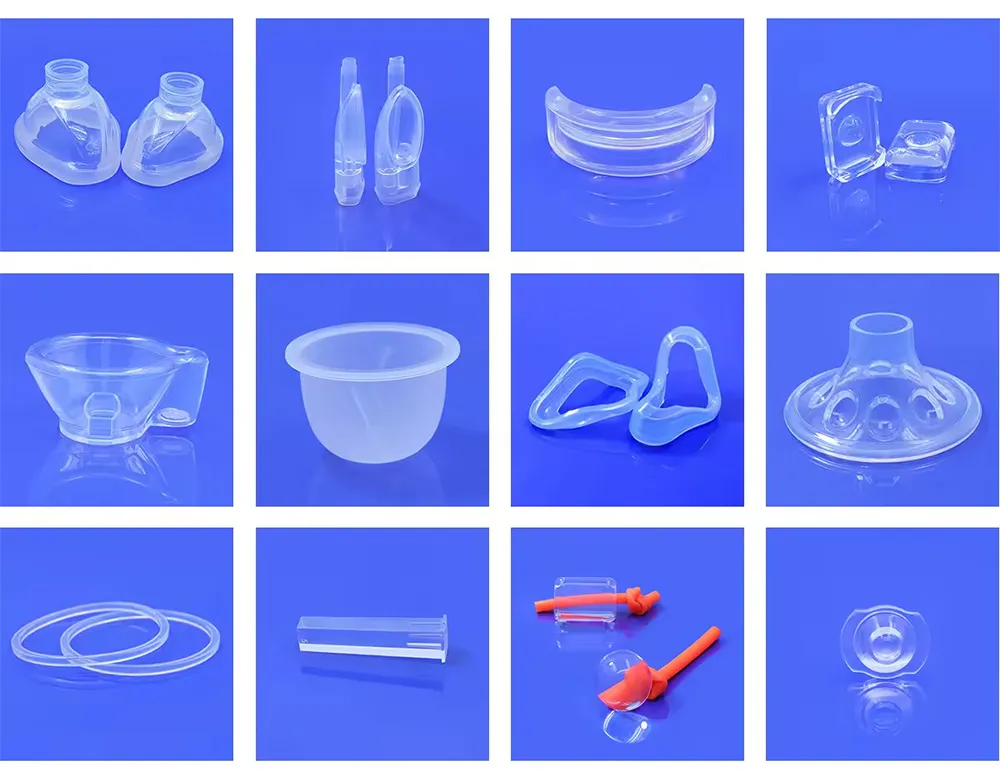
A strong partner should demonstrate disciplined process control, tooling know-how, and documentation habits that match your risk profile, and should be able to discuss failure modes (flash, air traps, cure inhibition) as clearly as advantages; for OEM/ODM support, JESilicone provides liquid silicone rubber injection molding and broader custom silicone parts manufacturing, backed by 20+ years of experience and 10,000+ successful custom cases, with engineering-to-production support to fit defined drawings, material requirements, and compliance documentation needs.The following are part of our successful cases of customized LSR parts.
Looking for LSR injection molding parts? Contact us to get free sample and quotation today.