Silicone Foam Tube: Definition, Uses and Benefits
What is Silicone Foam Tube?
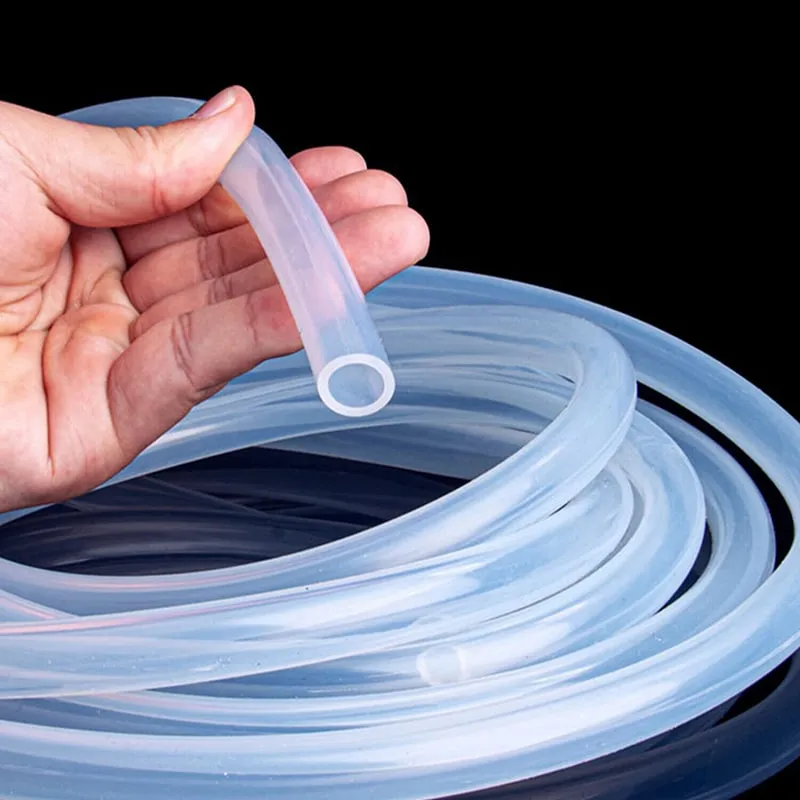
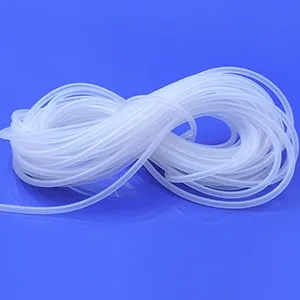
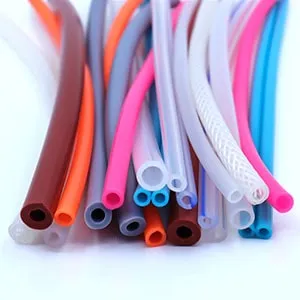
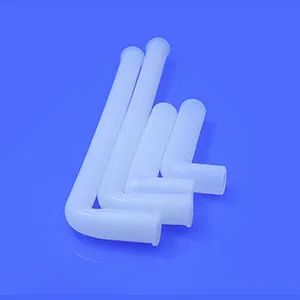
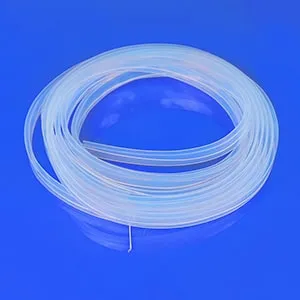
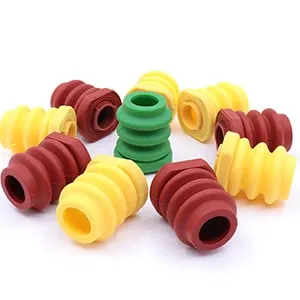
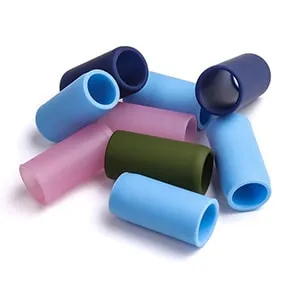
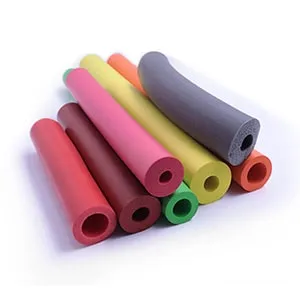
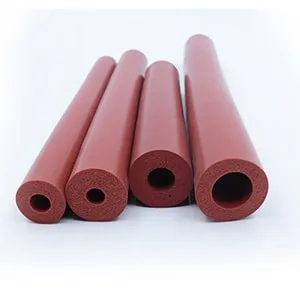
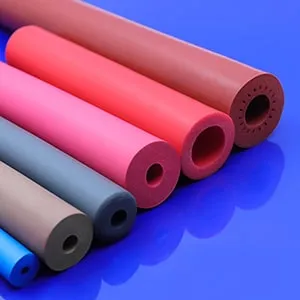
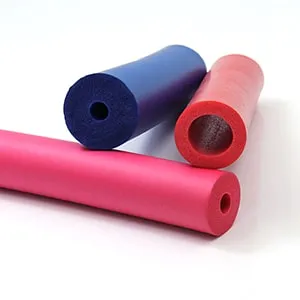
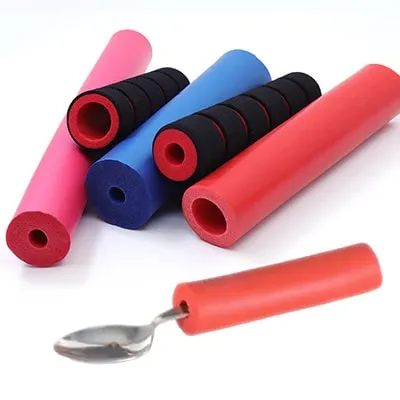
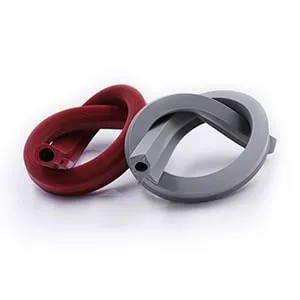
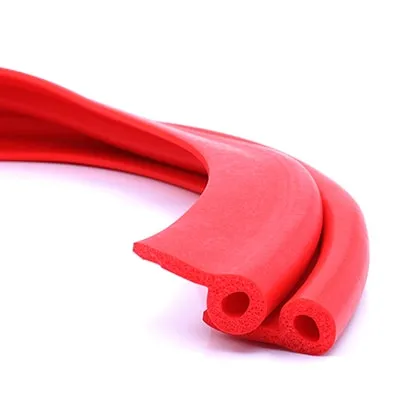
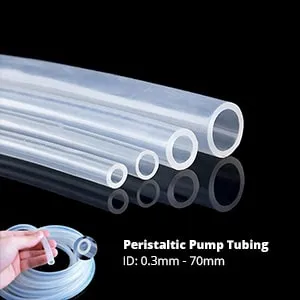
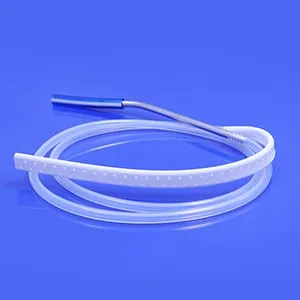
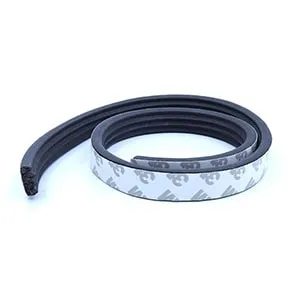
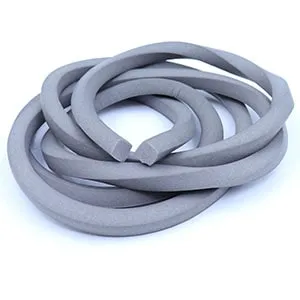
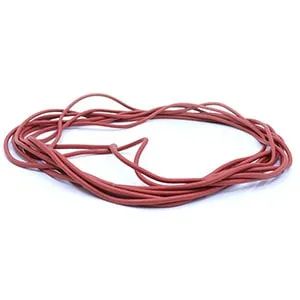
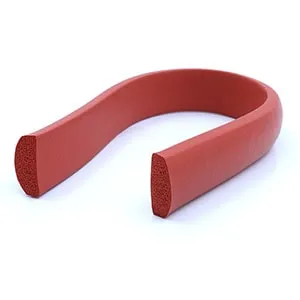
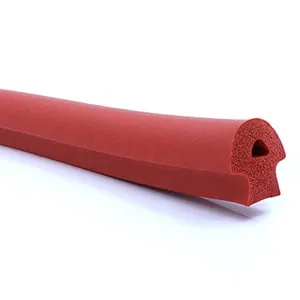
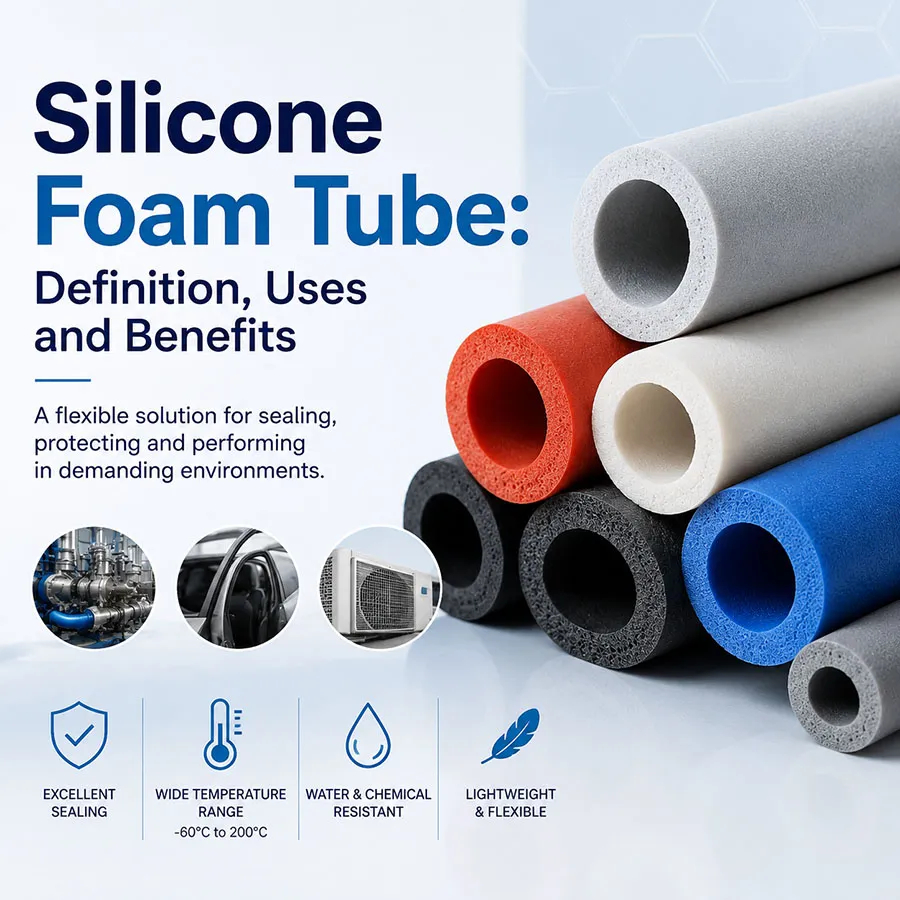
A silicone foam tube is a type of tubing made from silicone foam material. Silicone foam is a lightweight, compressible, and flexible material that has excellent thermal and electrical insulation properties. It is also resistant to water, chemicals, and UV radiation, making it suitable for use in a wide range of applications.
Why Silicone Foam Tubing Is Widely Used in Modern Industries
The global silicone foam market is growing rapidly due to its unmatched performance in extreme conditions. Automotive, electronics, medical, and HVAC industries rely on silicone foam tubes for reliable sealing, thermal management, and durability where conventional foams fail. Their weather, UV, and chemical resistance ensures long service life.
Silicone Foam Tube: Definition and Material Overview
Basic Definition of Silicone Foam Tube
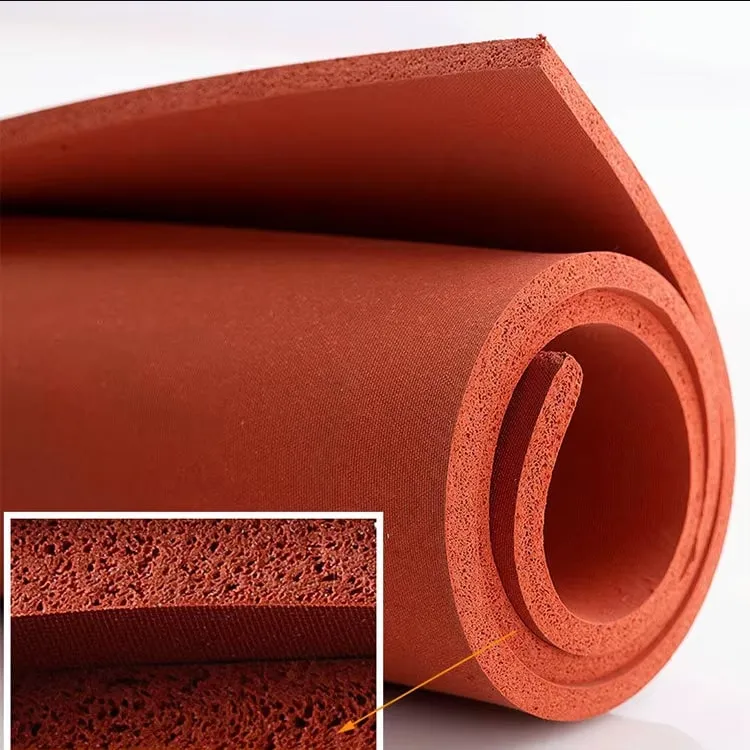
It is a cellular elastomeric tube created by foaming silicone rubber during vulcanization. The process yields uniform microscopic bubbles, reducing density while adding compressibility. Inner diameters range from 2 mm to over 100 mm with tight tolerances.
Key Material Properties
Silicone foam tubes operate from -60°C to 300°C, have tensile strength ≥0.8 MPa, elongation >200%, and density 0.2–1.0 g/cm³. They resist acids, ozone, UV, and many chemicals. They are non‑toxic, hydrophobic, and achieve UL94 V‑0 flame retardancy.
Open-Cell vs. Closed-Cell Structure
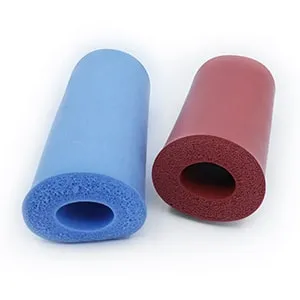
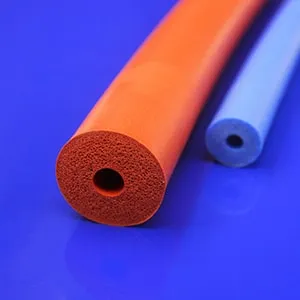
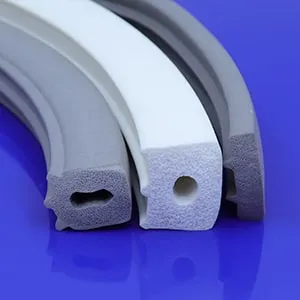
Closed-cell tubes have independent bubbles, offering moisture resistance, low compression set (<5%), and excellent sealing. Open-cell tubes have interconnected pores, providing lower closing force and superior noise/vibration damping. Choose based on sealing vs. acoustic needs.
Key Features and Performance Advantages
High Temperature Resistance
Standard silicone foam tubes work from -40°C to 200°C; specialty grades reach -60°C to 300°C. The foam structure provides low thermal conductivity (~0.035 W/(m·K)) and withstands thermal cycling without cracking.
Excellent Flexibility and Compression Recovery
Compression set is as low as <1% after 22 hours at 100°C, and <15% after 72 hours at 180°C. This ensures seals rebound after years of compression, maintaining effectiveness in dynamic applications.
Strong Weather, UV, and Chemical Resistance
No degradation after 5000+ hours of UV exposure. Resists ozone, acids (pH 2–12), alkalis, fuels, oils, and microbial growth. Ideal for outdoor and harsh chemical environments.
Electrical Insulation and Safety Performance
Dielectric strength >15 kV/mm, volume resistivity >10¹² Ω·cm. UL94 V‑0 flame rating, low smoke, no toxic halogens. Compliant with FDA and USP Class VI for safe contact.
Long Service Life and Durability
Silicone foam tubes last 10–15 years in most applications, outlasting polyurethane, neoprene, and EPDM. Lower total cost of ownership due to reduced replacement and maintenance.
Where Used Silicone Foam Tubes?
Silicone foam tubes are commonly used in industries such as aerospace, automotive, and electronics. They can be used to insulate and protect wires and cables, as well as to provide cushioning and vibration damping in machinery and equipment.
Automotive Industry Applications
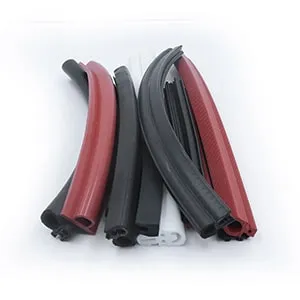
Used for engine compartment seals, battery module cushioning in EVs, high‑voltage cable insulation, and door seals. Reduce vibration noise by 5–10 dB, meet ISO standards, and withstand under‑hood temperatures.
Electronics and Electrical Equipment Protection
Provide thermal insulation, moisture sealing, and shock absorption for circuit boards and outdoor enclosures. Conductive grades offer EMI/RFI shielding. Essential for smartphones, telecom cabinets, and solar inverters.
Medical and Healthcare Usage
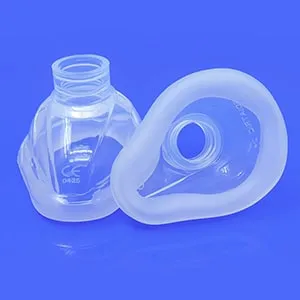
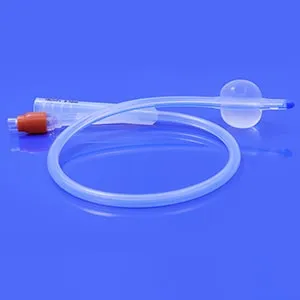
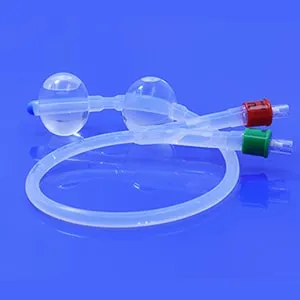
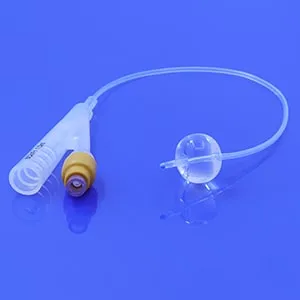
Biocompatible, sterilizable (autoclave, gamma), and non‑cytotoxic. Used in respiratory mask cushions, tracheostomy tube cuffs (e.g., Bivonna™ style), orthopedic supports, and diagnostic equipment.
HVAC and Construction Sealing Systems
Weather seals for doors, windows, curtain walls, and expansion joints. Reduce air leakage and heat loss. Fire‑safe (UL94 V‑0) and flexible at -40°C for refrigeration and cold storage.
Key Benefits of Silicone Foam Tubes
Improved Energy Efficiency and Sealing Performance
Closed‑cell foam has thermal conductivity as low as 0.035 W/(m·K), cutting heat loss. Air‑tight seals prevent energy waste in buildings and HVAC systems, maintaining performance over decades.
Noise and Vibration Reduction
Viscoelastic foam dissipates mechanical energy, reducing NVH by 5–10 dB in vehicles and machinery. Open‑cell versions provide acoustic absorption for quieter equipment.
Cost-Effective Long-Term Solution
Higher initial cost is offset by longer life (3–5x vs. conventional foams), lower energy bills, and fewer service calls. Total cost of ownership is significantly lower.
Eco-Friendly and Safe Material Choice
No toxic isocyanates, phthalates, or halogens. Recyclable, RoHS/REACH compliant, and safe for food and medical contact. Long life reduces waste.
How to Choose the Right Silicone Foam Tube
Temperature and Environmental Conditions
Specify continuous and peak temperatures. Choose high‑temperature formulations for >200°C or cryogenic grades for below -40°C. Verify chemical compatibility with service fluids.
Density and Size Requirements
Low density (0.2–0.4 g/cm³) for soft, low‑force seals; medium (0.5–0.7) for balanced performance; high (0.8–1.0) for heavy duty. Specify ID, OD, wall thickness, and tolerances (standard ±0.05 mm).
Industry Standards and Application Needs
Medical: FDA, USP VI, ISO 10993. Food: FDA, LFGB. Electrical: UL94 V‑0. Transportation: FAR 25.853, NFPA 130. Always confirm required certifications.
Working with a Reliable Manufacturer like JESilicone
JESilicone provides custom silicone foam tubes with 20 years of expertise, full certifications, and 60 tons monthly capacity. They offer one‑stop service from formulation to global delivery, ensuring quality and compliance.
Conclusion
Silicone foam tubes deliver exceptional temperature range, compression recovery, chemical resistance, electrical safety, and durability. No other foam material matches this combination.
They enable reliable EV battery sealing, accurate medical devices, energy‑efficient buildings, and robust electronics. As technology advances, their importance will only grow.
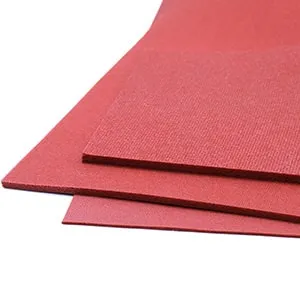
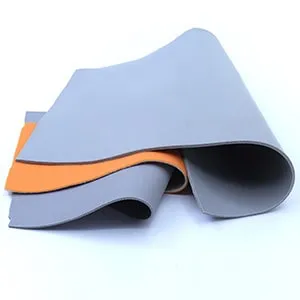
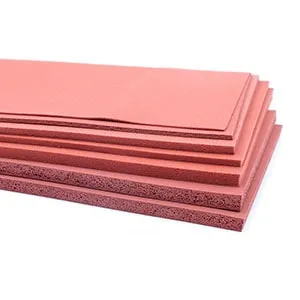
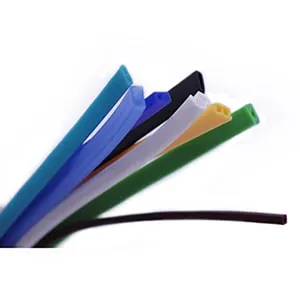
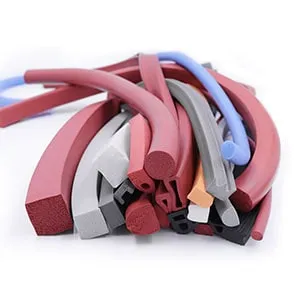
For high‑quality, certified, custom‑engineered silicone foam tubes, JESilicone is the partner of choice. Contact them to solve your sealing, insulation, and cushioning challenges reliably and cost‑effectively. We can supply a wide range of standard and custom silicone foam products, includes silicone foam tubes, silicone foam strips and slicone foam sheets. Find out more with silicone foam tubing products